Fresh pasta tastes better than anything from a box. It feels softer, cooks faster and holds sauce beautifully. But the flour you pick can make or break your noodles.
Many beginners grab whatever sits in the pantry. Then they wonder why the dough tears or tastes dull. This guide explains the best flour for making homemade pasta in plain words.
You will learn how each flour behaves and which one fits your recipe. You will also get tips to avoid common mistakes.
Why Flour Matters So Much in Pasta
Pasta dough has only two main parts: flour and eggs. Some recipes add water or olive oil. With so few ingredients, the flour does most of the work.
Flour contains protein. When you mix it with liquid and knead it, that protein forms gluten. Gluten gives pasta its stretch and chew.
Too little gluten makes dough that tears and falls apart. Too much gluten makes dough that fights back and shrinks. Good pasta sits in the middle.
Grind size matters too. Finely milled flour makes smooth, silky dough. Coarser flour makes a rougher, firmer noodle that grabs sauce well.
What Is the Best Flour for Making Homemade Pasta?
The short answer is Italian “00” flour or semolina flour. Most Italian cooks use one of these two, or a mix of both.
Type 00 flour gives soft, tender noodles. Semolina gives firm noodles with a bite. Your pasta shape and your taste decide which one wins.
If you want one safe choice, pick a blend of 00 flour and semolina. This mix gives you stretch, strength and a good texture. It also works for most shapes.
You can still make good pasta with all-purpose flour. It costs less and sits in most kitchens. The results are slightly softer, but plenty of cooks love them.
Flour Comparison at a Glance
This table shows how each common flour performs. Protein numbers are typical ranges and vary by brand.
| Flour Type | Texture of Pasta | Best For |
|---|---|---|
| “00” Flour | Silky, tender | Tagliatelle, ravioli, fettuccine |
| Semolina | Firm, chewy | Orecchiette, cavatelli, shaped pasta |
| All-Purpose | Soft, mild chew | Beginners, everyday noodles |
| Bread Flour | Very chewy | Thick, sturdy shapes |
| Whole Wheat | Nutty, dense | Hearty, rustic noodles |
Use this chart as a starting point. Then test a few flours and trust your own taste.
Type 00 Flour: The Silky Choice
“00” is an Italian grading system. It tells you how fine the flour is ground, not how much protein it has. Type 00 is the finest grade.
This flour feels like powder when you rub it between your fingers. It makes dough that is smooth and easy to roll thin. Many chefs use it for filled pasta like ravioli.
The finished noodles taste delicate and soft. They cook in just two or three minutes. Sauces cling to them nicely.
Look for 00 flour labeled “pasta flour” or “pasta fresca.” Bakers sometimes sell 00 flour for pizza, which has more protein and less ideal for noodles. Always read the label.
Semolina Flour: The Firm and Golden Choice
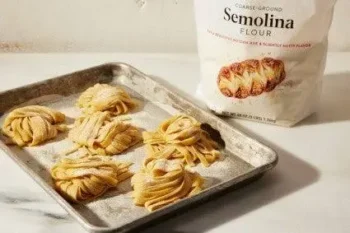
Semolina comes from durum wheat, a very hard wheat. Millers grind it into a golden, slightly gritty flour. It carries more protein than most regular flours.
Dried pasta from Italy uses semolina almost every time. It gives noodles a firm bite that Italians call “al dente.” The color looks rich and yellow.
Semolina dough feels stiffer and takes more effort to knead. It also needs a longer rest. In return, you get noodles that hold their shape well.
Look for semola rimacinata, which means “re-milled semolina.” This version is ground twice and feels much finer. It works far better for homemade pasta than coarse semolina.
All-Purpose Flour: The Easy Starter
All-purpose flour is the most budget-friendly option. You can find it in every grocery store. For first-time pasta makers, it removes any shopping stress.
The dough comes together easily and rolls out without much fuss. Your noodles will taste softer than those made with semolina. They also lack the golden color.
You can improve all-purpose pasta with a small trick. Add an extra egg yolk to the dough. The yolk adds richness, color and a better chew.
Many home cooks make wonderful pasta with this flour alone. Do not let anyone tell you that you need fancy ingredients to start.
Bread Flour, Whole Wheat and Other Options
Bread flour has high protein, so it builds strong gluten. Pasta made with it turns out chewy and springy. The dough can feel tough, so let it rest longer.
Whole wheat flour adds a nutty taste and extra fiber. It absorbs more water than white flour. Mix half whole wheat with half 00 flour for a gentler texture.
You can also try spelt, buckwheat, or chickpea flour. These flours bring unique flavors. Buckwheat, for example, makes the famous pizzoccheri noodles from northern Italy.
Start with small batches when you test new flours. Replace about one quarter of your regular flour first. Then add more as you learn how the dough behaves.
Gluten-Free Flour for Pasta
Gluten-free pasta needs a different approach. Without gluten, the dough has no natural stretch. You need a binder to hold it together.
A good gluten-free pasta flour blend often includes rice flour, tapioca and xanthan gum. Many brands sell a ready-made mix for pasta. These mixes save you from guessing the ratios.
Handle gluten-free dough gently. It cracks easily and dries out fast. Keep it covered while you work.
The Best Flour Mix Ratios to Try
Blending flours lets you control texture. Here are three simple combinations that work well.
| Blend | Ratio | Result |
|---|---|---|
| Classic Silky | 100% “00” flour | Soft, delicate noodles |
| Balanced Favorite | 50% “00” + 50% semolina | Smooth with a firm bite |
| Rustic Chew | 70% semolina + 30% “00” | Sturdy, golden noodles |
The balanced blend is a great place to begin. It feels forgiving and delivers great flavor. Most cooks never need another recipe.
Simple Dough Formula to Start With
A good starting ratio is 100 grams of flour for every 1 large egg. For two people, use 200 grams of flour and 2 eggs. Add a pinch of salt.
Pour the flour onto a clean counter and make a well in the middle. Crack the eggs inside the well. Beat them gently with a fork, then pull in the flour little by little.
Knead the dough for eight to ten minutes. It should feel smooth and slightly firm. If it feels dry, add a few drops of water. If it feels sticky, dust it with flour.
Tips for Getting the Best Results
Resting the dough is the most important step people skip. Wrap it in plastic and let it sit for 30 minutes. This pause relaxes the gluten and makes rolling easy.
Weigh your flour with a kitchen scale. Cups can vary by 20 percent or more. A scale gives you the same result every time.
Roll your dough thin enough to see your hand through it. Thin sheets cook evenly and taste lighter. Dust the sheet with semolina to stop sticking.
Cook fresh pasta in a large pot of well-salted water. It needs only two to four minutes. Taste a piece early, because overcooked fresh pasta turns mushy fast.
Common Mistakes to Avoid
Using the wrong flour is mistake number one. A high-protein bread flour can make rubbery noodles. Always match the flour to your pasta shape.
Skipping the rest time comes next. Tight dough springs back and will not roll flat. Patience fixes this problem.
Adding too much flour while rolling also hurts your pasta. Extra flour dries the dough and makes it crack. Use only a light dusting.
Finally, many people store dough badly. Air dries it out within minutes. Keep it wrapped until the second you need it.
How to Store Flour and Fresh Pasta
Store flour in an airtight container in a cool, dry place. Whole wheat flour spoils faster because of its natural oils. Keep it in the fridge or freezer for longer life.
Fresh pasta lasts about two days in the fridge. For longer storage, freeze the noodles in small nests. Cook them straight from the freezer and add one extra minute.
Frequently Asked Questions
What is the best flour for making homemade pasta for beginners?
All-purpose flour works well for beginners because it is cheap and easy to find. Once you feel comfortable, try a mix of 00 flour and semolina. This blend gives better texture and flavor.
Can I use all-purpose flour instead of 00 flour?
Yes, you can swap them one to one. The noodles will taste a little softer and less silky. Adding an extra egg yolk helps close the gap.
Is semolina or 00 flour better for pasta?
Neither is better in every case. Semolina makes firm, chewy noodles, while 00 flour makes tender, silky ones. Many chefs combine them for balance.
Why does my homemade pasta feel tough?
Tough pasta usually means the dough did not rest long enough. High-protein flour can also cause this problem. Rest the dough for at least 30 minutes and roll it thinner.
How much flour do I need per person?
Plan on 75 to 100 grams of flour per person for a main dish. Use about 50 grams for a starter portion. One large egg pairs with every 100 grams of flour.
Do I need a pasta machine?
No, a rolling pin and a sharp knife work fine. A machine saves time and gives even sheets. It is a nice upgrade, not a requirement.
Conclusion
Great noodles start with the right flour. Now you know the best flour for making homemade pasta depends on the texture you love. Use 00 flour for silky pasta, semolina for firm pasta and a blend for balance.
Start with small batches and take notes. Change one thing at a time, such as the flour type or the rest time. Soon you will find your own perfect recipe.