Every home holds hundreds of items. You use most of them daily without a second thought.
Are you looking for clear examples of household goods? This guide lists them room by room and explains how they differ from other property. It also shows why the topic matters when you move or buy insurance.
What Are Household Goods?
Household goods are items you own and use inside your home. They make daily life comfortable, clean and safe.
Experts sort them into furniture, appliances, kitchenware, linens and personal items. Moving companies and insurers use almost the same list.
The term covers things you keep for family use. It does not cover items you buy to sell or use only for business.
Why Knowing Your Household Goods Matters
Most people never list their belongings until something goes wrong. A fire, a flood, or a big move changes that quickly.
A clear list helps you in several ways:
- Moving: You can get a fair quote and pack faster.
- Insurance: You can prove what you lost and claim the right amount.
- Budgeting: You can see what you own and avoid buying duplicates.
- Decluttering: You can spot items you no longer need.
Knowing your goods also protects you from surprises. Movers and insurers often ask for a full inventory.
Common Examples of Household Goods by Category
Household items fall into clear groups. Each group below covers a part of your home.
Furniture
Furniture is the largest and heaviest group. It fills every room and sets the style of your home.
Sofas, dining tables, chairs, beds, wardrobes, bookshelves and desks all count. Outdoor furniture, such as patio sets, also counts when you use it at home.
Kitchen Items and Cookware
The kitchen holds more small items than any other room. Most people own dozens of tools and dishes.
Pots, pans, plates, bowls, cups, cutlery and cutting boards are common. Knives, baking trays, food containers and water bottles belong here too.
Major and Small Appliances
Appliances save time and effort every day. They run on electricity, gas or batteries.
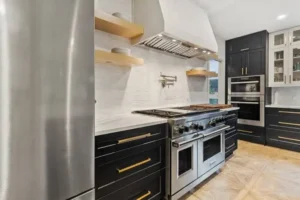
Large ones include refrigerators, washing machines, dryers, ovens and dishwashers. Small ones include toasters, kettles, blenders, microwaves and air fryers.
Bedroom Items and Linens
Linens keep you warm and help you sleep well. They also add color and comfort to your room.
Mattresses, pillows, blankets, bed sheets and comforters are standard. Curtains, towels and rugs also fit this group.
Bathroom Goods
The bathroom needs items for hygiene and storage. Many of these are small but used daily.
Think of towels, shower curtains, soap dispensers, toothbrush holders and bath mats. Laundry baskets and mirrors also belong here.
Cleaning Supplies
Cleaning tools keep your home fresh and safe. Most families buy them again and again.
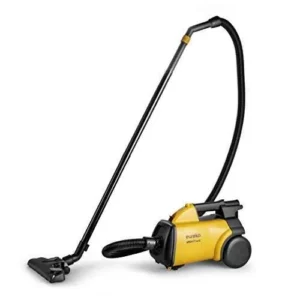
Brooms, mops, buckets, vacuum cleaners, sponges and detergents are typical. Trash bins and bags also count.
Electronics and Entertainment
Electronics connect you to news, work and fun. They are often the most valuable small items in a home.
Televisions, laptops, tablets, speakers, game consoles and routers fit here. Phone chargers and lamps belong to this group as well.
Decor and Personal Items
Decor makes a house feel like home. These items often hold emotional value.
Picture frames, paintings, vases, clocks, candles and books are common. Toys, board games and musical instruments also count.
Tools and Garden Equipment
Tools help you fix and improve your home. Garden items help you care for your yard.
Hammers, screwdrivers, drills, ladders and toolboxes are useful examples. Lawn mowers, hoses and plant pots count too.
Household Goods Quick Reference Table
A table makes the groups easier to compare. This one shows typical items by room.
| Room | Typical Household Goods |
|---|---|
| Living room | Sofa, TV, coffee table, lamps, rugs |
| Kitchen | Pots, plates, microwave, kettle, cutlery |
| Bedroom | Bed, mattress, wardrobe, pillows, curtains |
| Bathroom | Towels, mirror, bath mat, laundry basket |
| Dining room | Dining table, chairs, cabinet, tableware |
| Garage or shed | Tools, ladder, bicycle, storage boxes |
| Garden | Lawn mower, hose, outdoor chairs, plant pots |
Use this table as a starting point for your own list. Add items that are unique to your family.
Household Goods vs. Personal Effects
People often mix up these two terms. Both describe things you own, but they differ in use.
Household goods stay in the home and serve the whole family. Personal effects belong to one person and travel with them.
Clothing, jewelry, watches, wallets and handbags are personal effects. Some moving contracts and insurance policies treat the two groups differently, so always read the fine print.
Items That Are Not Household Goods
Some items look like household goods but fall into other groups. Knowing the difference saves you trouble later.
| Item Type | Why It Is Different |
|---|---|
| Cars and motorbikes | Vehicles fall under auto insurance and transport rules |
| Cash and bank cards | Financial items, not home contents |
| Business stock | Items you plan to sell are commercial goods |
| Pets and live plants | Living things need special transport and care |
| Hazardous materials | Gas cans, paint and chemicals have strict rules |
Moving companies often refuse hazardous items. Plan ahead and ask your mover for a full list.
Household Goods in Moving and Shipping
Moving is where this topic matters most. Movers charge by weight, volume, or item count, so a clear list helps you plan.
Here are a few more examples of household goods that movers handle every day: sofas, beds, boxes of books, kitchen sets and standard appliances. Movers also move fragile items such as mirrors and glassware, often at a higher rate.
Before moving day, count your items and note their condition. Take photos of valuable pieces so you can prove damage if it happens.
You should also label every box by room. This step makes unpacking much faster.
Household Goods and Insurance
Home contents insurance protects what you own inside your house. It pays when theft, fire, or water damage destroys your things.
Insurers need proof of what you owned. A written list with prices and photos makes a claim smoother.
Many policies set a limit for high-value items. Jewelry, art and expensive electronics may need extra cover.
This is another place where a good list of examples of household goods pays off. Check your policy once a year and update it when you buy big items.
How to Make a Household Inventory
An inventory sounds hard, but you can finish it in an afternoon. Follow these simple steps.
- Walk through each room with your phone or a notebook.
- Record every item, its brand and its approximate value.
- Take clear photos or short videos of each area.
- Save copies online and keep one outside your home.
- Update the list whenever you buy or sell something big.
Many free apps can help you build the list. A simple spreadsheet works just as well.
Smart Tips for Buying and Caring for Household Goods
Good habits make your belongings last longer. They also save money over time.
Buy quality for items you use daily, such as mattresses, pans and shoes. Choose cheaper options for things you rarely use.
Clean appliances on a regular schedule. A well-kept washer or fridge can last a decade or more.
Read warranty terms before you buy. Keep receipts for expensive items in one folder.
Eco-Friendly Choices for Your Home
Many families now choose greener household items. These options reduce waste and often save money.
Reusable bags, glass containers and LED bulbs are popular picks. Energy-efficient appliances cut your power bills year after year.
You can also donate or recycle old goods. Charities often accept working furniture, clothes and kitchen items.
Conclusion
Household goods include everything that makes a home work. They range from big sofas and fridges to small spoons and picture frames.
Now you have clear examples of household goods for every room, plus tips for moving and insurance. Start a simple list today and update it as your home changes.
Frequently Asked Questions
What are the most common household goods?
The most common ones are furniture, kitchenware, appliances, linens and electronics. Almost every home owns items from each group.
What are the best examples of household goods for kids to learn?
Simple items work best, such as a bed, a table, a cup, a spoon and a towel. Kids see these things every day, so they remember them easily.
Are clothes considered household goods?
Clothes are usually personal effects, not household goods. Some movers and insurers group them together, so check your contract.
Is a car a household good?
No. A car is a vehicle and falls under different rules for shipping and insurance.
How do I list household goods for moving?
Go room by room and write down each item and its condition. Add photos and rough values, then share the list with your mover.
Are household goods and household items the same thing?
Yes, people use the terms in nearly the same way. “Household goods” is more common in legal, moving and insurance papers.