
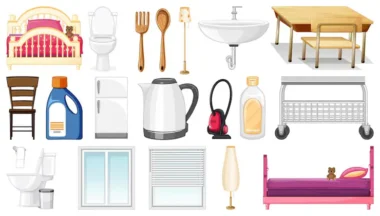
Domestic goods are products made, produced, or supplied for use within a home or within a particular country. The meaning can change with context because “domestic” can describe goods used in homes or products made inside a country.
In everyday shopping, people often connect domestic goods with household products, appliances, kitchen items, furniture, cleaning supplies and other products used at home. These goods make daily tasks easier and help families manage cooking, cleaning, storage, comfort and personal needs.
What Are Domestic Goods?
The term domestic goods has two common meanings. In a household context, it describes products intended for use in and around the home, while in trade, it can describe products produced within a country.
For example, a refrigerator, vacuum cleaner, frying pan, bed, towel or cleaning product can fall into the household category. In international trade, however, a product may qualify as domestic when it is grown, produced or manufactured within the country under the applicable rules.
This difference matters because shoppers, businesses, economists and government agencies can use the same term in different ways. Understanding the context helps you identify what a person means when they discuss domestic products.
Domestic Goods Meaning in Simple Words
In simple terms, domestic goods are products connected with home use or products made within a country. The exact meaning depends on whether the conversation focuses on households, retail, manufacturing, or international trade.
Cambridge defines household goods as equipment, tools, machines and other things used in a house. Collins also describes household goods as products used in and around the home, including cleaning products.
This broad meaning covers many products that people use every day. It can include small kitchen tools, major appliances, furniture, cleaning supplies, home electronics and other household essentials.
Types of Domestic Goods
Different products serve different purposes inside a home. Some products help with daily chores, while others provide comfort, storage, cooking support or entertainment.
| Category | Common Examples | Main Purpose |
|---|---|---|
| Kitchen goods | Cookware, utensils, storage containers | Cooking and food storage |
| Cleaning goods | Mops, brushes, cleaners | Home cleaning |
| Appliances | Refrigerators, washers, ovens | Household tasks |
| Furniture | Beds, tables, chairs | Comfort and daily use |
| Home electronics | TVs, speakers, smart devices | Entertainment and convenience |
| Bathroom goods | Towels, organizers, accessories | Personal and household use |
| Storage goods | Shelves, bins, cabinets | Organization |
| Textile goods | Curtains, bedding, rugs | Comfort and decoration |
These categories can overlap because one product may serve several household needs. For example, a smart refrigerator provides food storage while also offering modern technology features.
Kitchen Domestic Goods
The kitchen contains many products that people use every day. These items range from simple utensils to advanced appliances.
Common kitchen products include pots, pans, knives, cutting boards, measuring cups, food containers, blenders, microwaves, ovens and refrigerators. Each product can save time or make cooking and food preparation easier.
Good kitchen products should match the household’s cooking habits and available space. Buyers should also consider durability, cleaning requirements, energy use, safety features and price before making a purchase.
Cleaning Domestic Goods
Cleaning products help households maintain a cleaner and more comfortable living environment. This category includes items such as brooms, mops, vacuum cleaners, microfiber cloths, brushes, buckets and cleaning solutions.
A household does not need every cleaning tool available on the market. Choosing the right tools for floors, kitchens, bathrooms, furniture and windows can make cleaning faster and more effective.
Some cleaning products also require careful handling. Always read the product label and follow the manufacturer’s instructions, especially when using chemical cleaners.
Appliances as Domestic Goods
Home appliances form an important part of household product spending. Refrigerators, washing machines, dryers, dishwashers, ovens, air conditioners and vacuum cleaners can perform tasks that once required much more manual effort.
These appliances can also affect household energy consumption. Buyers should compare useful features, expected lifespan, maintenance needs, energy performance and purchase price instead of choosing a product based only on its appearance.
For larger appliances, installation and repair support can also influence the total cost. A lower purchase price may not always mean lower ownership costs if the product needs frequent service or expensive replacement parts.
Durable and Non-Durable Domestic Goods
Household products can also differ based on how long they last. Durable goods generally remain useful for a longer period, while non-durable goods get consumed or replaced more quickly.
For example, furniture, kitchen equipment, televisions and many appliances can fall into the durable category. Food, fuel, some cleaning supplies and other regularly consumed products usually have shorter useful lives.
Pakistan’s household expenditure definitions provide a similar distinction, describing durable goods as items with a life expectancy of one year or more and non-durable goods as items with a life expectancy of less than one year.
| Type | Examples | Replacement Pattern |
|---|---|---|
| Durable goods | Furniture, appliances, kitchen utensils | Less frequent |
| Non-durable goods | Food, fuel, some cleaning products | More frequent |
| Semi-durable items | Clothing, some household textiles | Occasional |
This classification helps businesses and researchers understand household spending patterns. It can also help shoppers think about long-term value when comparing products.
Domestic Goods vs Consumer Goods
The terms domestic goods and consumer goods can sound similar, but they do not always mean the same thing. Consumer goods are products purchased for personal or household use rather than for producing other goods.
Consumer goods can include food, clothing, entertainment products and appliances. Domestic goods can focus more specifically on household use or products produced within a particular country, depending on the context.
| Term | Basic Meaning | Example |
|---|---|---|
| Domestic goods | Home-related or locally produced goods | Refrigerator or locally made furniture |
| Consumer goods | Products bought for personal use | Clothing or television |
| Capital goods | Products used to produce other goods | Industrial machinery |
| Household goods | Products used in the home | Kitchenware or vacuum cleaner |
The key difference comes from how the term classifies the product. “Consumer” focuses on who uses the product, while “domestic” can focus on home use or the country where the product was produced.
Why Are Domestic Goods Important?
Domestic products play a major role in everyday life because homes depend on many physical products. People use them to cook meals, clean rooms, wash clothes, store food, organize belongings and create comfortable living spaces.
The broader household goods category also has economic importance. Consumer goods represent products purchased for personal and household use, making household spending an important part of economic activity.
When people buy locally produced products, they can also support local manufacturers, workers, suppliers, retailers and service providers. The exact economic effect depends on the product, supply chain, country and purchasing conditions.
How to Choose Quality Domestic Goods
Choosing household products requires more than checking the price tag. A product that costs less initially may become expensive if it breaks quickly or requires frequent replacement.
Start by identifying the actual need. Then compare quality, materials, size, performance, safety, warranty, maintenance and long-term value before buying.
For appliances, check energy consumption and repair support. For cookware and utensils, consider materials and durability, while cleaning products should match the surface and cleaning task.
Factors That Affect the Price of Domestic Goods
Several factors influence the final price of household products. Materials, manufacturing costs, transportation, brand reputation, technology, demand, taxes and retail margins can all affect what shoppers pay.
Imported products may also experience additional costs related to shipping, currency changes, duties, or supply-chain conditions. Locally manufactured products can have different cost structures based on domestic materials and production capacity.
Price alone does not always show product quality. A good buying decision compares the total value of a product with its expected use and lifespan.
Domestic Goods and Local Manufacturing
Local manufacturing can create products specifically suited to the needs of a country’s consumers. Manufacturers may consider local climate, cooking habits, housing styles, energy availability and common household routines.
Local production can also shorten parts of the supply chain in some cases. However, the benefits vary by industry because manufacturers may still depend on imported raw materials, components, machinery or technology.
For consumers, locally made products can provide another option when comparing price, quality, availability and after-sales service. Buyers should still evaluate each product on its own merits.
How Technology Is Changing Domestic Goods
Technology has changed the way people use many household products. Modern appliances can include digital controls, sensors, automation, connectivity and energy-saving features.
Smart home products can connect different devices and allow users to control certain functions through apps or other systems. These features can add convenience, but they may also increase product complexity.
A smart feature is useful when it solves a real problem. Consumers should avoid paying extra for technology they will rarely use.
Sustainable Domestic Goods
Sustainability has become an important consideration when people buy household products. Consumers can reduce waste by choosing durable products, repairing usable items, reusing materials and replacing products only when necessary.
Energy-efficient appliances can also help reduce energy use during operation. Product durability matters because a longer-lasting item may reduce the need for repeated purchases and disposal.
Responsible shopping does not mean buying the most expensive product. It means considering product lifespan, repairability, resource use, packaging and actual household needs.
Domestic Goods for a New Home
Moving into a new home can make the number of required household products seem overwhelming. A better approach starts with essential items and adds optional products over time.
Kitchen basics, cleaning tools, bedding, storage products, bathroom supplies and essential appliances usually receive priority. Decorative products and advanced gadgets can come later.
Creating a simple shopping plan can prevent unnecessary spending. It also helps households identify which products they already own before buying replacements.
Domestic Goods and Online Shopping
Online shopping has made it easier to compare household products from different sellers. Buyers can review specifications, prices, customer feedback, delivery options, warranties and return policies before purchasing.
However, online listings may not always provide enough information. Check the manufacturer’s specifications and seller details before buying expensive appliances or electronic products.
For large products, also check dimensions and installation requirements. A product can look suitable online but fail to fit the available space at home.
Frequently Asked Questions
What are domestic goods?
Domestic goods can refer to products used in homes or products produced within a particular country. The meaning depends on the context in which the term appears.
What are examples of domestic goods?
Examples include furniture, kitchenware, cleaning tools, appliances, bedding, storage products and household electronics. In trade, the term can refer to goods produced domestically under applicable regulations.
Are domestic goods the same as household goods?
They can overlap, but they are not always identical. Household goods mainly describe products used in the home, while domestic goods can also describe products produced within a country.
Are appliances considered domestic goods?
Yes, appliances can be considered household or domestic products when they serve home needs. Refrigerators, washing machines, ovens, dishwashers and vacuum cleaners are common examples.
What is the difference between durable and non-durable goods?
Durable goods generally last for a longer period, while non-durable goods are consumed or replaced more quickly. Furniture and appliances are common durable examples, while food and fuel are common non-durable examples.
Why should I compare domestic goods before buying?
Comparing products helps you evaluate price, quality, durability, features, safety and long-term value. This approach can help prevent unnecessary purchases and reduce replacement costs.
Conclusion
Understanding domestic goods becomes easier when you look at the context. In household discussions, the term connects with products that support everyday home life, while trade regulations can use it to describe goods produced or substantially transformed within a country.
From kitchen utensils and cleaning tools to furniture and major appliances, household products affect how comfortably and efficiently people manage their homes. Smart shopping means focusing on quality, usefulness, durability, safety, maintenance and total value instead of choosing products based only on price.


