
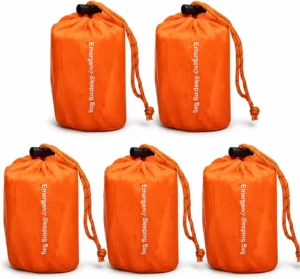
Sleeping Bag Emergency – Why Every Family Should Be Prepared
A sleeping bag emergency plan can save lives when unexpected situations happen. Natural disasters, power outages, road accidents and outdoor emergencies often leave people without heat or shelter.
A quality sleeping bag helps your body stay warm by trapping heat. It also protects against cold temperatures, making it one of the most valuable emergency survival tools.
What Is a Sleeping Bag Emergency?
A sleeping bag emergency refers to any situation where a sleeping bag becomes essential for survival and comfort. It may happen during earthquakes, floods, snowstorms, hurricanes, camping accidents or vehicle breakdowns.
Emergency experts recommend keeping a sleeping bag in your emergency kit because weather conditions can change quickly. A sleeping bag offers insulation even when heating systems fail.
Why Sleeping Bags Are Important During Emergencies
A sleeping bag is much more than camping equipment. It helps reduce heat loss, lowers the risk of hypothermia and provides comfort during stressful situations.
People often underestimate how quickly cold temperatures affect the human body. Even cool nights can become dangerous without proper insulation.
Main Benefits
| Benefit | Why It Matters |
|---|---|
| Heat Retention | Keeps body temperature stable |
| Portable | Easy to carry anywhere |
| Weather Protection | Shields from cold air and wind |
| Comfortable Rest | Helps improve sleep during emergencies |
| Energy Saving | Prevents excessive body heat loss |
Types of Emergencies Where a Sleeping Bag Helps
Different emergencies require different survival equipment. A sleeping bag fits into almost every emergency preparedness plan.
Natural Disasters
Earthquakes, floods, hurricanes, tornadoes and winter storms may force families to leave their homes. Emergency shelters sometimes become crowded, making personal sleeping bags extremely useful.
Power Outages
Long-term power failures often happen during severe weather. Without electricity, indoor temperatures drop quickly, especially during winter.
Car Breakdowns
A vehicle may become stranded because of snow, ice, or mechanical problems. A sleeping bag helps drivers and passengers stay warm while waiting for rescue.
Outdoor Survival
Campers, hikers and hunters may become lost or injured. A sleeping bag provides insulation throughout the night until help arrives.
Choosing the Best Sleeping Bag for Emergency Use
Not every sleeping bag performs the same. Choosing the right one depends on weather conditions, portability and insulation.
| Feature | Recommendation |
|---|---|
| Temperature Rating | Choose lower than expected weather |
| Weight | Lightweight for portability |
| Material | Water-resistant outer shell |
| Insulation | Synthetic for wet climates |
| Size | Fits your body comfortably |
| Compression Sack | Saves storage space |
Synthetic insulation works well during emergencies because it keeps insulating even when damp.
Sleeping Bag Temperature Ratings Explained
Temperature ratings help buyers understand the lowest recommended temperature for safe use. These ratings should never replace common sense or proper clothing.
| Rating | Best Use |
|---|---|
| 50°F (10°C) | Summer camping |
| 32°F (0°C) | Spring and fall |
| 20°F (-7°C) | Cold weather |
| 0°F (-18°C) | Winter emergencies |
| Below 0°F | Extreme survival conditions |
Always wear dry clothing inside your sleeping bag for better warmth.
Essential Features for an Emergency Sleeping Bag
Modern sleeping bags include features that improve comfort and safety. These features become especially valuable during survival situations.
Look for adjustable hoods, draft collars, quality zippers, water-resistant shells and compression storage bags. These small details greatly improve overall performance.
Emergency Sleeping Bags vs Regular Sleeping Bags
Emergency sleeping bags are lightweight and designed for survival. Traditional sleeping bags focus more on comfort during camping.
| Emergency Sleeping Bag | Regular Sleeping Bag |
|---|---|
| Very lightweight | Heavier |
| Compact storage | Larger packed size |
| Reflects body heat | Uses insulation only |
| Short-term survival | Long-term comfort |
| Affordable | Higher cost |
Many families keep both types for different situations.
How to Stay Warm Inside a Sleeping Bag
Your sleeping bag works best when used correctly. Small mistakes can reduce its ability to retain heat. Wear dry clothing before entering the bag. Use a sleeping pad underneath because cold ground removes body heat quickly. Avoid breathing inside the sleeping bag because moisture reduces insulation over time. Tighten the hood around your head to keep warm air inside.
Common Mistakes People Make
Many people lose warmth because they use sleeping bags incorrectly. Some wear too many thick clothes, which reduce insulation efficiency. Others sleep directly on cold ground without using a sleeping pad. Wet clothing also reduces body warmth quickly. Always change into dry clothes whenever possible.
Emergency Sleeping Bag Checklist
Preparing ahead saves valuable time during emergencies.
| Item | Purpose |
|---|---|
| Sleeping Bag | Warmth |
| Sleeping Pad | Ground insulation |
| Emergency Blanket | Extra heat reflection |
| Flashlight | Visibility |
| Water Bottle | Hydration |
| First Aid Kit | Medical care |
| Extra Clothing | Dry replacement |
| Power Bank | Phone charging |
Store these items together inside your emergency preparedness kit.
How to Store Your Emergency Sleeping Bag
Proper storage keeps your sleeping bag ready for years. Store it in a cool and dry place away from sunlight. Avoid long-term compression because insulation may lose its loft. Clean the sleeping bag according to the manufacturer’s instructions before storing it again.
Caring for Your Sleeping Bag
Regular maintenance improves performance and extends lifespan. Shake out dirt after every use. Wash only when necessary using mild detergent designed for outdoor gear. Dry the sleeping bag completely before storage. Moisture encourages mold and damages insulation.
Sleeping Bag Safety Tips for Children
Children lose body heat faster than adults. They need properly sized sleeping bags during emergencies. Parents should check their children regularly throughout cold nights. Extra insulation underneath the sleeping bag also improves warmth. Never allow young children to sleep in oversized bags because extra space traps cold air.
Sleeping Bags for Pets During Emergencies
Pets also need warmth during evacuations or power outages.
Some companies make pet sleeping bags, while thick blankets can also provide insulation. Keep pets dry and protected from cold ground whenever possible.
Can a Sleeping Bag Prevent Hypothermia?
A sleeping bag reduces heat loss, but it cannot completely prevent hypothermia in every situation. Proper clothing, dry conditions, shelter, food, hydration and insulation all work together to protect body temperature. Severe cold may require additional emergency equipment.
If someone shows signs of hypothermia, seek medical help immediately.
Emergency Preparedness Beyond Sleeping Bags
A sleeping bag forms only one part of an emergency plan.
Families should also prepare food, water, flashlights, radios, medications, batteries and important documents. Regular practice helps everyone respond calmly during emergencies.
Who Should Keep an Emergency Sleeping Bag?
Nearly everyone benefits from having one available.
Campers use them for outdoor trips. Travelers keep them inside vehicles. Families store them at home for disasters. Students, hikers, emergency volunteers and truck drivers also benefit greatly.
How Long Does an Emergency Sleeping Bag Last?
Quality sleeping bags often last between 10 and 20 years with proper care.
Emergency foil sleeping bags usually serve one or several uses depending on quality. Inspect all emergency gear yearly for damage or wear.
Conclusion
A sleeping bag emergency plan gives families valuable protection during unexpected events. Whether facing a winter storm, camping accident, evacuation or power outage, a quality sleeping bag helps preserve warmth and improve comfort.
Preparing before disaster strikes always produces better outcomes than reacting afterward. Investing in the right sleeping bag today provides peace of mind for tomorrow. Every home should include this simple but powerful survival tool in its emergency preparedness kit because a sleeping bag emergency can happen when you least expect it. Choosing reliable equipment, learning proper usage and maintaining your gear ensure that your sleeping bag emergency supplies remain ready for years.
Families who prepare early often respond faster, stay warmer and recover more comfortably after disasters. Remember that a sleeping bag emergency is not limited to camping trips; it also includes home emergencies, roadside breakdowns and community evacuations. Taking these simple steps today makes every sleeping bag emergency easier to manage while improving safety for everyone involved.
Frequently Asked Questions
What is a sleeping bag emergency?
A sleeping bag emergency refers to any situation where a sleeping bag becomes necessary to provide warmth and protection during disasters, accidents or unexpected outdoor conditions.
Can I use a camping sleeping bag during emergencies?
Yes. Most camping sleeping bags work well during emergencies if they match the expected weather conditions and remain dry.
What temperature rating should I choose?
Choose a sleeping bag rated lower than the coldest temperature you expect to face. This provides a better safety margin.
Are emergency sleeping bags reusable?
Many emergency foil sleeping bags are reusable if handled carefully. Standard insulated sleeping bags can last for many years with proper care.
Should every emergency kit include a sleeping bag?
Yes. A sleeping bag is one of the most valuable items in any emergency preparedness kit because it helps maintain body warmth during unexpected situations.


