
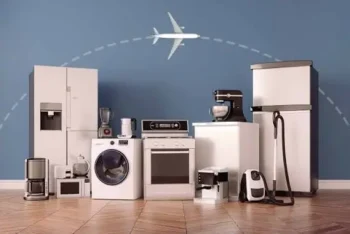
Electricity powers almost everything in a modern home. From refrigerators to washing machines, every appliance depends on the correct voltage to work safely and efficiently. If you are planning to buy new electrical equipment or move to another country, understanding 220 volt home appliances becomes very important.
Many countries use a 220V to 240V electrical system, while others use 110V to 120V. Choosing the wrong appliance can reduce performance, damage the product or even create safety risks. This guide explains everything you need to know about 220 volt home appliances, including how they work, their benefits, common types, energy efficiency, installation tips, maintenance and buying advice.
What Are 220 Volt Home Appliances?
220 volt home appliances are electrical devices designed to operate using a power supply of approximately 220 to 240 volts. These appliances are common in Asia, Europe, Africa, Australia and many other regions around the world.
Unlike 110V appliances, 220V models receive higher voltage, allowing many large appliances to operate more efficiently while using lower current for the same amount of power.
Some countries provide exactly 220V, while others use 230V or 240V. Most modern appliances are built to work safely within this range.
| Voltage | Common Regions | Typical Appliances |
|---|---|---|
| 110–120V | USA, Canada | Small household electronics |
| 220–240V | Europe, Asia, Middle East, Australia | Large home appliances |
Why Voltage Matters for Home Appliances
Voltage determines how electricity flows into an appliance. Every appliance is designed for a specific voltage range.
Using the wrong voltage may cause:
- Poor performance
- Overheating
- Permanent appliance damage
- Shortened lifespan
- Fire hazards
Always check the appliance label before plugging it into your home’s electrical system.
How 220 Volt Appliances Work
A 220V electrical system delivers more electrical potential than a 110V system. This allows appliances to produce the same amount of power while drawing less current.
For example:
Power (Watts) = Voltage × Current
If an appliance requires 2200 watts:
| Voltage | Current Needed |
|---|---|
| 110V | 20 Amps |
| 220V | 10 Amps |
Lower current reduces heat generation inside wires, making electrical systems more efficient for heavy-duty appliances.
Common 220 Volt Home Appliances
Many household appliances require higher voltage because they generate heat or power large motors.
| Appliance | Typical Voltage |
|---|---|
| Refrigerator | 220–240V |
| Washing Machine | 220–240V |
| Clothes Dryer | 220–240V |
| Electric Oven | 220–240V |
| Microwave Oven | 220–240V |
| Dishwasher | 220–240V |
| Air Conditioner | 220–240V |
| Water Heater | 220–240V |
| Electric Kettle | 220–240V |
| Vacuum Cleaner | 220–240V |
These 220 volt home appliances are designed for countries using higher-voltage electrical systems.
Advantages of 220 Volt Home Appliances
Higher voltage systems offer several practical benefits for homeowners.
Better Energy Distribution
Higher voltage allows appliances to use lower current, reducing electrical losses in wiring.
Excellent Performance
Heavy-duty appliances receive the power they need without excessive current flow.
Reduced Wire Heating
Lower current means electrical wires generate less heat during operation.
Suitable for Large Appliances
Large motors and heating elements perform more efficiently with higher voltage.
Long-Term Reliability
Correct voltage reduces electrical stress on appliance components.
Are 220 Volt Appliances More Energy Efficient?
Many people believe higher voltage automatically saves electricity. The answer is slightly more complicated.
The appliance itself consumes electricity based on its wattage rather than voltage.
For example:
A 2000W heater uses 2000 watts whether it operates on 110V or 220V. The difference is that a 220V system requires less current. This lower current reduces small transmission losses and places less strain on household wiring.
Therefore, 220 volt home appliances can improve electrical efficiency without changing the appliance’s actual energy consumption.
Popular Kitchen Appliances Using 220 Volts
The kitchen contains several high-power appliances.
| Appliance | Main Purpose |
|---|---|
| Electric Oven | Baking and roasting |
| Microwave | Fast cooking |
| Electric Kettle | Boiling water |
| Coffee Machine | Brewing coffee |
| Induction Cooktop | Efficient cooking |
| Dishwasher | Automatic dish cleaning |
These appliances often require stable voltage for safe operation.
Laundry Appliances That Use 220 Volts
Laundry equipment usually contains electric motors and heating elements.
| Appliance | Function |
|---|---|
| Washing Machine | Cleans clothes |
| Clothes Dryer | Dries laundry |
| Steam Iron | Removes wrinkles |
Because of their power requirements, manufacturers commonly design them for 220V systems.
Climate Control Appliances
Keeping your home comfortable also requires powerful electrical equipment.
Examples include:
- Split air conditioners
- Window AC units
- Electric heaters
- Heat pumps
- Dehumidifiers
Many of these appliances perform best with higher voltage power supplies.
How to Identify a 220 Volt Appliance
Always check the rating label before purchasing.
Look for information such as:
- Voltage
- Frequency
- Wattage
- Current
- Model number
Example:
Voltage: 220-240V
Frequency: 50/60Hz
Manufacturers usually place this label on the back, bottom or inside the appliance.
Can You Use a 220 Volt Appliance in a 110 Volt Country?
Yes, but additional equipment is usually required. A step-up transformer converts 110V electricity into 220V.
However, several factors should be considered:
| Requirement | Importance |
|---|---|
| Correct transformer size | Prevents overload |
| Appliance wattage | Determines transformer capacity |
| Frequency compatibility | Some motors require matching frequency |
| Plug adapter | Fits local outlet |
Using only a plug adapter without changing voltage can permanently damage the appliance.
Safety Tips for Using 220 Volt Home Appliances
Safety should always come first when using electrical equipment.
Follow these recommendations:
- Never overload electrical outlets.
- Keep appliances away from water.
- Replace damaged power cords immediately.
- Use grounded outlets whenever possible.
- Avoid extension cords for high-power appliances.
- Disconnect appliances before cleaning.
- Allow proper ventilation around electrical devices.
These simple habits improve safety and increase appliance lifespan.
Choosing the Right 220 Volt Appliance
Buying the right appliance involves more than comparing prices.
Consider these important factors.
Energy Efficiency Rating
Choose appliances with high energy-efficiency certifications to lower electricity bills.
Capacity
Select a size that matches your household needs.
| Family Size | Washing Machine Capacity |
|---|---|
| 1–2 People | 6–7 kg |
| 3–4 People | 8–9 kg |
| 5+ People | 10 kg or larger |
Warranty
A longer warranty often indicates better manufacturing quality.
Brand Reputation
Well-known manufacturers usually provide better customer support and replacement parts.
Smart Features
Many modern appliances include Wi-Fi, smartphone control, scheduling and energy monitoring.
Maintenance Tips for Longer Appliance Life
Proper maintenance helps appliances work efficiently for many years. Clean filters regularly. Remove dust from ventilation areas. Check electrical cords for wear. Avoid overloading washing machines. Clean refrigerator condenser coils every few months. Keep appliance surfaces dry and clean. Schedule professional servicing for large appliances when recommended by the manufacturer. Regular care reduces repair costs and improves performance.
Common Mistakes People Make
Many homeowners accidentally shorten appliance life.
Some common mistakes include:
| Mistake | Result |
|---|---|
| Using incorrect voltage | Appliance damage |
| Ignoring maintenance | Lower efficiency |
| Blocking ventilation | Overheating |
| Overloading machines | Motor wear |
| Using cheap adapters | Safety hazards |
Avoiding these mistakes protects your investment.
Smart Technology in Modern Appliances
Technology has transformed household appliances.
Many modern 220 volt home appliances now include:
- Remote smartphone control
- Voice assistant compatibility
- Automatic energy-saving modes
- Self-diagnosis systems
- Smart scheduling
- Maintenance reminders
These features improve convenience while helping homeowners reduce electricity usage.
Are 220 Volt Appliances Expensive?
Prices vary depending on the appliance type, size, features and manufacturer. Basic appliances remain affordable, while premium smart models cost more.
Although high-quality appliances require a larger initial investment, they often provide:
- Better durability
- Lower maintenance costs
- Improved energy efficiency
- Longer warranties
Choosing quality usually saves money over time.
Environmental Benefits of Energy-Efficient Appliances
Energy-efficient appliances reduce electricity consumption and environmental impact.
Benefits include:
| Benefit | Explanation |
|---|---|
| Lower energy bills | Reduced electricity use |
| Smaller carbon footprint | Less energy production needed |
| Longer lifespan | Fewer replacements |
| Reduced electronic waste | Better sustainability |
Selecting efficient appliances supports both your budget and the environment.
Who Should Buy 220 Volt Home Appliances?
These appliances are ideal for homeowners living in countries with 220V electrical systems.
They are also suitable for:
- Families upgrading kitchens
- New homeowners
- Apartment residents
- Property developers
- Vacation homes
- Rental property owners
Buying appliances that match your home’s electrical system ensures safe and reliable operation.
Conclusion
Choosing the right 220 volt home appliances is an important step toward building a safe, efficient and comfortable home. Understanding voltage compatibility helps prevent costly mistakes and improves appliance performance. Whether you are buying a refrigerator, washing machine, air conditioner or electric oven, always confirm that the appliance matches your home’s electrical supply.
Modern appliances offer excellent energy efficiency, smart technology and reliable performance when installed correctly. Investing in quality products and maintaining them regularly will help you enjoy years of dependable service while reducing electricity costs.
Frequently Asked Questions
What are 220 volt home appliances?
They are household electrical devices designed to operate on a 220V to 240V power supply commonly used in many countries worldwide.
Can I use a 220V appliance on a 110V outlet?
No. You generally need a step-up transformer that matches the appliance’s power requirements. A simple plug adapter is not enough.
Do 220V appliances use less electricity?
Not necessarily. Electricity usage depends on the appliance’s wattage. However, 220V systems use lower current, which can reduce electrical losses.
Which appliances usually require 220 volts?
Large appliances such as refrigerators, washing machines, ovens, dryers, water heaters, air conditioners and dishwashers commonly use 220V.
How can I tell if an appliance is 220V?
Check the manufacturer’s rating label. It will list the operating voltage, usually as 220V, 230V or 220-240V.


