
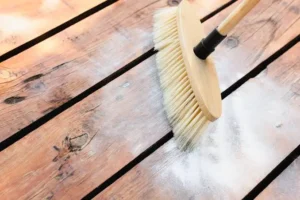
Cleaning the space beneath a deck can feel difficult because it is often dark, narrow and filled with leaves, dirt, twigs and other outdoor debris. Choosing the right tools for cleaning out under the deck makes this task easier while helping you protect the deck structure and keep the surrounding area tidy.
The space under a deck can collect moisture and organic material for long periods, especially when airflow is limited. Regular cleaning can help reduce clutter, improve drainage, discourage pests and make it easier to notice problems before they become expensive repairs.
Why Cleaning Under the Deck Matters
The area beneath a deck is easy to ignore because it stays out of normal sight. However, leaves, grass, branches, soil and other debris can slowly build up and create an untidy environment around the foundation.
Organic debris can also hold moisture against nearby surfaces. Extension guidance notes that outdoor debris can provide hiding places for insects, while reducing excess moisture can help discourage some common pests.
Cleaning underneath the deck also gives you a chance to inspect the area. You may notice standing water, damaged wood, blocked drainage, animal activity or plants growing too close to the structure.
Best Tools for Cleaning Out Under the Deck
The best tool depends on the size of the space, the type of debris and how much access you have beneath the deck. A narrow space may require long-handled tools, while an open area can be cleaned faster with a rake, broom or outdoor vacuum.
| Tool | Best Use | Main Benefit |
|---|---|---|
| Leaf rake | Leaves and loose debris | Covers a wide area |
| Garden hoe | Packed soil and weeds | Breaks up stubborn material |
| Push broom | Fine dirt and leaves | Easy for larger spaces |
| Leaf blower | Dry leaves and light debris | Fast debris removal |
| Garden hose | Loose dirt | Helps rinse accessible areas |
| Outdoor vacuum | Small leaves and debris | Useful for controlled cleanup |
| Long-handled grabber | Small objects | Reaches difficult areas |
| Hand cultivator | Weeds and compact soil | Works in tight spaces |
| Bucket or yard bag | Collected debris | Makes disposal easier |
| Flashlight | Dark areas | Improves visibility |
A combination of simple tools usually works better than relying on one powerful tool. For example, a rake can loosen debris first, while a broom or blower can finish the cleanup.
1. Leaf Rake for Loose Debris
A leaf rake is one of the most useful tools for cleaning out under the deck because it can move large amounts of leaves and grass without requiring you to reach every piece by hand. Choose a rake with a long handle if the deck has limited clearance.
Use gentle pulling movements instead of forcing the rake into the soil. This approach helps reduce the chance of disturbing drainage areas or damaging objects that may be hidden under the debris.
A narrow landscape rake can work especially well when the space between the ground and deck is limited. Its smaller head can reach areas where a standard garden rake may be difficult to maneuver.
2. Long-Handled Grabber for Hard-to-Reach Areas
A long-handled grabber can help collect bottles, sticks, plastic, small toys and other objects without requiring you to crawl underneath the deck. It becomes particularly useful when the deck sits close to the ground.
The grabber can also help you remove individual pieces after the main debris has been cleared. This makes it a practical finishing tool rather than the primary tool for large piles of leaves.
When using a grabber, inspect what you are picking up before touching it directly. If you find sharp, hazardous or unknown objects, ask an adult or professional to handle them safely.
3. Push Broom for Fine Dirt
A push broom works well when loose leaves have already been removed. Its wide head can move dust, small twigs, dry grass and other lightweight material across an open area.
A stiff outdoor broom can also help clean the edges around the deck. Sweep toward an accessible opening so you can collect the debris instead of pushing it farther underneath.
For very narrow spaces, a smaller broom may provide better control. The right size depends on the clearance beneath the deck and the amount of debris present.
4. Leaf Blower for Dry Leaves
A leaf blower can save considerable time when the debris underneath the deck consists mainly of dry leaves and lightweight material. It can move debris toward one accessible side where you can gather it into bags or a yard-waste container.
However, blowing debris can spread dust and leaves into nearby areas. Use the blower carefully and avoid directing debris toward people, pets, windows, doors or neighboring properties.
A blower works best after larger branches and heavier objects have already been removed. It should be viewed as a finishing or fast-moving tool rather than a replacement for inspection.
5. Outdoor Vacuum for Small Debris
An outdoor or wet/dry vacuum can help remove smaller pieces that remain after raking. This can be useful around stairs, posts, edges and other areas where leaves become trapped.
Vacuuming works especially well when the debris is dry and loose. Always follow the vacuum manufacturer’s instructions and use only equipment designed for the material and conditions you are cleaning.
If the area contains standing water, do not assume a regular household vacuum can handle it. Use equipment only when its instructions specifically allow that type of cleanup.
6. Garden Hoe for Compact Soil and Weeds
A garden hoe can help loosen weeds and compacted organic material around the edges of a deck. It is particularly useful when leaves have remained wet and started breaking down into a dense layer.
Work carefully around deck supports, drainage features, cables, pipes and other hidden structures. Avoid digging deeply because you may disturb something beneath the surface.
The goal is to loosen removable material rather than reshape the ground. If you notice drainage problems or structural concerns, stop cleaning that area and have it inspected.
7. Garden Hose for Rinsing
A garden hose can help rinse away small amounts of remaining dirt after dry debris has been removed. It can also help clean accessible surfaces around the deck when the surrounding area can safely handle water.
However, water should not replace debris removal. Wetting a thick layer of leaves can make it heavier, harder to remove and more likely to hold moisture.
When cleaning deck surfaces, manufacturers and home-improvement guidance commonly recommend following the specific instructions for the deck material. Wood and composite decking may require different cleaning methods, so avoid assuming that the same cleaner or pressure setting works for every deck.
8. Flashlight or Work Light
A bright flashlight is one of the most important tools for cleaning out under the deck because visibility can be poor beneath elevated structures. Good lighting helps you see leaves, drainage problems, stored objects and areas that need additional attention.
Look carefully before reaching into dark spaces. A flashlight also makes it easier to inspect deck posts, nearby soil and the underside of the structure without relying only on natural light.
For larger projects, a rechargeable work light can provide wider illumination. Keep electrical equipment away from wet areas unless it is specifically designed and rated for those conditions.
9. Heavy-Duty Yard Bags or Containers
Once debris starts accumulating, you need a practical way to remove it. Heavy-duty yard bags, reusable garden containers or suitable outdoor bins can make the cleanup process more organized.
Avoid filling bags beyond their safe capacity because wet leaves and soil can become surprisingly heavy. Separate ordinary yard debris according to your local waste or composting rules.
A container with handles can be especially useful when the deck has several access points. You can place it close to the work area and reduce the distance you need to carry each load.
Choosing the Right Tools for Different Debris
Not every type of debris requires the same cleaning approach. Matching the tool to the material can make the job faster and reduce unnecessary effort.
| Type of Debris | Recommended Tool |
|---|---|
| Dry leaves | Leaf rake or blower |
| Small twigs | Rake or grabber |
| Fine dirt | Push broom |
| Compact leaves | Garden hoe or hand tool |
| Small loose debris | Outdoor vacuum |
| Weeds | Hand cultivator or hoe |
| Accessible surface dirt | Garden hose |
| Hidden objects | Flashlight and grabber |
Start with the largest and easiest material first. Once the major debris has been removed, use smaller tools to clean corners and hard-to-reach areas.
How to Clean Under a Deck Step by Step
Before beginning, inspect the area from outside the deck. Look for standing water, damaged materials, animals, insects, unstable objects and anything that could make the area unsafe.
Next, remove large objects and obvious debris from the accessible edges. A long-handled grabber can help you reach small objects without putting yourself into an uncomfortable position.
After that, use a rake to pull leaves and loose organic material toward an opening. If the debris is dry, a leaf blower can help move the remaining lightweight material toward your collection area.
Once the large debris is gone, use a broom or outdoor vacuum for smaller pieces. Finish by checking corners, around support posts and along the foundation.
If you are cleaning the deck itself afterward, choose a cleaner designed for the specific deck material. Lowe’s guidance recommends using appropriate protective equipment and following the product manufacturer’s directions when using deck-cleaning products.
How to Clean Under a Low Deck
Low decks create a special challenge because traditional garden tools may not fit underneath them. In these situations, long-handled rakes, narrow brushes, grabbers and compact outdoor tools can provide better access.
Work from the outside instead of trying to force yourself into a tight space. Pull debris toward the edge in small sections and remove it gradually.
A flexible rake can sometimes reach beneath a low deck more easily than a rigid, wide rake. The goal should be controlled movement rather than using excessive force.
Can You Use a Pressure Washer Under a Deck?
A pressure washer may be useful for certain deck-cleaning tasks, but it is not automatically the best solution for cleaning the ground underneath a deck. High-pressure water can move dirt around, create muddy conditions and potentially affect nearby surfaces.
For wood decking, pressure-washing guidance recommends using appropriate nozzles, maintaining suitable distance and following the deck manufacturer’s recommendations. Lowe’s specifically lists pressure washing as an optional tool for some deck-cleaning projects and emphasizes proper technique.
For composite decking, always check the manufacturer’s cleaning instructions before using pressure. Different materials can respond differently to pressure, cleaners and heat.
Safety Tips When Cleaning Under a Deck
Safety should come before speed when selecting tools for cleaning out under the deck. Wear suitable gloves and closed-toe footwear and use eye protection when dust or debris could become airborne.
Do not reach blindly into dark piles of leaves or clutter. Hidden objects, insects, broken materials or other hazards may be present.
Keep children and pets away from the work area until the cleanup is complete. If you discover structural damage, electrical problems, significant animal activity or another serious issue, stop the project and ask a qualified adult or professional for help.
How Often Should You Clean Under a Deck?
The ideal cleaning schedule depends on the amount of trees, wind, rain and outdoor activity around your home. A deck beneath large trees may collect leaves much faster than a deck in an open yard.
A quick inspection every few weeks during heavy leaf-fall seasons can help prevent large piles from forming. Regular removal is easier than waiting until organic material becomes wet, compacted and difficult to move.
Routine deck maintenance also includes checking the structure for damage. Home-improvement guidance recommends regular inspection of decks, while routine sweeping helps prevent debris from accumulating.
Common Mistakes to Avoid
One common mistake is trying to clean everything with a pressure washer. Water can move debris without actually removing it and excessive pressure can damage some deck surfaces.
Another mistake involves ignoring moisture. If the area under the deck repeatedly stays wet, simply removing leaves may not solve the underlying problem.
People also sometimes push debris farther under the deck instead of removing it completely. This only moves the problem to a less visible location, where the material can continue to collect.
Best Tools for a Complete Under-Deck Cleaning Kit
For most homeowners, a basic collection of tools for cleaning out under the deck does not need to be expensive or complicated. A rake, broom, grabber, flashlight, yard bags and suitable gloves can handle many routine cleanup jobs.
For larger areas, adding a leaf blower or outdoor vacuum can make the process faster. A garden hoe can also help when weeds or compacted organic material have become difficult to remove.
The best setup depends on the deck’s height and the type of debris you usually find. Start with basic hand tools and add specialized equipment only when your cleaning needs justify it.
Conclusion
Keeping the space beneath a deck clean does not require a large collection of expensive equipment. The right tools for cleaning out under the deck can help you remove leaves, dirt, weeds, twigs and other debris while making routine maintenance much easier.
Start with simple equipment such as a rake, broom, grabber, flashlight and yard bags, then add a blower or outdoor vacuum if your deck collects large amounts of debris. Regular cleaning, good visibility, proper safety practices and attention to moisture can help keep the area beneath your deck cleaner and easier to maintain.
Frequently Asked Questions
What is the easiest way to clean under a deck?
The easiest method is usually to remove large objects first, pull leaves toward an accessible opening with a rake and collect the debris in yard bags. A leaf blower can help move dry, lightweight material after the larger debris has been removed.
What tools work under a very low deck?
Long-handled grabbers, narrow rakes, flexible brushes and compact outdoor vacuums can work well under low decks. Choose tools that allow you to work from the edge rather than forcing yourself into a cramped space.
How do I remove leaves from under my deck?
Use a rake to pull leaves toward an accessible side of the deck. For dry leaves, a leaf blower can help move the remaining material, while a yard bag or outdoor container makes disposal easier.
Should I pressure wash under my deck?
Pressure washing is not necessary for ordinary leaf and debris removal. If you plan to pressure wash the deck surface, follow the manufacturer’s instructions and use the appropriate pressure, nozzle and distance for the material.
Why does the area under my deck stay damp?
Poor drainage, limited airflow, rain runoff and layers of organic debris can contribute to damp conditions. Removing debris and checking drainage can help, but persistent moisture may require a closer inspection.
Can cleaning under a deck help prevent pests?
Keeping the area free of unnecessary debris can reduce potential hiding places for some pests. Extension guidance recommends removing outdoor debris and reducing excess moisture as part of pest management.


