
Smart home technology continues to change the way pe0ple manage electricity, save energy and control household devices. Among the most popular smart home accessories are smart plugs and smart power strips. Many homeowners compare Smart Plug vs Smart Power Strip options when building an efficient and connected home.
While both devices provide remote control and automation features, they serve different purposes. Understanding the differences helps homeowners make informed decisions and maximize the benefits of smart technology. This guide explains everything you need to know about Smart Plug vs Smart Power Strip, including features, benefits, limitations and ideal use cases.
What Is a Smart Plug?
A smart plug is a small device that fits into a standard wall outlet. It allows users to control the power supply to connected devices through a smartphone app, voice assistant or automation system.
A smart plug transforms ordinary appliances into smart devices. Users can turn lamps, coffee makers, fans and other electronics on or off remotely. Most smart plugs also include scheduling and energy-monitoring features.
The simplicity of installation makes smart plugs attractive for beginners. Users only need to plug the device into an outlet and connect it to Wi-Fi through a compatible app.
What Is a Smart Power Strip?
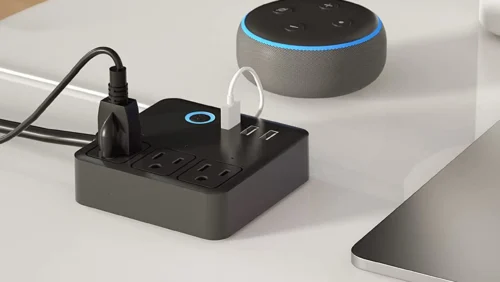
A smart power strip functions similarly to a traditional power strip but includes smart connectivity and automation features. It contains multiple outlets that users can manage through a mobile app or voice commands.
Unlike a single smart plug, a smart power strip can control several devices at once. Some models even allow individual outlet control, giving users greater flexibility.
Smart power strips are especially useful in home offices, entertainment centers, gaming setups and workstations where multiple devices require power.
Smart Plug vs Smart Power Strip
The following table highlights the major differences between these two smart devices.
| Feature | Smart Plug | Smart Power Strip |
|---|---|---|
| Number of Outlets | One | Multiple |
| Device Control | Single device | Multiple devices |
| Installation | Very simple | Simple |
| Space Requirement | Minimal | Larger |
| Cost | Lower | Higher |
| Energy Monitoring | Available on many models | Available on many models |
| Ideal Use | Individual appliances | Multiple electronics |
| Automation Options | Basic to advanced | Advanced |
This comparison provides a basic understanding of smart plug vs smart power strip functionality.
How Smart Plugs Work
Smart plugs connect to a home’s Wi-Fi network. After setup, users can control connected appliances through an app from anywhere with internet access.
Most smart plugs support popular voice assistants such as Amazon Alexa, Google Assistant, and Apple HomeKit. Voice control allows users to operate devices hands-free.
Many smart plugs also offer scheduling features. For example, users can set lamps to turn on automatically at sunset or switch off appliances at bedtime.
How Smart Power Strips Work
Smart power strips use the same wireless technology but provide multiple outlets within a single device. Depending on the model, users may control each outlets separately or manage all outlets simultaneously.
Advanced smart power strips often include USB charging ports. Some models feature surge protection to safeguard connected electronics from voltage spikes.
These features make smart power strips suitable for complex setups involving multiple devices.
Key Benefits of Smart Plugs
Smart plugs offer several advantages that appeal to homeowners seeking affordable smart home upgrades.
Easy Installation
Users can install smart plugs within minutes. No professional assistance or electrical modifications are required.
Affordable Smart Home Entry
Smart plugs usually cost less than smart power strips. They provide an economical way to begin building a smart home ecosystem.
Energy Savings
Many smart plugs track electricity usage. This information helps users identify energy-hungry appliances and reduce unnecessary consumption.
Remote Access
Users can control connected devices from virtually anywhere using smartphone apps.
These benefits explain why many homeowners start their smart home journey with smart plugs.
Key Benefits of Smart Power Strips
Smart power strips provide advantages that become increasingly valuable in homes with multiple electronics.
Multiple device Control
One smart power strip can manage several devices simultaneously. This reduces clutter and simplifies automation.
Better Organization
Entertainment systems and office desks often involve numerous cables. A smart power strip helps organize and centralize power management.
Surge Protection
Many smart power strips include built-in surge protection. This feature helps protect expensive electronics from electrical damage.
Advanced Scheduling
Users can automate multiple devices using a single interface, improving convenience and efficiency.
These advantages make smart power strips attractive for technology-heavy households.
Smart Plug vs Smart Power Strip – Energy Efficiency
Energy efficiency remains one of the most important considerations when comparing Smart Plug vs Smart Power Strip solutions.
Smart plugs excel at controlling individual devices that frequently consume standby power. Televisions, coffee makers and chargers often continue drawing electricity even when not actively used.
Smart power strips address phantom energy consumption on a larger scale. Users can switch off entire groups of devices with one command. This capability helps reduce overall household electricity use.
Both options contribute to energy savings when used correctly. The best choice depends on the number of devices requiring management.
Best Use Cases for Smart Plugs
Smart Plugs perform exceptionally well in several situations.
| Appliance | Why a Smart Plug Works Well |
|---|---|
| Table Lamps | Automated lighting schedules |
| Coffee Makers | Morning automation |
| Fans | Remote operation |
| Humidifiers | Smart scheduling |
| Holiday Decorations | Timed activation |
A smart plug provides a cost-effective solution whenever a single appliance requires automation.
Best Use Cases for Smart Power Strips
Smart power strips shine when multiple devices need coordinated control.
| Setup | Why a Smart Power Strip Works Well |
|---|---|
| Home Office | Controls monitors, printers and chargers |
| Gaming Station | Manages consoles and accessories |
| Entertainment Center | Handles TV, speakers and streaming devices |
| Study Room | Organizes educational electronics |
| Workshop | Powers multiple tools safely |
These environments benefit significantly from centralized device management.
Smart Plug vs Smart Power Strip – Cost Comparison
Budget often influences purchasing decisions.
A basic smart plug generally costs between $10 and $30. Premium models with energy monitoring and advanced integrations may cost more.
Smart power strips usually range from $25 to $80 depending on the number of outlets and included features.
While smart power strips require a larger upfront investment, they often replace multiple smart plugs. This can provide better overall value in multi-device environments.
When evaluating Smart Plug vs Smart Power Strip, consider both current and future needs.
Compatibility With Smart Home Ecosystems
Most modern smart plugs and smart power strips integrate with major smart home platforms.
Popular compatibility options include:
- Amazon Alexa
- Google Assistant
- Apple HomeKit
- Samsung SmartThings
Before purchasing either device, verify compatibility with your existing smart home system.
Seamless integration ensures reliable automation and voice control performance.
Safety Considerations
Safety remains essential when using any electrical accessory.
Users should always follow manufacturer guidelines regarding maximum power loads. Overloading outlets can create safety risks regardless of device type.
Choose products certified by recognized safety organizations. Certification indicates compliance with electrical safety standards.
For high-power appliances such as heaters and air conditioners, verify that the device supports the required wattage before use.
Installation and Setup Process
Both smart plugs and smart power strips are designed for easy setup.
The process typically involves:
- Plugging the device into a wall outlet.
- Downloading the manufacturer’s app.
- Connecting the device to Wi-Fi.
- Naming connected appliances.
- Creating scheduling or automation routines.
Most users complete setup within ten minutes.
The simplicity of installation contributes to the growing popularity of both products.
Which Option Is Better for Small Homes?
Small apartments and compact living spaces often benefit more from smart plugs.
A smart plug occupies minimal space and provides targeted automation. Users can automate essential appliances without adding unnecessary hardware.
For renters and first-time smart home users, smart plugs often represent the most practical starting point.
Which option Is Better for Large Homes?
Larger homes frequently contain more electronic devices. In these environments, smart power strips often provide greater efficiency.
A single smart power strip can manage multiple devices in entertainment rooms, offices and shared living spaces.
The ability to control several outlets simultaneously simplifies home automation across larger households.
Smart Plug vs Smart Power Strip – Pros and Cons
| Device | Pros | Cons |
|---|---|---|
| Smart Plug | Affordable, compact, easy setup | Controls only one device |
| Smart Power Strip | Multiple outlets, surge protection, better organization | Higher cost and larger size |
This table summarizes the strengths and limitations of each solution.
Future Trends in Smart Power Management
Smart home technology continues to evolve rapidly.
Manufacturers increasingly integrate artificial intelligence, energy analytics and automation features into power management devices. Future smart plugs and smart power strips may automatically optimize electricity usage based on household habits.
These advancements will further improve convenience and energy efficiency for homeowners.
Frequently Asked Questions
Is a smart plug better than a smart power strip?
Neither option is universally better. Smart plugs work best for individual devices, while smart power strips are ideal for managing multiple electronics.
Do smart plugs save electricity?
Yes. Smart plugs can reduce energy waste by automatically turning devices off when they are not needed.
Can a smart power strip control each outlet separately?
Many advanced models allow individual outlet control. However, some budget models only control all outlets together.
Are smart power strips safe?
Yes. High-quality smart power strips are safe when used according to manufacturer guidelines and load limits.
Can I use a smart plug with a power strip?
In many cases, yes. However, users should follow safety recommendations and avoid exceeding electrical load limits.
Which is more cost-effective?
For one device, a smart plug is usually more affordable. For multiple devices, a smart power strip often delivers better value.
Conclusion
Choosing between smart plug vs smart power strip requires understanding your home setup, automation goals and budget. Both devices offer excellent smart home benefits and contribute to energy efficiency. By selecting the right solution for your needs, you can enjoy greater convenience, improved control and a more connected home environment.


