
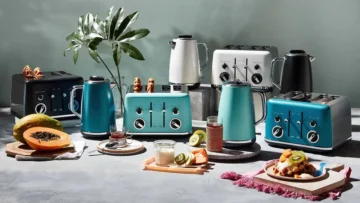
Buying a new appliance can feel confusing because the market offers many choices, features and price ranges. The popular home appliance brands available today compete through energy efficiency, smart technology, durability, design and customer satisfaction.
A good appliance should do more than look attractive in your kitchen or laundry room. It should match your household needs, use energy wisely, offer useful features and provide dependable support when you need maintenance or repairs.
What Makes a Home Appliance Brand Popular?
A brand becomes popular when customers trust its products and continue choosing them over time. Product quality, useful technology, energy efficiency, warranty support, availability and customer satisfaction all influence how consumers view an appliance brand.
The appliance market also changes as manufacturers introduce smarter products and more efficient technologies. Current industry research shows strong competition among major names such as Whirlpool, LG, Samsung, Bosch, GE Appliances, Haier and Electrolux.
Popularity does not always mean that one brand is best for every home. A refrigerator that works well for one family may not suit another family because their space, budget, electricity costs and storage needs can differ.
Top Popular Home Appliance Brands to Know
When people research popular home appliance brands, they often compare several established manufacturers before making a purchase. Each company has different strengths, product categories, technologies and price levels.
The following table provides a simple overview of several major appliance names and the areas where shoppers commonly encounter them.
| Brand | Common Appliance Categories | Notable Strength |
|---|---|---|
| Samsung | Refrigerators, washers, ranges, microwaves | Smart features and modern design |
| LG | Refrigerators, washers, dryers, cooking appliances | Technology and convenient features |
| Whirlpool | Refrigerators, washers, dryers, cooking appliances | Broad household appliance range |
| Bosch | Dishwashers, refrigerators, cooking appliances | Kitchen appliances and quiet operation |
| GE Appliances | Refrigerators, ranges, washers, dryers | Broad product selection and U.S. presence |
| Haier | Refrigerators, air conditioners, washers, freezers | Wide global appliance portfolio |
| Electrolux | Washers, dryers, refrigerators, cooking appliances | Efficiency and premium appliance segments |
This comparison is not a ranking because appliance performance depends on the specific model. Recent J.D. Power research found different brands leading different appliance categories, showing why shoppers should compare individual products instead of choosing a brand name alone.
Samsung Home Appliances
Samsung has built a strong position in home appliances by combining household products with connected technology. Its appliance range includes refrigerators, washing machines, dryers, cooking products and other home solutions.
Smart features can make everyday tasks easier when they provide practical control rather than unnecessary complexity. Samsung also promotes features such as AI Energy Mode and Eco programs that can help compatible appliances reduce energy use.
Samsung also performed strongly in the 2026 J.D. Power U.S. Appliance Satisfaction Study. The company ranked highly across several refrigerator categories and tied for the highest dishwasher satisfaction score with KitchenAid.
LG Home Appliances
LG is another major name that appears frequently when shoppers research popular home appliance brands. The company offers refrigerators, washing machines, dryers, ranges, ovens, dishwashers and other household products.
LG focuses heavily on technology, convenience and energy-conscious designs. Its appliances often include sensors, smart controls, specialized washing programs and other features designed to simplify daily household tasks.
The 2026 J.D. Power study placed LG first for customer satisfaction in ranges and wall ovens. Samsung followed LG in both categories, which shows how closely major appliance manufacturers compete in the kitchen appliance market.
Whirlpool Home Appliances
Whirlpool remains a well-known household appliance manufacturer with a broad selection of products. Its lineup covers major categories such as refrigerators, washers, dryers, dishwashers, cooking appliances and microwaves.
One advantage of choosing a large established manufacturer is the wide product range. Consumers can often find several models with different capacities, features and price points under the same brand.
Whirlpool also ranked highly in the 2026 J.D. Power study. It received the highest satisfaction ranking for cooktops and ranked second for over-the-range microwaves.
Bosch Home Appliances
Bosch is especially recognized in the kitchen appliance market, with products that include dishwashers, refrigerators, ovens, cooktops and other kitchen equipment. The brand is often associated with modern European-inspired design and practical kitchen technology.
Dishwashers are an important part of Bosch’s reputation among appliance shoppers. In the 2026 J.D. Power study, Bosch ranked third in dishwasher customer satisfaction behind the joint leaders KitchenAid and Samsung.
When considering Bosch or another premium brand, shoppers should compare features with the actual price. A more expensive appliance is not automatically the best choice if the household does not need its additional functions.
GE Appliances
GE Appliances is another major manufacturer with a long history in the appliance industry. The company produces refrigerators, ranges, ovens, dishwashers, washers, dryers and other household products.
According to GE Appliances, its products are found in about half of U.S. homes, while its main innovation center employs more than 1,600 engineers. These figures highlight the company’s significant presence in the American appliance market.
GE Appliances also appeared among the leading brands in the 2026 J.D. Power study. It ranked third for wall oven satisfaction, following LG and Samsung.
Haier Home Appliances
Haier is a global appliance manufacturer with products covering refrigeration, laundry, air conditioning, cooking and other household categories. Its presence is particularly important in many international markets.
Haier also has a substantial manufacturing operation in Pakistan. According to Haier Pakistan, its Lahore industrial facility has a designed production capacity of two million units per year and produces several appliance categories.
This makes Haier an interesting option for shoppers who want a widely recognized international appliance manufacturer with a strong local manufacturing presence in Pakistan.
Electrolux Home Appliances
Electrolux is another major appliance manufacturer that operates across international markets. Its portfolio includes laundry appliances, kitchen products, refrigerators, dryers and other household equipment.
The company reports strong positions in several regions and identifies brands and competitors such as LG, Samsung, Haier, Beko and Bosch among the major players in different markets. Its current strategy also emphasizes energy and water efficiency in several product categories.
Electrolux can therefore be worth considering when efficiency, design and specialized household features are important to your buying decision.
How to Choose Among Popular Home Appliance Brands
Choosing between popular home appliance brands should start with your actual household requirements. Begin by deciding what type of appliance you need, how much space you have and which features you will genuinely use.
For example, a large family may need a high-capacity refrigerator or washing machine. A person living alone may prefer a smaller model that costs less and uses fewer resources.
Price also deserves careful attention. Instead of looking only at the purchase price, consider the appliance’s energy consumption, maintenance needs, expected lifespan, warranty and replacement parts.
Compare Energy Efficiency Before Buying
Energy efficiency can affect the long-term cost of owning an appliance. ENERGY STAR explains that certified products meet strict efficiency requirements and can help households save energy and money.
The FTC also recommends using the Energy Guide label when it is available. The label helps consumers compare energy consumption and estimated operating costs between similar appliances.
This point matters because two appliances with similar purchase prices can have different running costs. A slightly higher upfront price may make sense when the appliance provides meaningful energy savings over its useful life.
Consider Appliance Size and Capacity
Size is another important factor when comparing appliances. Measure the available space before ordering because the appliance must fit properly while still allowing doors, lids and ventilation areas to work safely.
Refrigerators provide a good example of why size matters. ENERGY STAR notes that larger refrigerators generally consume more energy, while appropriately sized models can reduce unnecessary energy use.
Capacity should also match your household. Buying a very large appliance for a small household can waste space and energy, while buying a small appliance for a large family can make everyday tasks frustrating.
Smart Features vs. Basic Features
Modern popular home appliance brands increasingly offer connected and smart appliances. These products may allow users to monitor settings, receive notifications, change cycles or manage certain functions through digital controls.
Smart technology can be helpful when it solves a real problem. However, shoppers should avoid paying extra for features they will rarely use.
A simple appliance with reliable basic functions may provide better value than a highly connected model for some households. The best appliance is the one whose features match your lifestyle rather than the one with the longest feature list.
Brand Reputation and Customer Satisfaction
Brand reputation can provide useful information, but it should not replace product research. Different models from the same manufacturer can perform differently because they use different motors, compressors, sensors, materials and software.
Recent customer satisfaction research demonstrates this clearly. J.D. Power’s 2026 study identified different leaders across cooktops, ranges, wall ovens, microwaves, dishwashers and refrigerator categories.
Therefore, consumers should research the exact model before buying. Look at specifications, warranty terms, independent reviews, customer feedback, energy information and service availability.
Popular Home Appliance Brands in Pakistan
The Pakistani appliance market includes both international manufacturers and local brands. Shoppers can find products across categories such as refrigerators, air conditioners, washing machines, freezers, microwaves, kitchen appliances and small household devices.
Current Pakistani retail listings show a wide selection of brands, including Haier, Dawlance, Gree, Kenwood, LG, Midea, Orient, Panasonic, Samsung, Super Asia, TCL, Whirlpool and others.
Availability matters because a good appliance becomes less useful when replacement parts or qualified service are difficult to find. Before buying, check whether the manufacturer has reliable warranty and after-sales support in your area.
Are Expensive Appliance Brands Always Better?
Not necessarily. Higher prices can reflect better materials, larger capacities, advanced technology, quieter operation, specialized functions or premium design.
However, consumers should identify which benefits actually matter to them. A mid-range appliance can offer excellent value when it provides the necessary capacity, efficiency, warranty and core functions without unnecessary extras.
The right approach is to compare total ownership value, not simply brand prestige. Purchase price, energy use, maintenance, warranty, reliability and useful features all contribute to the real cost of an appliance.
Tips for Buying the Right Appliance
Before purchasing from popular home appliance brands, take a few minutes to compare the exact models you are considering. Start with measurements and capacity, then check energy information and important features.
Read several customer reviews instead of relying on a single rating. The FTC recommends checking reviews for issues such as noise, water use, repairs and common complaints when researching appliances.
You should also confirm warranty coverage and service availability. These details can become especially important when buying expensive appliances that you expect to use for many years.
Conclusion
The best popular home appliance brands offer different combinations of technology, performance, efficiency, design and value. Samsung, LG, Whirlpool, Bosch, GE Appliances, Haier and Electrolux are among the major names worth researching, but the best choice depends on the appliance category and your personal requirements.
Do not choose a product simply because its brand is famous. Compare the exact model, energy use, capacity, features, warranty, customer feedback and local service before making your final decision.
A thoughtful comparison can help you purchase an appliance that works well today and remains useful for years. By focusing on practical needs instead of marketing claims, you can make a more confident and informed buying decision.
Frequently Asked Question
Which are the most popular home appliance brands?
Major appliance names include Samsung, LG, Whirlpool, Bosch, GE Appliances, Haier and Electrolux. However, popularity varies by country, appliance category, price range and customer preference.
Which appliance brand is best for energy efficiency?
There is no single brand that is always the most energy efficient. Check the specific model’s energy information and look for recognized efficiency certifications where applicable. ENERGY STAR provides a searchable database of certified products.
Should I buy all appliances from one brand?
You can buy multiple appliances from one manufacturer for convenience and matching design, but you do not have to do so. Comparing individual models can help you find better performance or value in each category.
Are smart home appliances worth buying?
Smart appliances can be worthwhile when connected controls and automation provide useful benefits. If you rarely use those functions, a simpler appliance may offer better value.
What should I check before buying a home appliance?
Check the appliance’s size, capacity, energy consumption, features, warranty, price, reviews, service availability and replacement-part support. These factors can affect both short-term satisfaction and long-term ownership costs.


