Starting your cooking journey can feel scary. A kitchen store shows hundreds of gadgets and most of them sit unused in a drawer. You only need a small set of tools to make great meals.
This guide covers the best cooking tools for beginners. You will learn what to buy first, what to skip and how much to spend. Each section uses plain words and clear steps.
Why the Right Kitchen Tools Matter
Good tools make cooking safer and faster. A sharp knife cuts food cleanly and slips less often. A solid pan heats evenly, so your food does not burn.
Poor tools cause stress. A dull knife or a bent spatula makes simple tasks hard. Many new cooks quit because of bad gear, not bad skills.
You do not need expensive gear, either. Quality matters more than quantity. Ten reliable tools beat fifty cheap ones.
Best Cooking Tools for Beginners at a Glance
Here is a quick list of the core items. Use it as your shopping checklist.
| Tool | What It Does | Priority |
|---|---|---|
| Chef’s knife | Chops, slices and dices | Must-have |
| Cutting board | Protects knives and counters | Must-have |
| Nonstick skillet | Cooks eggs, fish and stir-fries | Must-have |
| Medium saucepan | Boils pasta, rice and sauces | Must-have |
| Measuring cups and spoons | Gives exact amounts | Must-have |
| Spatula and wooden spoon | Flips and stirs food | Must-have |
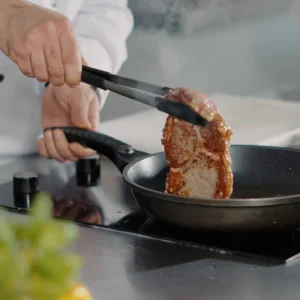
| Tongs | Grabs hot food safely | High |
| Mixing bowls | Holds and mixes ingredients | High |
| Colander | Drains pasta and washes produce | High |
| Instant-read thermometer | Checks if meat is safe to eat | Nice-to-have |
Start with the first six items. Add the rest as your skills grow.
Knives – The Heart of Your Kitchen
A good knife tops any list of the best cooking tools for beginners. It helps you cook faster and keeps your fingers safer. A dull blade needs more force and that force causes slips.
Buy an 8-inch chef’s knife first. It handles most jobs, from onions to chicken. Add a small paring knife for peeling fruit and trimming vegetables.
A serrated bread knife is a useful third pick. It slices bread and tomatoes without crushing them. You can skip fancy knife sets, because most sets include blades you will never use.
Keep your knives sharp. Use a honing steel often and sharpen the blade once or twice a year. Store knives in a block or on a magnetic strip, not loose in a drawer.
Cutting Boards That Protect Your Knives and Your Health
A cutting board gives you a safe, stable surface. Pick a large one, at least 12 by 18 inches. A small board makes a mess and forces you to cut in tight spaces.
Wood and plastic boards both work well. Wood is gentle on knife edges. Plastic is light and easy to clean in the dishwasher.
Use separate boards for raw meat and vegetables. This simple habit stops harmful germs from spreading. Many cooks use one color for meat and another for produce.
Place a damp paper towel under your board. It stops the board from sliding while you chop.
Pots and Pans You Will Use Every Day
You do not need a 20-piece cookware set. Three pieces cover most recipes. Start with a skillet, a saucepan and a large pot.
A 10-inch nonstick skillet is perfect for eggs, pancakes and fish. It needs little oil and cleans up fast. Use wooden or silicone tools on it so the coating lasts.
A 3-quart saucepan with a lid cooks rice, oatmeal and sauces. A 5 to 6-quart pot boils pasta and makes soup. Choose pans with sturdy handles that stay cool.
Later, you can add a cast iron skillet. It sears meat well and lasts for decades. Many home cooks call it the most useful pan they own.
Utensils for Stirring, Flipping and Serving
Utensils do the daily work in your kitchen. You will grab them for almost every meal. Buy a few strong ones rather than a big cheap set.
Here are the basics:
- Silicone spatula: flips food and scrapes bowls clean
- Wooden spoon: stirs sauces and never scratches your pans
- Tongs: turn meat and toss salads with ease
- Whisk: blends eggs, sauces and batters
- Ladle: serves soup and stew without spills
Choose heat-safe materials. Silicone handles high heat well and wood stays cool in your hand. Avoid thin plastic tools because they melt on a hot pan.
Measuring Tools for Better Results
Cooking is art, but baking is science. Exact amounts help your recipes turn out right every time. Measuring tools take the guesswork out of cooking.
Buy a set of dry measuring cups and a set of measuring spoons. Add one glass liquid measuring cup with a spout. Dry and liquid cups measure differently, so do not swap them.
A digital kitchen scale is a smart upgrade. It costs little and gives the most accurate results. Many bakers say a scale improved their bread and cakes overnight.
Bowls, Colanders and Other Prep Helpers
Prep work goes faster with the right helpers. A set of nesting mixing bowls saves space in small kitchens. Stainless steel bowls are light and tough, while glass bowls work in the microwave.
A colander drains pasta and rinses vegetables. A vegetable peeler removes skins in seconds. A box grater shreds cheese and carrots and zests lemons.
You will also want a can opener and a bottle opener. These sound simple, but a broken opener can stop dinner. Buy a sturdy one with a comfortable grip.
Smart Gadgets That Build Confidence
Some small tools remove fear from cooking. They show you when food is done. That helps you cook with less worry.
An instant-read thermometer is the top pick here. It tells you if chicken has reached 165°F (74°C), the safe temperature for poultry. You no longer need to cut open meat to check.
A kitchen timer keeps you on track. Your phone works fine, but a simple timer avoids distractions. Oven mitts and pot holders also matter, since burns are a common beginner injury.
Basic Baking Tools
You may want to bake cookies or banana bread soon. A few extra tools will get you started. You can buy them later, after you feel at ease with stovetop cooking.
Pick up a sheet pan, a muffin tin and a 9-inch cake pan. Add a cooling rack and a roll of parchment paper. Parchment stops sticking and makes cleanup easy.
A rubber spatula folds batter gently. A rolling pin helps with pie crust and cookies. Start with just two or three of these items.
How Much Should You Spend on the Best Cooking Tools for Beginners?
You can build a solid kitchen on a modest budget. Spend more on items you use daily, such as knives and pans. Spend less on simple tools like spoons and bowls.
The table below shows a realistic plan:
| Tool Category | Budget Range (USD) | Where to Save or Splurge |
|---|---|---|
| Chef’s knife | $25 – $60 | Splurge a little |
| Nonstick skillet | $20 – $40 | Mid-range is fine |
| Saucepan and pot | $30 – $70 | Splurge a little |
| Cutting boards | $10 – $25 | Save |
| Utensil set | $15 – $30 | Save |
| Measuring tools | $10 – $20 | Save |
| Thermometer | $10 – $20 | Mid-range is fine |
A full starter kit costs about $150 to $300. Shop sales, check secondhand stores and read reviews before you buy. Many trusted brands sell quality tools at fair prices.
Common Mistakes New Cooks Make
Many beginners waste money in the same ways. Knowing these traps helps you avoid them. Keep this list in mind as you pick the best cooking tools for beginners.
- Buying huge sets. Most sets include pieces you will never touch.
- Choosing looks over quality. A pretty tool that breaks fast costs more in the end.
- Skipping a good knife. A cheap dull blade makes cooking harder and less safe.
- Buying single-use gadgets. Avocado slicers and banana holders take up space.
- Ignoring storage. A cluttered kitchen makes cooking feel like a chore.
Buy slowly. Cook a few meals, then notice what you wish you had. That habit shows you exactly what to buy next.
How to Care for Your Kitchen Tools
Good care makes your tools last for years. It also keeps your food safe. These steps take only a few minutes.
Wash knives by hand and dry them right away. Never put wooden items in the dishwasher, because heat cracks the wood. Skip metal tools on nonstick pans, since they scratch the coating.
Oil your wooden boards once a month with food-safe mineral oil. Season cast iron after each wash. Replace tools when they crack, melt, or rust.
Easy First Meals to Practice With
New tools feel better when you use them. Start with simple recipes that need few steps. Each recipe below trains a useful skill.
Scrambled eggs teach you heat control in a skillet. Pasta with tomato sauce uses your pot, colander and saucepan. A sheet pan dinner with chicken and vegetables needs just one pan and little cleanup.
Try one new recipe each week. Your confidence will grow with every meal. Soon, you will cook without checking the steps.
Conclusion
You do not need a fancy kitchen to cook well. A sharp knife, a sturdy pan and a few helpers go a long way. The best cooking tools for beginners are simple, durable and easy to use.
Start with the must-have items in the table above. Add new tools as your skills grow. Most of all, cook often and enjoy the process.
Frequently Asked Questions
What are the best cooking tools for beginners?
The core items are a chef’s knife, cutting board, nonstick skillet, saucepan, measuring tools, spatula and wooden spoon. Add tongs, mixing bowls and a colander next. These tools cover most basic recipes.
How many kitchen tools does a beginner need?
A beginner needs about 10 to 15 tools to start. You can cook almost any simple meal with that number. Add more only when a recipe calls for them.
Is it worth buying an expensive knife as a beginner?
You do not need a luxury knife. A $25 to $60 chef’s knife from a trusted brand works very well. Focus on a comfortable handle and a sharp edge.
Which pan should a beginner buy first?
Buy a 10-inch nonstick skillet first. It cooks eggs, fish and vegetables with little oil. It is also easy to clean.
Do I need a kitchen scale?
A scale is not required, but it helps a lot. It gives exact amounts, especially for baking. Most models cost under $20.
How do I know when meat is fully cooked?
Use an instant-read thermometer. Chicken and turkey should reach 165°F (74°C). Ground beef should reach 160°F (71°C).