
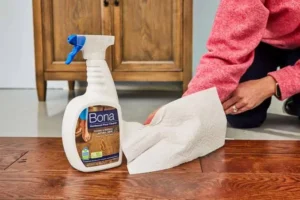
Hardwood floors add warmth, beauty and value to a home, but they need the right cleaning method. Using the wrong product can leave streaks, dull the finish or allow too much moisture to reach the wood.
Hardwood floor wipes can make routine cleaning easier when you choose products made for finished wood surfaces. They can quickly remove dust, light dirt, food marks and small spills without requiring a bucket and heavy mop.
The key is to use the right amount of moisture and avoid cleaners that can damage the protective finish. Flooring manufacturers and cleaning experts generally recommend gentle cleaning, limited moisture, and products designed specifically for wood floors.
What Are Hardwood Floor Wipes?
Hardwood floor wipes are pre-moistened cleaning sheets designed to clean wood flooring. They usually contain a small amount of cleaning solution that helps loosen surface dirt without soaking the floor.
Unlike a traditional wet mop, a ready-to-use wipe gives you better control over moisture. This matters because excess water can cause hardwood to swell, discolor, warp or develop other problems.
Some wipes are disposable, while others come as reusable microfiber pads that work with a spray mop. Your choice should depend on your floor’s finish, cleaning needs, budget and preference for reusable or single-use products.
Are Hardwood Floor Wipes Safe for Wood Floors?
The answer depends on the product and your flooring finish. A wipe labeled specifically for finished hardwood floors is generally a better choice than a general-purpose cleaning wipe.
Before using any product, check the flooring manufacturer’s care instructions. Some hardwood floors have polyurethane finishes, while others use oil, wax, or other protective treatments that require different cleaning methods.
For example, Bona states that its hardwood cleaner is suitable for engineered hardwood and unwaxed, unoiled, polyurethane-finished wood floors. It also recommends avoiding vinegar, wax, soap-based cleaners, and steam cleaners for certain hardwood applications.
This makes the product label important. A cleaner that works well on tile or vinyl may not be appropriate for your hardwood floor.
Benefits of Using Hardwood Floor Wipes
One of the biggest advantages of hardwood floor wipes is convenience. You can grab a wipe, clean a small area, and dispose of it without preparing a bucket or measuring cleaning solution.
They work particularly well for kitchens, entryways, dining areas, and homes with children or pets. These areas often collect small spills and marks that do not require a complete floor cleaning.
Wipes can also help with quick spot cleaning between regular cleaning sessions. Instead of leaving a spill until your next scheduled cleaning, you can remove it quickly before it dries.
Quick Cleaning Without a Bucket
Traditional mopping can require several steps, including filling a bucket, adding cleaner, carrying water and washing the mop afterward. Pre-moistened wipes reduce much of that work.
They are especially useful when you need to clean a small area rather than an entire room. For larger spaces, however, a microfiber mop and appropriate hardwood cleaner may provide better coverage and less waste.
Less Moisture When Used Correctly
Hardwood does not respond well to excessive moisture. Cleaning guidance from Bona recommends using a fine mist or limited cleaner instead of putting large amounts of liquid on the floor.
A properly designed hardwood wipe can provide controlled moisture across the surface. Still, you should never assume that a wet wipe is automatically safe simply because it feels convenient.
What to Look for in Hardwood Floor Wipes
Choosing the right wipe requires more than looking for the word “wood” on the package. Look for a product that clearly identifies hardwood floors as an approved surface.
A pH-neutral or floor-specific formula can be a good choice for many finished wood floors. You should also look for products that do not leave a heavy residue after cleaning.
| Feature | Why It Matters | What to Look For |
|---|---|---|
| Hardwood compatibility | Protects the floor finish | Clearly labeled for hardwood |
| Low moisture | Helps reduce water damage | Lightly damp, not soaking wet |
| Residue-free formula | Reduces dullness and streaks | No heavy wax or oily residue |
| Microfiber material | Gently lifts dirt | Soft, non-abrasive fibers |
| pH-neutral formula | Helps protect finishes | Hardwood-safe pH balance |
| Reusable option | Reduces waste | Machine-washable microfiber pad |
Microfiber is particularly useful because it can lift and trap dirt instead of simply moving particles across the floor. Bona recommends microfiber pads for both dry dusting and wet cleaning of hardwood surfaces.
How to Use Hardwood Floor Wipes Correctly
Using hardwood floor wipes correctly is just as important as choosing the right product. Start by removing loose dust, sand, hair, and grit from the floor.
You can use a soft broom, dry microfiber pad, or suitable vacuum without a damaging beater bar. Removing abrasive particles first helps reduce the chance of scratches during wet cleaning.
Next, test the wipe according to the product instructions. If the wipe leaves excessive moisture behind, use less product or switch to a suitable microfiber cleaning system.
Clean small sections instead of covering the entire floor with liquid. After cleaning, allow the surface to dry naturally and avoid walking heavily across the area until it is dry.
Can You Use Regular Cleaning Wipes on Hardwood?
Regular household cleaning wipes are not always suitable for hardwood floors. Some contain ingredients designed for countertops, bathrooms, or other hard surfaces.
These ingredients may leave residue or affect the floor’s protective finish. Always check the label before using a general-purpose wipe on hardwood flooring.
Floor-specific products are safer because manufacturers formulate them for the characteristics of the intended surface. Bona, for example, advises avoiding multi-surface cleaners, oil soaps, and steam cleaners on wood floors.
Can You Use Disinfecting Wipes on Hardwood Floors?
You should not automatically use disinfecting wipes on hardwood flooring. Many disinfecting products contain chemicals intended for non-porous surfaces and their labels may not approve use on finished wood.
If you need to clean a potentially contaminated area, check both the disinfectant label and your flooring manufacturer’s instructions. Never assume that a product is safe for hardwood just because it is safe for another hard surface.
For everyday cleaning, removing dirt and spills with a hardwood-specific cleaner is often more appropriate than using a strong disinfecting product.
What Ingredients Should You Avoid?
Some cleaning ingredients can create problems when used incorrectly on hardwood. Vinegar is a common example because many homeowners consider it a natural floor cleaner.
Bona specifically advises against vinegar and water on wood floors because vinegar is acidic and can gradually affect the finish. Excess water can also contribute to swelling and discoloration.
You should also be cautious with wax, oil soaps, harsh chemicals, ammonia-based products and steam cleaning unless your flooring manufacturer specifically approves them.
The following table summarizes common concerns:
| Cleaning Product | Hardwood Concern | Better Approach |
|---|---|---|
| Vinegar solution | May affect the finish | Use a hardwood-specific cleaner |
| Excess water | Can cause swelling or warping | Use minimal moisture |
| Steam cleaner | Heat and moisture may damage wood | Use approved dry or damp methods |
| Oil soap | Can leave buildup | Choose a residue-free hardwood cleaner |
| Wax | May create unwanted buildup | Follow flooring manufacturer guidance |
| Harsh chemicals | Can affect finishes | Use a floor-specific formula |
Hardwood Floor Wipes vs. Microfiber Mop
Both options can work well, but they serve different purposes. Wipes offer speed and convenience, while microfiber mops provide better coverage for larger rooms.
A reusable microfiber pad can also reduce ongoing waste and cleaning costs. Some manufacturers recommend microfiber because it effectively lifts dirt while using limited moisture.
| Cleaning Method | Best For | Main Advantage |
|---|---|---|
| Disposable wipes | Small spills and quick jobs | Very convenient |
| Reusable microfiber pad | Regular cleaning | Reusable and gentle |
| Spray mop | Medium and large rooms | Controlled moisture |
| Dry microfiber pad | Daily dust | Removes loose particles |
| Vacuum | Dust and grit | Reaches corners and gaps |
For everyday maintenance, dry dust removal should come before wet cleaning. This simple habit helps prevent dirt and grit from scratching the finish.
How Often Should You Clean Hardwood Floors?
Cleaning frequency depends on traffic, pets, children, and the room’s purpose. High-traffic areas usually need more frequent attention than bedrooms or rarely used spaces.
You can dust or sweep regularly and perform damp cleaning when the floor actually needs it. Bona’s cleaning guidance emphasizes regular dust removal and using wet cleaning only when necessary.
A practical routine might include daily dust removal in busy areas and more thorough cleaning when dirt or spills become visible. You should also clean spills promptly instead of allowing moisture to remain on the floor.
How to Prevent Scratches and Floor Damage
Good cleaning habits can protect hardwood, but prevention also plays an important role. Dirt and grit can act like abrasive particles and gradually wear the finish.
Place mats near exterior doors to reduce the amount of dirt entering your home. Felt pads under furniture legs can also help reduce scratches when furniture moves.
Avoid dragging heavy furniture across the floor. Bona recommends lifting furniture rather than dragging it and keeping protective pads under furniture legs.
Pets can also bring grit inside, so regular cleaning near entrances can help. Keeping pet nails trimmed can further reduce the risk of scratches.
Are Disposable or Reusable Wipes Better?
Disposable wipes are convenient because you can use them once and throw them away. They work well for quick spills, small rooms, and occasional spot cleaning.
Reusable microfiber pads offer a different advantage because you can wash and use them repeatedly. This can reduce waste and make regular cleaning more economical.
Your best choice depends on how frequently you clean and how much floor you need to cover. For frequent whole-room cleaning, reusable microfiber pads often make more practical sense.
Common Mistakes When Cleaning Hardwood Floors
Many hardwood problems come from cleaning habits rather than the flooring itself. Using too much water remains one of the most common mistakes.
Another mistake involves cleaning before removing loose grit. Dirt can move under a mop or wipe and create fine scratches across the finish.
Using the wrong cleaner can also leave streaks or buildup. Bona recommends using cleaners made specifically for wood floors and keeping cleaning pads clean to reduce streaking.
Avoid steam cleaning unless your flooring manufacturer specifically approves it. Steam introduces heat and moisture that can create problems for wood flooring.
Best Cleaning Routine for Hardwood Floors
A simple routine can keep your floor looking clean without exposing it to unnecessary moisture. Start by removing loose dust and grit with a microfiber dusting pad or suitable vacuum.
Then use hardwood floor wipes for small spills and quick spot cleaning. For larger areas, use a suitable hardwood cleaner with a microfiber mop and apply only enough moisture to clean the surface.
Keep your cleaning pad clean as you work. A dirty pad can spread soil and contribute to streaks instead of removing them.
Finally, allow the floor to dry properly. If you consistently use minimal moisture and the correct cleaner, you can reduce unnecessary stress on the finish.
Frequently Asked Questions
Can I use hardwood floor wipes every day?
You can use a hardwood-safe wipe for small spills or dirty spots when needed. However, daily wet cleaning is not always necessary, especially in low-traffic rooms.
Dry dusting can remove loose dirt without exposing the floor to moisture. Clean with a damp product when the surface actually needs it.
Do hardwood floor wipes leave streaks?
Some products can leave streaks if they contain residue or if you use a dirty cleaning pad. Excess cleaner can also make the surface look cloudy.
Choose a hardwood-specific product and follow its instructions. Keeping reusable microfiber pads clean can also help reduce streaking.
Can hardwood floor wipes remove pet stains?
They can help remove fresh surface marks and small spills, but they may not solve stains that have penetrated the finish or wood. Clean accidents as soon as possible to limit moisture exposure.
For deep or persistent stains, follow the flooring manufacturer’s cleaning recommendations rather than repeatedly applying stronger chemicals.
Are hardwood floor wipes safe for engineered wood?
Some products are approved for engineered hardwood, but you should check the product label first. Bona, for example, states that its hardwood cleaner is recommended for certain engineered and polyurethane-finished wood floors.
Can I use vinegar after using hardwood floor wipes?
It is better to avoid vinegar unless your flooring manufacturer specifically recommends it. Some manufacturers warn that vinegar can affect the protective finish over time.
Should I vacuum before using hardwood floor wipes?
Yes, removing loose dirt first is a good practice. Dust, sand, and grit can scratch the finish when you move a cleaning pad across the floor.
Conclusion
Hardwood floor wipes offer a convenient way to handle everyday spills, marks, and small cleaning jobs. Their main advantage comes from controlled moisture and quick use, but the product must match your flooring.
The safest approach combines regular dry dust removal with occasional damp cleaning. Use hardwood-specific products, avoid excessive water, and follow your flooring manufacturer’s care instructions.
Remember that hardwood floors are protected by a finish that needs proper care. Avoid vinegar, harsh cleaners, steam, and excessive moisture unless the flooring manufacturer specifically approves them.


