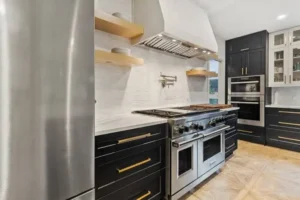

Furnishing a house feels big, but you can start small. Essential home furniture gives every room a clear job, from sleeping to cooking to relaxing.
This guide shows which pieces to buy first and why they matter. You will also find easy tables, smart buying tips and answers to common questions.
Why Essential Home Furniture Comes First
Furniture shapes how you live every day. A good bed helps you sleep and a strong table helps you eat, study and talk.
Start with function, not style. Look at what each room does before you buy anything. Sofas, beds, tables, chairs and storage form the base of a practical home.
You also do not need to fill every room at once. Leave some walls and floor space empty at first, so your home can grow with you. This habit saves money and stops you from buying pieces you never use.
Think of furniture as a set of tools. Each piece should solve a real problem, such as where to sit, where to sleep, or where to keep your clothes.
Living Room Furniture You Need
The living room is where your family relaxes, talks and hosts guests. It needs seating, a few surfaces and some storage. Start with these three groups and you will build a solid base of essential home furniture for family life.
The sofa is the star of this room. Measure your space first and check that the sofa fits through your doors and halls. A well-made sofa often lasts 7 to 15 years, so choose a strong frame and tough fabric.
A coffee table gives you a spot for drinks, books and remote controls. Pick a material that matches how you live. Glass looks light, while wood hides scratches well.
Add a TV unit to hold your screen and cables. Closed doors help hide clutter. Leave about 18 inches of walking space around each piece, so people can move with ease.
| Piece | Main job | Quick tip |
|---|---|---|
| Sofa | Seats family and guests | Measure doors before you buy |
| Coffee table | Holds drinks and books | Choose rounded edges for kids |
| TV unit | Holds the screen and devices | Pick one with cable holes |
| Accent chair | Adds extra seating | Match the height of your sofa |
| Side table | Holds lamps and cups | Keep it within arm’s reach |
Bedroom Furniture for Better Sleep
Your bedroom should help you rest. A calm room with a few smart pieces works better than a crowded one.
The bed frame and mattress come first. Pick a frame that fits your room and a mattress that supports your back. Test the mattress in a store when you can, because comfort differs from person to person.
Next, add a wardrobe or dresser for your clothes. Tall wardrobes use wall height and save floor space. A dresser suits rooms with low ceilings.
Nightstands keep your phone, lamp and glasses close. Choose ones with a drawer to hide small items. If space is tight, a wall shelf can do the same job.
Finally, consider a bench or small chair in a corner. It gives you a place to sit while you put on shoes. Leave enough room on each side of the bed, so you can walk and make it with ease.
Dining and Kitchen Furniture
Meals bring people together, so this space deserves strong pieces. Good essential home furniture here must handle spills, heat and daily use.
A dining table should match the size of your household. Four seats suit most small families, while bigger homes may need six. Pick a surface that wipes clean, such as sealed wood or laminate.
Dining chairs need comfort and support. Sit in them before you buy, since you will use them during long meals. Cushioned seats feel softer, but wooden seats clean up faster.
In the kitchen, add a pantry cabinet or open shelf for dry food and dishes. A small kitchen cart gives you extra counter space. In a tiny apartment, a fold-down table can serve as both a desk and a dining spot.
Home Office, Storage and Entryway Pieces
Many people now work or study at home. A proper setup protects your back and keeps your mind focused.
A desk with room for a laptop and a notebook is the first need. Pair it with a supportive chair that lets your feet rest flat on the floor. Place the desk near a window, so you get natural light.
Bookshelves and cabinets hold papers, books and decor. Tall units use vertical space, which helps small rooms feel larger. Closed cabinets hide mess, while open shelves show off favorite items.
Do not forget the entryway. A shoe rack and a small bench keep the door area tidy. Add a few wall hooks for bags and coats.
If you have a balcony or yard, a small outdoor set with two chairs and a table extends your living space. Choose materials that handle sun and rain.
What to Buy First – A Simple Priority Plan
You may not afford everything at once. Buy in stages and start with the pieces you use every day.
| Stage | What to buy | Why it comes first |
|---|---|---|
| 1. Right away | Bed, mattress, basic storage | You need sleep and a place for clothes |
| 2. Within weeks | Dining table, chairs, sofa | They support meals and family time |
| 3. Within months | Desk, shelves, coffee table | They add comfort and order |
| 4. Later | Accent chairs, outdoor set, decor | They add style once the basics work |
Spend more on items that get daily use, such as mattresses, sofas and chairs. Save money on side tables and decor, because they see lighter use. A smart budget keeps your home useful now and flexible later.
Smart Tips for Buying and Caring for Furniture
Good habits help you shop well. Follow these tips and your essential home furniture will serve you for many years.
Measure twice. Measure the room, the doors, the stairs and the halls. A piece that looks perfect in the store can get stuck at your front door.
Check the build. Look at the frame, joints and legs. Solid wood and metal frames usually last longer than thin boards. Tightly woven fabric with removable covers suits homes with kids or pets.
Match furniture to your life. Busy families need tough fabrics. Pet owners should avoid delicate textures. People who host often may want a larger sofa.
| Material | Best for | Care tip |
|---|---|---|
| Solid wood | Tables, beds, shelves | Wipe spills fast and avoid harsh sun |
| Metal | Frames, outdoor sets | Keep it dry to stop rust |
| Leather | Sofas, chairs | Condition it to prevent cracks |
| Fabric | Sofas, accent chairs | Vacuum often and spot clean |
| Engineered wood | Budget storage | Avoid water and heavy loads |
Good care adds years to any piece. Vacuum your cushions often and rotate them to prevent uneven wear. Fix loose screws early, before they damage the frame.
Conclusion
Furnishing a home works best when you go step by step. Begin with a bed, seating, a table and storage. Every strong home grows from essential home furniture that fits your space and habits.
Add decor later, once the basics work well. Measure with care, spend more on daily-use items and look after each piece. Your home will feel comfortable, tidy and ready for the years ahead.
Frequently Asked Questions
What is essential home furniture for a new home?
It includes a bed, a mattress, a sofa, a dining table with chairs and storage. Add a desk if you work from home.
Which piece should I buy first?
Buy the bed and mattress first. Good sleep matters more than any other comfort.
How long does a sofa last?
A well-made sofa often lasts 7 to 15 years. Regular cleaning and cushion rotation help it last longer.
How much space should I leave between furniture?
Leave about 18 inches for walking paths. Busy rooms feel better with even wider paths.
How can I furnish a small home?
Choose pieces that do two jobs, such as a bench with storage or a fold-down table. Tall shelves save floor space.