
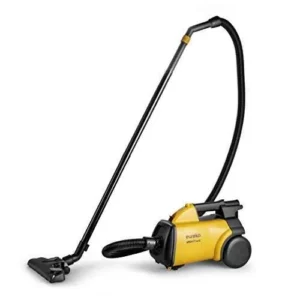
Shopping for a vacuum should not drain your wallet. Many people want a clean home but do not want to pay for fancy extras. This guide shows you how to choose smart and save money.
Finding the best cheap vacuum can feel hard. Store shelves hold hundreds of models. Prices run from about $40 to more than $800.
Why a Cheap Vacuum Can Still Clean Well
A low price does not always mean low quality. Most dirt pickup comes from three simple parts: a motor, a brush, and a filter. Budget brands can build all three well.
Expensive models add extras like apps, screens, and fancy docks. Those extras look nice, but they do not clean better. You can skip them and still get a spotless floor.
Review sites like Wirecutter, TechRadar, and Engadget agree on one idea. Value matters more than the lowest price. A $90 vacuum that lasts five years beats a $40 model that breaks in one.
Know Your Cleaning Needs First
Before you shop, look at your home. Your floors, pets, and space shape the right choice. A quick check saves you money later.
Ask yourself a few simple questions. Do you have carpet, hardwood, or tile? Do pets shed in your home? Do you live in a small flat or a large house?
Your answers point you to the right vacuum type. A student in a dorm needs something very different from a family with two dogs. Match the tool to the job.
Types of Cheap Vacuums Explained
Budget vacuums come in four main styles. Each style has strong points and weak points. The table below shows the differences at a glance.
| Vacuum Type | Best For | Main Strength and Weakness |
|---|---|---|
| Upright (corded) | Carpet and large rooms | Strong suction at low cost, but heavy and hard to store |
| Corded stick | Small homes and quick jobs | Light and easy to carry, but has a small dust bin |
| Cordless stick | Daily touch-ups | No cord to manage, but battery life is short |
| Robot vacuum | Busy people | Cleans on its own, but is weak on thick carpet |
| Handheld | Cars and stairs | Tiny and cheap, but not for whole rooms |
For most shoppers, a corded upright or stick vacuum gives the most power per dollar. A cord means no battery to wear out. You can clean as long as you like.
Cordless models cost more for the same power. The battery adds to the price. Many cheap cordless units also run out of charge in 20 to 30 minutes.
Key Features to Check Before You Buy
Not every feature matters on a small budget. Focus on the ones that change how well the vacuum cleans. Here are the most important ones.
Suction power. Strong suction lifts dirt from deep inside carpet. Brands list power in watts, amps, or air watts. Air watts give the fairest comparison.
Filtration. A good filter traps dust instead of blowing it back into the room. Look for a HEPA or HEPA-style filter if anyone in your home has allergies. Washable filters also save money over time.
Brush roll. A spinning brush loosens hair and dirt from carpet. Some models let you turn the brush off for hard floors. That switch protects wood and tile from scatter.
Dust bin size. A bigger bin means fewer trips to the trash. Small bins fill fast in homes with pets. Aim for at least 0.6 liters.
Weight. A light vacuum is easier on your arms and back. Most cheap uprights weigh 10 to 14 pounds. Stick models often weigh under 8 pounds.
Cord length. A long cord lets you clean a full room without swapping outlets. Look for at least 20 feet. Some budget models fall short here.
Warranty. A longer warranty shows that the maker trusts its product. Many cheap models offer one year. Some offer five years on the motor.
Bagged or Bagless: Which Saves More?
Bagless vacuums use a bin you empty and reuse. You never buy bags, so the running cost stays low. This design suits most budget shoppers.
Bagged vacuums keep dust sealed inside a disposable bag. They are cleaner to empty, which helps people with allergies. However, bags cost money every few months.
Pick bagless if you want to save. Pick bagged if dust makes you sneeze. Either choice can work well at a low price.
Budget Models Reviewers Often Praise
Many review sites share similar names when they list affordable vacuums. Prices change often, so check the current cost before you buy. The models below appear again and again in 2026 guides.
The Shark Navigator line is a common favorite. Reviewers like its lift-away design, which turns an upright into a handy portable cleaner. It handles carpet and hard floors well.
The Eureka PowerSpeed upright also earns praise. It sits in the under-$100 range on many lists. Testers note its light frame and strong pet-hair pickup.
Bissell makes several low-cost uprights and sticks as well. The brand ties some sales to its pet foundation. It also offers solid warranties on many models.
For robots, Eufy and Ecovacs often appear on budget lists. The Eufy HomeVac line also gets mentions for compact handheld cleaning. These suit people who want light daily upkeep.
No single model fits everyone. Treat these names as starting points. Read fresh reviews and compare prices at a few stores.
The Best Cheap Vacuum for Your Home Type
Your home decides which model wins. The table below matches common situations with the right vacuum style. Use it as a quick shortcut.
| Your Situation | Smart Pick | Why It Works |
|---|---|---|
| Small apartment | Corded stick | Light, easy to store |
| Mostly carpet | Corded upright | Deep cleaning power |
| Mostly hard floors | Stick or robot | Gentle, quick passes |
| Pet owners | Upright with pet tool | Strong brush, big bin |
| Allergy sufferers | HEPA upright | Traps fine dust |
| Busy schedule | Budget robot | Cleans while you work |
If you are still unsure, choose a corded upright with a lift-away pod. This style cleans floors, stairs, and furniture. It gives you three tools in one body.
Common Mistakes When Buying a Cheap Vacuum
Many shoppers pick the lowest price and regret it later. Avoid these traps to protect your money. A little care goes a long way.
First, do not trust watt numbers alone. A high number on the box may only show motor draw, not real suction. Check reviews that test pickup on real dirt.
Second, do not ignore replacement parts. Filters, belts, and brushes wear out. Make sure the maker sells them at fair prices.
Third, do not skip the return policy. Test your new vacuum in the first week. Return it fast if it feels weak or noisy.
How to Make a Budget Vacuum Last Longer
A cheap vacuum can last for years with simple care. Small habits protect the motor and keep suction strong. These steps take only minutes.
Empty the dust bin after each use. A full bin cuts airflow and strains the motor. Tap the bin over a trash can to clear fine dust.
Wash the filter every one to three months. Let it dry for a full 24 hours before you put it back. A wet filter can grow mold and harm the motor.
Cut hair and thread from the brush roll often. Tangles slow the brush and can snap the belt. Scissors and a few minutes will fix this.
Check the hose for clogs when suction drops. A coin or sock can block airflow. Clear the blockage and you often restore full power.
Think About Cost Over Time
The sticker price is only part of the story. You also pay for bags, filters, and repairs. Add these costs up before you decide.
A $60 vacuum that dies in a year costs $60 per year. A $120 vacuum that lasts six years costs $20 per year. The second choice saves more, even though it costs more upfront.
Check how long reviewers have used a model. Long-term tests tell you more than first-day reviews. Look for comments about motor life and build quality.
Where to Buy and When to Save
Prices on vacuums move through the year. Big sales happen during Black Friday, Cyber Monday, and Prime Day. Since today is early November, sales season is close.
Compare prices at several stores, including Amazon, Walmart, Target, and the maker’s own site. Open-box and refurbished units can save even more. Many come with a full warranty.
Read the seller’s return policy before you pay. Keep your receipt in a safe place. These steps protect you if the vacuum arrives broken.
Conclusion
You do not need to spend big to keep your home clean. Focus on suction, filtration, weight, and warranty. Ignore flashy extras that raise the price.
The best cheap vacuum matches your floors, your pets, and your space. A corded upright suits most homes, while a stick or robot fits smaller or busier ones. Use the tables above to narrow your list and read fresh reviews before you buy.
Frequently Asked Questions
What is the best cheap vacuum for pet hair?
Choose a corded upright with a strong brush roll and a large bin. Models with a pet tool or turbo brush work well. Look for washable filters to handle dander.
How much should I spend on a budget vacuum?
Most good budget models cost between $80 and $200. You can find decent options under $100. Spending a little more often buys a longer warranty and better parts.
Are cheap vacuums worth buying?
Yes, if you pick wisely. Many low-cost models clean as well as pricey ones. Check reviews, parts costs, and the warranty first.
Is a cordless or corded vacuum better on a budget?
Corded vacuums give more power for the money. Cordless models cost more and have limited battery life. Cordless suits small spaces and quick cleanups.
How long does a cheap vacuum last?
Most last three to eight years with good care. Empty the bin often and wash the filter. Replace belts and brushes when they wear out.
Is the best cheap vacuum a robot or an upright?
It depends on your floors and time. Uprights clean carpet more deeply. Robots save time on hard floors and light daily dust.
Can a budget vacuum help with allergies?
Yes, if it has a HEPA or HEPA-style filter and a sealed body. These features trap fine dust. Empty the bin outside to avoid stirring dust back into the air.