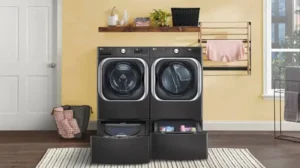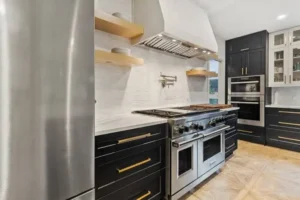

Every home needs basic items to run well. Soap, pans, bulbs, towels and brooms keep daily life smooth.
Many people overspend because they buy without a plan. This guide shows you how to shop for household items with a clear list and a small budget. You will learn what to buy, where to buy it and how to save money.
What Are Household Items?
Household items are products you use inside and around your home. They help you clean, cook, store things, rest and stay safe.
Most items fit into a few groups. The table below shows each group with simple examples.
| Category | Common Examples | Buying Frequency |
|---|---|---|
| Kitchen | Pots, knives, plates, storage boxes | Every few years |
| Cleaning | Detergent, mops, sponges, trash bags | Every month |
| Bathroom | Towels, soap, shower curtains | Monthly to yearly |
| Bedroom | Bedsheets, pillows, blankets, hangers | Every 2–3 years |
| Utility | Bulbs, batteries, extension cords, tools | When needed |
| Safety | First aid kit, smoke alarm, fire extinguisher | Check yearly |
Why Planning Matters Before You Shop for Household Items
A plan saves both time and money. Shoppers who walk into a store without a list often buy things they do not need.
Planning also helps you avoid double buying. You may already own three can openers but still pick up a fourth. A simple list stops this waste.
Step 1 – Make a Clear Shopping List
Start by walking through your home room by room. Check what is broken, worn out, or running low.
Then split your list into two parts: needs and wants. Needs are items you must have, like detergent or a working pot. Wants are nice extras, like decorative baskets.
Buy your needs first. If money is left over, you can pick up a few wants.
Write the list on your phone or on paper. Add the size, brand, or color so you do not guess in the store.
Step 2 – Set a Realistic Budget
A budget keeps your spending under control. Look at your monthly income and decide how much you can spend on home goods.
A simple rule works well for many families. Spend most of the money on daily needs and keep a small amount for replacements.
| Budget Area | Suggested Share |
|---|---|
| Daily supplies (soap, cleaners, bags) | 50% |
| Replacements (towels, pans, bulbs) | 30% |
| Upgrades and extras | 10% |
| Emergency fund for repairs | 10% |
These numbers are only a guide. Change them to match your family size and income.
Step 3 – Choose the Right Place to Buy
Where you buy matters as much as what you buy. Each option has strengths and weak points.
Local stores let you see and touch an item first. You can check the weight, the material and the finish. You also take the item home right away.
Online stores offer more choices and easy price checks. When you shop for household items online, you can compare many sellers in minutes. You can also read reviews from real buyers.
Wholesale stores sell large packs at lower prices per unit. They work well for items you use often, like tissues and detergent.
| Option | Best For | Main Downside |
|---|---|---|
| Local store | Items you want to test first | Fewer choices, higher prices |
| Online store | Comparing prices and reading reviews | Shipping time, return hassle |
| Wholesale store | Bulk daily supplies | Needs storage space |
| Local market | Bargains and fresh finds | Quality can vary |
How to Judge Quality Before You Pay
Cheap items often break fast. A pan that costs half the price but lasts one-third as long is not a deal.
Check the material first. Stainless steel, cast iron and thick glass tend to last longer than thin plastic. Heavier items often use better materials, though this is not always true.
Next, read the label. Look for the size, the care steps and any safety marks. For kitchen goods, check that the item is food safe.
Finally, read reviews with care. Focus on comments from people who used the item for months. Ignore reviews that sound fake or too perfect.
Smart Ways to Save Money
You can cut costs without lowering quality. A few habits make a big difference.
Compare unit prices. A large bottle may look cheaper, but the price per liter tells the real story. Most stores print this number on the shelf tag.
Buy during sales. Many stores cut prices during seasonal events, holiday weeks and end-of-season clearances. If you plan to shop for household items in large amounts, these sales are the best time. In many places, November and December bring big discounts.
Use coupons and loyalty cards. Small savings add up over a year. Sign up for store newsletters to get early offers.
Skip the brand name when you can. Store brands often match name brands for basic goods like trash bags and sponges.
Choose Eco-Friendly and Safe Products
Many shoppers now want products that are kind to the planet. Reusable items cut waste and often save money over time.
Consider cloth towels instead of paper ones. Choose refillable soap bottles and long-lasting bulbs. LED bulbs use less power than old bulbs and last much longer.
Safety counts too. Keep cleaning products in their original bottles and store them away from children and pets. Never mix bleach with other cleaners, because the fumes can be harmful.
Common Mistakes to Avoid
Even careful buyers make errors. Knowing them helps you avoid them.
The first mistake is shopping while hungry or tired. You make weaker choices and grab extra items. The second is ignoring the return policy, which can leave you stuck with a bad product.
The third mistake is buying a full set when you need one piece. A 20-piece pan set looks like a bargain, but you may use only three pans. Buy only what you will use when you shop for household items.
Another common error is skipping measurements. Measure your shelves, cabinets and doorways before you buy storage or furniture. A box that does not fit is a wasted purchase.
A Simple Starter Checklist by Room
New homes need many items at once. This short checklist helps you begin.
- Kitchen: two pots, one frying pan, knives, plates, cups and storage boxes
- Bathroom: towels, soap, toilet brush and a small trash bin
- Bedroom: two sets of bedsheets, pillows and hangers
- Cleaning: broom, mop, bucket, detergent and trash bags
- Safety: first aid kit, flashlight and extra batteries
Start with these basics. Add more items slowly as your needs become clear.
Conclusion
Good home shopping is not about spending more. It is about spending wisely. Make a list, set a budget and compare prices before you pay.
When you shop for household items with a plan, you save money and avoid clutter. You also build a home that is clean, safe and comfortable. Use the tips in this guide on your next trip and you will see the difference.
Frequently Asked Questions
What is the best way to shop for household items on a budget?
Make a list, set a spending limit and compare prices at two or three stores. Buy daily supplies in bulk and wait for sales on bigger items.
Is it better to shop for household items online or in stores?
Both work well. Online shopping gives you more choices and easy price checks, while stores let you inspect the item before you buy.
How often should I replace common household items?
Sponges need replacing every few weeks. Towels last one to two years and bedsheets last two to three years. Check smoke alarm batteries once a year.
What household items should I buy first for a new home?
Start with cooking basics, cleaning supplies, bedsheets, towels and safety items. These cover your daily needs from the first day.
How can I tell if a household product is good quality?
Check the material, weight and label. Read long-term reviews and look for safety marks. Durable materials usually give better value over time.