Parquet wood floors bring warmth, beauty and style to any home. Their unique patterns create an elegant look, but dust, dirt, spills and daily foot traffic can slowly affect their appearance.
Many homeowners worry about cleaning parquet because wood can react badly to excess water and harsh cleaning products. The best way to protect parquet flooring is to remove dust regularly, use a suitable wood floor cleaner and keep moisture to a minimum.
Learning how to clean parquet wood floors correctly can help you maintain their natural beauty and reduce the risk of scratches, stains and surface damage. With a simple cleaning routine, you can keep your floors looking attractive without spending hours on maintenance.
This guide explains the right cleaning methods, the products to avoid and the daily habits that help parquet floors last longer.
What Are Parquet Wood Floors?
Parquet flooring consists of small pieces of wood arranged in decorative patterns. Common designs include herringbone, chevron, basket weave and square patterns.
Unlike ordinary straight wood planks, parquet flooring uses different wood pieces to create a detailed design. This construction makes it important to clean the floor carefully, especially around the joints where dust and dirt can collect.
Parquet floors may have lacquered, oiled, waxed or other protective finishes. The correct cleaning method depends on the type of finish, so always check the flooring manufacturer’s care instructions before using a new product.
Why Is Proper Parquet Floor Cleaning Important?
Regular cleaning removes dust, dirt and small particles that can scratch the protective surface. When people walk across a dirty floor, these particles may rub against the finish and gradually make it look dull.
Moisture can also cause problems because wood absorbs water. Excess water may lead to swelling, raised edges, discoloration or damage to the floor’s finish.
A suitable cleaning routine helps protect the wood and maintain its appearance. It also prevents dirt from building up in corners and between the parquet pieces.
The National Wood Flooring Association recommends regular sweeping, dust mopping or vacuuming and advises against wet mopping and steam cleaning wood floors. These methods help reduce the risk of moisture-related damage.
How to Clean Parquet Wood Floors Step by Step
Cleaning parquet does not require complicated equipment or expensive treatments. Follow these simple steps to remove dirt while protecting the wood’s surface.
Step 1 – Remove Dust and Loose Dirt
Start by removing loose dirt before using any cleaning liquid. Dust, sand, hair and small particles can scratch the floor when a mop pushes them across the surface.
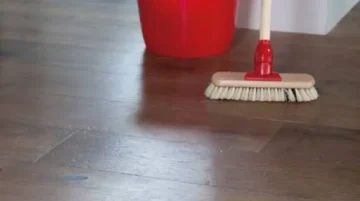
Use a soft-bristled broom or a microfiber dust mop to collect the dirt. You can also use a vacuum cleaner with a suitable hard-floor setting and a soft brush attachment.
Move carefully around the parquet pattern and pay attention to corners and joints. Avoid using a vacuum’s rotating beater bar if it could scratch the floor or damage its finish.
For busy areas, such as hallways and living rooms, remove dust daily or whenever you notice dirt collecting.
Step 2 – Choose the Right Wood Floor Cleaner
After removing loose dirt, choose a cleaner designed for your specific type of parquet finish. A suitable wood floor cleaner removes everyday grime without leaving a heavy residue.
Check the product label to confirm that it is safe for your flooring. Some products work well on lacquered wood but may not suit oiled or waxed surfaces.
Avoid using strong household cleaners unless the flooring manufacturer specifically approves them. Bleach, ammonia, abrasive powders and unsuitable multipurpose products may damage the finish or change the floor’s appearance.
A cleaner made for your floor’s finish is generally a safer choice than experimenting with homemade cleaning mixtures.
Step 3 – Use a Slightly Damp Microfiber Mop
Once you have removed the dust, use a microfiber mop to clean the surface. Apply the recommended cleaner sparingly and follow its instructions.
If your cleaning method requires water, use only a small amount and make sure the mop is well wrung out. The floor should never become soaked or develop puddles during cleaning.
Work in manageable sections so you can remove dirt without spreading it around. Clean along the wood pieces where practical and avoid leaving moisture in the joints.
Step 4 – Remove Spills Immediately
Spills require quick attention because liquids can seep into joints or damage the finish if they remain on the surface. This is especially important for drinks, sauces and other liquids that may leave stains.
Use a clean, soft cloth to absorb the spill. Then wipe the area with a slightly damp cloth if the flooring instructions allow it and dry the surface thoroughly.
Avoid rubbing spills with rough materials because they may scratch the protective coating. Never leave standing water on parquet flooring, even if the floor appears well sealed.
Step 5 Check the Floor After Cleaning
After cleaning, inspect the floor for damp patches, streaks or leftover dirt. Use a clean, dry microfiber cloth to remove any remaining moisture.
Allow the floor to dry naturally with suitable room ventilation. Avoid placing rugs over damp areas because trapped moisture may affect the finish.
If the surface looks cloudy after cleaning, check whether you used too much cleaner or the wrong product. Repeatedly adding more cleaning solution may make residue worse rather than improve the result.
What Is the Best Way to Clean Parquet Wood Floors Without Damage?
The safest cleaning routine combines regular dry cleaning with occasional damp cleaning. You do not need to wash parquet with large amounts of water to remove ordinary household dirt.
Choose a soft microfiber mop, a suitable wood floor cleaner and a vacuum attachment designed for hard floors. These tools help remove dirt without unnecessary friction or moisture.
The following table compares common cleaning methods and their suitability for parquet flooring.
| Cleaning Method | Suitable for Parquet? | Important Precaution |
|---|---|---|
| Microfiber dust mop | Yes | Clean the mop pad regularly |
| Soft-bristled broom | Yes | Avoid stiff or abrasive bristles |
| Vacuum with a soft brush | Yes | Disable the rotating beater bar if needed |
| Slightly damp microfiber mop | Usually, if finish instructions allow | Use minimal moisture |
| Wet mop | No, generally avoid | Excess moisture can damage wood |
| Steam cleaner | Avoid | Steam can damage wood and its finish |
| Abrasive scrubber | Avoid | May scratch or wear the finish |
Always follow the flooring manufacturer’s instructions if they differ from general wood floor cleaning advice.
How to Clean Different Types of Parquet Finishes
Not every parquet floor needs the same cleaning products. Understanding the finish helps you choose an appropriate cleaning method and avoid unnecessary damage.
Cleaning Lacquered Parquet Floors
Lacquered parquet has a protective coating over the wood. This coating helps resist everyday dirt and minor spills, but it does not make the floor waterproof.
Remove dust regularly and use a cleaner approved for lacquered wood flooring. Apply the product according to its instructions and avoid abrasive pads that may scratch the coating.
If the surface becomes dull, check whether the finish needs an approved maintenance product or professional attention. Do not apply polish without confirming that it is compatible with the existing coating.
Cleaning Oiled Parquet Floors
Oiled parquet has a finish that penetrates the wood and helps highlight its natural appearance. These floors may need special cleaning products and occasional maintenance oil, depending on the manufacturer’s recommendations.
Use a cleaner designed for oiled wood and keep moisture to a minimum. Avoid strong detergents that may affect the oil finish or leave an unwanted residue.
When the floor begins to look dry or worn, consult the care instructions before applying maintenance oil. Using the wrong product can create an uneven appearance or make future maintenance more difficult.
Cleaning Waxed Parquet Floors
Waxed parquet requires careful treatment because unsuitable cleaners can remove the wax or change the surface’s appearance. Dust the floor regularly and use products specifically approved for waxed wood.
Avoid excessive water and ordinary detergents unless the flooring instructions permit them. Do not apply additional wax simply because the floor looks dull, as excess layers can collect dirt and create buildup.
If you are unsure whether the floor has a wax, oil or lacquer finish, ask a flooring professional before deep cleaning it.
Which Cleaning Products Should You Avoid on Parquet Floors?
The wrong cleaning product can gradually damage a parquet floor, even when you use it with good intentions. Some products leave residue, while others may weaken the finish or expose the wood to unnecessary moisture.
Avoid the following products unless your flooring manufacturer specifically approves them:
- Bleach and ammonia: These strong products may damage certain finishes or change the floor’s appearance.
- Vinegar solutions: Their acidity can affect some protective coatings, so they are not a universal wood floor cleaning solution.
- Abrasive powders: These may scratch the surface and make the floor look dull.
- Oil-based furniture polish: It may leave a slippery residue or create problems when the floor needs refinishing.
- Excessive water: It can enter the joints and cause swelling or other moisture damage.
- Steam cleaners: Heat and moisture can damage the wood, joints, or protective finish.
Instead of testing different household mixtures, select a product intended for your floor type. Read its label carefully and follow the recommended amount and application method.
How Often Should You Clean Parquet Wood Floors?
The best cleaning schedule depends on foot traffic, household activity, pets and the amount of dirt entering your home. Areas near entrances and kitchens usually need more attention than rooms that receive little use.
Regular dust removal helps prevent scratches, while damp cleaning removes dirt that dry methods cannot collect. You should also clean spills as soon as they occur.
Use this schedule as a starting point and adjust it to your home’s needs.
| Cleaning Task | Suggested Frequency | Purpose |
|---|---|---|
| Remove dust and loose dirt | Daily or as needed | Prevents dirt from scratching the surface |
| Vacuum corners and joints | Weekly or as needed | Removes hidden dirt and hair |
| Damp clean the floor | When needed | Removes marks and surface grime |
| Wipe up spills | Immediately | Reduces the risk of stains and moisture damage |
| Inspect the finish | Every few months | Helps identify wear or damage early |
These timings are general guidelines rather than strict rules. A floor in a busy household may need more frequent cleaning, while a lightly used room may need less.
How to Remove Common Stains From Parquet Floors
Stains need careful treatment because aggressive scrubbing can damage the finish. Start with the mildest cleaning method approved for your flooring.
Removing Food and Drink Stains
Absorb fresh spills with a soft cloth and clean the remaining mark with a suitable wood floor cleaner. Dry the area thoroughly and avoid letting sugary or colored liquids remain on the surface.
If a stain remains, check the flooring manufacturer’s advice before trying a stronger product. Some stains may have entered the wood rather than remaining on the finish.
Removing Mud and Dust Marks
Allow wet mud to dry enough for easy removal, then lift it gently with a soft brush or cloth. Vacuum the remaining particles before cleaning the mark with an approved floor cleaner.
Avoid dragging gritty mud across the floor because it may scratch the surface. Clean the area with minimal moisture and dry it afterward.
Removing Sticky Residue
Use a cleaner approved for your parquet finish and apply it according to the product instructions. Let the cleaner work for the recommended time, if specified, before wiping the residue away.
Do not scrape the floor with metal tools or use harsh solvents without professional guidance. If the sticky substance remains, contact a flooring specialist for advice.
Dealing With Dark Marks or Water Damage
Dark marks may indicate a damaged finish, a deep stain or moisture that has entered the wood. Ordinary surface cleaning may not remove these marks.
Avoid repeatedly soaking or scrubbing the affected area. A flooring professional can assess whether the floor needs spot treatment, repair, sanding or refinishing.
Common Mistakes to Avoid When Cleaning Parquet
Even a regular cleaning routine can cause damage if you use unsuitable tools or too much liquid. Avoiding a few common mistakes can make floor maintenance easier.
First, never assume that a wooden floor can handle the same cleaning method as ceramic tiles. Wood responds differently to moisture, heat and certain chemicals.
Second, avoid dragging furniture across the floor. Lift furniture when possible and attach suitable felt protectors to its legs to reduce scratches.
Finally, do not ignore small spills or wait until dirt forms a thick layer. Frequent, gentle cleaning is usually safer than aggressive deep cleaning after dirt has built up.
Tips to Keep Parquet Wood Floors Clean for Longer
Good maintenance starts before you reach for a mop. Simple habits can reduce the amount of dirt and moisture that reaches the floor.
Place doormats at entrances to catch grit and moisture from shoes. Keep the mats clean so they do not transfer dirt back onto the parquet.
Use felt pads under furniture legs and lift heavy items instead of dragging them. Clean up spills promptly and consider removing outdoor shoes before walking across the floor.
Keep pet claws trimmed and use suitable rugs in busy areas where the flooring instructions permit them. Check rugs and their backing materials to make sure they will not scratch, discolor or trap moisture against the wood.
These small steps reduce everyday wear and help preserve the floor’s appearance between deeper cleaning sessions.
Conclusion
Keeping parquet flooring attractive does not require harsh chemicals or complicated cleaning equipment. A regular routine of dust removal, careful damp cleaning and prompt spill cleanup can help protect the wood and its finish.
The key to learning how to clean parquet wood floors is understanding that less moisture, suitable cleaning products and gentle tools are essential for safe maintenance. Always consider your floor’s finish before choosing a cleaning method.
By following these practical steps and preventing unnecessary scratches, you can maintain the natural beauty of parquet flooring for years.
Frequently Asked Questions
1. Can I Clean Parquet Wood Floors With Water?
You can use a slightly damp mop on many finished parquet floors when the manufacturer’s instructions allow it. Use minimal moisture, avoid puddles and dry the surface promptly.
Never assume that sealed parquet is waterproof. Excess water can still enter joints or damage worn areas of the finish.
2. Is Vinegar Safe for Parquet Wood Floors?
Vinegar is not a universally safe cleaner for parquet flooring. Its acidity may affect certain finishes, so a cleaner designed for your floor is generally a better choice.
Check the manufacturer’s instructions before using homemade cleaning solutions.
3. Can I Use a Steam Cleaner on Parquet?
You should generally avoid steam cleaners on parquet wood floors. Heat and moisture can damage the finish, enter the joints and cause problems with the wood.
Use a dry microfiber mop or a suitable wood floor cleaning method instead.
4. How Can I Make Parquet Floors Look Shiny Again?
Start by removing dust and cleaning the floor with a suitable product. If the floor still looks dull, the finish may have residue, scratches or wear that ordinary cleaning cannot fix.
Use a polish or refresher only if the manufacturer confirms that it suits your existing finish. Severely worn floors may require professional refinishing.
5. How Do I Clean Parquet Floors Without Leaving Streaks?
Use the correct amount of an approved cleaner and avoid applying too much liquid. Dirty mop pads and leftover cleaning product can also create streaks.
Clean the floor in small sections and follow the product’s instructions for removing residue.
6. Can I Use a Regular Floor Cleaner on Parquet?
Not every regular floor cleaner is suitable for parquet wood flooring. Some products contain ingredients that may damage the finish or leave a dull film.
Choose a cleaner specifically approved for your flooring type and finish.
7. How Do I Clean Parquet Floors With Pets at Home?
Remove pet hair and dust regularly with a microfiber mop or a suitable vacuum attachment. Clean muddy paw prints and spills promptly, using an approved wood floor cleaner.
Place mats near entrances and use furniture protectors to help reduce scratches and everyday wear.
8. When Should Parquet Floors Be Professionally Refinished?
Professional refinishing may be necessary when the protective finish becomes badly worn, deep scratches appear or stains remain after suitable cleaning. The right treatment depends on the wood, finish and thickness of the flooring.
Ask a qualified flooring professional to inspect the surface before sanding or applying a new finish.