
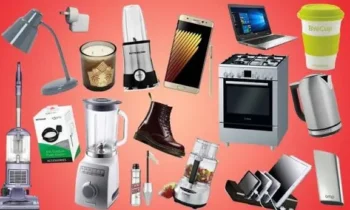
Every home contains many items that people use daily without giving them much thought. Common household objects support cooking, cleaning, storage, comfort, safety and personal care.
Some objects look simple, but they make daily life easier and more organized. Understanding these items can help you use them better and keep your home functional.
What Are Common Household Objects?
Common household objects are everyday items found in homes for practical and personal use. They include furniture, kitchen tools, cleaning supplies, storage items and personal care products.
A chair, spoon, towel, broom and light bulb are simple examples. Each object has a purpose that helps people complete daily tasks.
Most homes contain similar basic items, although styles and quantities can vary. A small apartment may have fewer objects than a large family home.
Common household objects can be grouped by their main use and the room where people keep them. This simple method makes it easier to understand and organize household items.
Why Household Objects Are Important in Daily Life
Household objects help people save time, stay comfortable and manage daily routines. Without basic items, simple tasks can become harder and slower.
For example, cookware helps prepare food, while cleaning tools remove dirt and dust. Storage items also help reduce clutter and protect important belongings.
Modern homes may include smart devices, but basic objects remain essential. A reliable broom or towel can still provide great value.
The usefulness of an object depends on its design, quality and intended purpose. Choosing the right item can improve convenience and reduce waste.
Common Household Objects by Room
Different rooms contain objects designed for specific activities. The kitchen supports food preparation, while the bedroom focuses on rest and comfort.
The table below shows how everyday household items often fit into different areas of a home.
| Room | Common Objects | Main Purpose |
|---|---|---|
| Kitchen | Plates, pots, knives, spoons | Food preparation and serving |
| Living Room | Sofa, table, lamp, remote | Comfort and relaxation |
| Bedroom | Bed, pillow, wardrobe, mirror | Rest and personal storage |
| Bathroom | Towel, soap, toothbrush, bucket | Personal hygiene |
| Laundry Area | Basket, detergent, iron | Washing and clothing care |
| Garage or Storage | Toolbox, boxes, ladder | Storage and maintenance |
These categories can overlap because people sometimes move objects between rooms. A storage basket, for example, may work in a bedroom, bathroom, or living room.
Common Kitchen Objects and Their Uses
The kitchen contains some of the most frequently used items in a home. People use these tools to prepare, cook, store and serve food.
Basic kitchen objects include pots, pans, plates, bowls, cups, knives and spoons. A well-organized kitchen can make cooking safer and more efficient.
Cutting boards protect counters and provide a stable surface for food preparation. Measuring cups and spoons also help people follow recipes more accurately.
Food storage containers help keep leftovers organized and reduce food waste. Airtight containers can also protect dry ingredients from moisture and pests.
Small appliances have also become common in modern kitchens. Blenders, toasters, coffee makers, air fryers and microwaves can simplify daily cooking.
Everyday Living Room Objects
The living room usually serves as a place for relaxation and social time. Furniture and entertainment items make this space comfortable and useful.
A sofa or chair provides seating, while a coffee table holds drinks, books and small items. Lamps provide extra light for reading or relaxing.
Many homes also keep televisions, remote controls and speakers in this room. Rugs, curtains and decorative objects can improve comfort and appearance.
Common household objects in the living room often combine practical use with visual style. People choose these items based on space, comfort and personal taste.
Storage baskets can hold blankets, toys, magazines and other loose items. This helps keep the room neat without requiring large furniture.
Essential Bedroom Objects
The bedroom contains items that support rest, privacy and personal storage. A bed is the central object in most bedrooms.
Pillows, sheets, blankets and comforters help create a comfortable sleeping environment. Their materials and thickness can affect warmth and comfort.
Wardrobes, dressers and closets provide storage for clothing and personal belongings. Hangers help keep clothes organized and reduce wrinkles.
A bedside table can hold a lamp, alarm clock, book, or phone. Some people also use bedroom mirrors for dressing and personal care.
Keeping bedroom objects organized can make the space feel calmer. Too much clutter may make it harder to find important items quickly.
Bathroom Objects Used Every Day
Bathrooms contain items designed for hygiene and personal care. Towels, soap, toothbrushes, toothpaste and toilet paper are basic examples.
A shower curtain or door helps keep water inside the bathing area. Bath mats can reduce water on the floor and improve comfort.
Storage cabinets hold personal care products and cleaning supplies. Containers and organizers can keep small items from becoming messy.
A plunger and toilet brush may not look attractive, but they serve important purposes. Every home should store basic bathroom maintenance tools safely.
Common Cleaning Objects in the Home
Cleaning tools help remove dust, dirt, spills and other unwanted materials. These items are important for maintaining a neat and comfortable home.
A broom works well for sweeping many hard floors. A dustpan collects the dirt after sweeping.
Mops help clean sealed floor surfaces when used correctly. Microfiber cloths can pick up dust and help clean many surfaces.
Vacuum cleaners remove dirt from carpets, rugs and some hard floors. Their usefulness depends on the machine type and floor surface.
| Cleaning Object | Main Use | Best Practice |
|---|---|---|
| Broom | Sweeping hard floors | Clean the bristles regularly |
| Mop | Washing suitable floors | Avoid leaving excess water |
| Vacuum | Removing dust and debris | Empty or maintain the collection system |
| Microfiber Cloth | Wiping surfaces | Wash after repeated use |
| Dustpan | Collecting swept dirt | Store in a dry area |
| Scrub Brush | Removing tough dirt | Use the right brush for each surface |
Common household objects for cleaning should match the surface you want to clean. Using the wrong tool can waste time or damage delicate materials.
For more detailed advice, you can also read our internal guide on how to sanitize floors.
Storage Objects That Reduce Clutter
Storage objects help people control clutter and make better use of available space. Boxes, baskets, bins, shelves and containers are common examples.
Clear containers can make it easier to identify stored items. Labels can also save time when several similar containers are present.
Closet organizers help separate clothing, shoes and accessories. Drawer dividers can organize small objects that often become mixed together.
Storage solutions should fit the available space and the weight of stored items. Strong shelves are especially important for heavier household belongings.
A good storage system does not need to be expensive. Simple boxes and reusable containers can provide useful organization.
Common Household Objects for Safety
Some everyday objects help protect people and property from danger. These items may remain unused for long periods, but they are still important.
Smoke alarms can warn people about possible fires. Fire extinguishers can help control certain small fires when used correctly and safely.
Flashlights provide light during power outages or emergencies. Basic first-aid supplies can also help with minor injuries.
Door locks and window locks provide an added level of home security. Safety objects should remain easy to access when an emergency happens.
People should also check safety equipment regularly. A device cannot provide reliable protection if its batteries or components fail.
Furniture as Everyday Household Objects
Furniture supports many daily activities inside the home. Tables provide work and eating surfaces, while chairs provide seating.
Beds support sleep and shelves provide storage. Cabinets protect dishes, food, documents and other belongings.
Furniture should fit both the available space and the intended use. A large sofa may look attractive but can make a small room feel crowded.
Durability is another important factor when choosing furniture. Frequently used objects should handle regular use without becoming unsafe.
Personal Care and Utility Items
Personal care items support hygiene, grooming and daily routines. Examples include combs, hairbrushes, razors, mirrors and nail care tools.
These objects may be small, but people often use them every day. Proper storage can keep them clean and easy to find.
Utility items include scissors, tape, batteries, extension cords and basic tools. These objects help with small household tasks and quick repairs.
It is helpful to keep frequently needed tools in one organized location. This can reduce the time spent searching for them.
How to Organize Common Household Objects
Start by grouping similar items together. Keep cleaning tools together and store kitchen tools near the areas where you use them.
Remove damaged or unnecessary objects when possible. Regular decluttering can make household organization easier and improve available storage space.
Use shelves and containers to separate different categories. Labels can help family members return items to the correct location.
Keep frequently used items within easy reach. Store rarely used or seasonal items in higher or less accessible spaces.
A simple organization system usually works better than a complicated one. People are more likely to maintain a system they can follow easily.
How to Choose Better Household Items
When buying household items, focus on usefulness before appearance. An attractive object has limited value if it does not meet your needs.
Consider material, size, durability and ease of cleaning. These factors can affect how long an object remains useful.
Read product details before buying appliances or specialized tools. Reviews can also provide useful information about real-world use.
Avoid buying duplicate items without a clear purpose. Too many unnecessary objects can create clutter and waste money.
You can also explore our guide on what are household items for a broader look at essential home products.
Simple Household Objects That Make Life Easier
Some of the most useful items in a home are simple and inexpensive. Hooks, baskets, reusable cloths, storage containers and measuring tools can solve everyday problems.
A small step stool can help reach high shelves safely. A laundry basket can make clothing collection easier.
Kitchen timers can help people track cooking time. Power strips can provide convenient access to multiple electrical devices when used safely.
These examples show why common household objects do not need advanced technology to provide value. Good design and proper use often matter more than complexity.
Caring for Everyday Household Items
Proper care can extend the useful life of many household objects. Clean items according to their material and intended use.
Dry tools after washing to reduce moisture-related damage. Store metal objects in suitable conditions to help prevent rust.
Follow manufacturer instructions for appliances and electrical products. Regular maintenance can improve performance and help identify problems early.
Replace objects that become unsafe or no longer work properly. Damaged electrical cords and broken furniture should receive special attention.
Taking care of common household objects can also reduce unnecessary replacement costs. Small maintenance habits often make a meaningful difference over time.
Common Household Objects and Smart Home Technology
Technology has changed the way people use some household items. Smart lights, speakers, plugs and security devices can add automation and remote control.
However, traditional objects still remain important in modern homes. A smart device cannot replace every basic tool used for cleaning, cooking, or storage.
The best home setup often combines useful technology with dependable traditional items. People should choose devices based on real needs rather than trends alone.
Common household objects continue to evolve as homes become more connected and efficient. The basic purpose of most items, however, remains the same.
Frequently Asked Questions
What are the most common household objects?
Some of the most common items include chairs, tables, beds, plates, cups, towels, brooms, lamps and storage containers. Most homes also contain cleaning tools and personal care items.
Why are common household objects important?
They help people complete daily activities such as cooking, cleaning, resting, storing belongings and maintaining personal hygiene. Without these objects, many simple tasks would take more time.
How can I organize household objects better?
Group similar items together and store them near where you use them. Use shelves, containers and labels to keep categories easy to identify.
What household items should every home have?
Most homes benefit from basic furniture, kitchen tools, cleaning supplies, towels, storage containers, lighting and safety equipment. The exact needs depend on the home’s size and the people living there.
How often should I replace household objects?
Replace items when they become damaged, unsafe, or no longer work effectively. Some objects last for many years, while others require regular replacement.
Are smart devices considered household objects?
Yes, smart speakers, smart lights and smart plugs can be household objects. They simply use technology to provide additional features or automation.
Conclusion
Every home depends on many useful items that support daily life. From a spoon and towel to a bed and vacuum, each object can serve a practical purpose.
Understanding common household objects can help you organize your home and make smarter buying decisions. Focus on useful, durable and easy-to-maintain items for better long-term value.
The best household setup depends on your lifestyle, space and daily needs. By choosing the right common household objects, you can create a home that feels organized, comfortable and ready for everyday life.


