
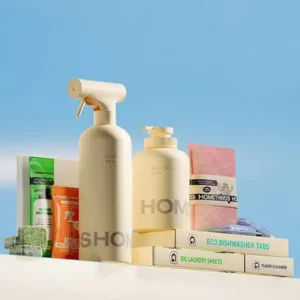
Keeping a home clean does not require dozens of expensive bottles. The right home things cleaning products can help you remove dirt, grease, stains, dust and germs from everyday surfaces.
A smart cleaning routine starts with understanding what each product does. You can save money, reduce clutter and clean more effectively when you choose products based on the surface and type of dirt.
What Are Home Cleaning Products?
Home cleaning products include items designed to clean floors, kitchens, bathrooms, windows, furniture, appliances and fabrics. Common examples include all-purpose cleaners, dish soap, glass cleaners, laundry detergents, disinfectants and floor cleaners.
The best home things cleaning products should match the cleaning task instead of simply promising to clean everything. A product made for glass may work poorly on greasy kitchen surfaces, while a strong bathroom cleaner may damage delicate materials.
Cleaning also differs from sanitizing and disinfecting. The EPA explains that cleaning removes dirt and organic matter, while sanitizing and disinfecting use chemicals to reduce or kill certain microorganisms.
Why Choosing the Right Cleaning Products Matters
Choosing the correct cleaner can make household chores faster and easier. It can also help protect surfaces from damage caused by unsuitable chemicals or excessive scrubbing.
A good cleaning product should provide useful results without creating unnecessary problems. Always read the product label and follow its directions before using a cleaner.
You should also consider ingredients, fragrance, surface compatibility and storage requirements. The EPA’s Safer Choice program evaluates ingredients and other product factors before allowing products to carry its label.
Essential Home Things Cleaning Products for Everyday Use
You do not need a large collection of cleaners to maintain a clean home. A small group of versatile products can handle most everyday cleaning jobs.
| Cleaning Product | Main Use | Common Areas |
|---|---|---|
| All-purpose cleaner | Removes everyday dirt | Counters, tables, sinks |
| Dish soap | Removes grease and food | Dishes, sinks, washable surfaces |
| Glass cleaner | Removes marks and fingerprints | Windows, mirrors, glass |
| Floor cleaner | Cleans flooring | Tile, vinyl, sealed floors |
| Bathroom cleaner | Removes soap and grime | Tubs, sinks, showers |
| Laundry detergent | Cleans fabrics | Clothes, towels, bedding |
| Disinfectant | Kills specified germs | Suitable hard surfaces |
| Microfiber cloths | Picks up dust and dirt | Most household surfaces |
These home things cleaning products cover many basic cleaning needs without forcing you to buy a separate bottle for every room.
However, always check the label before applying a product to a new surface. Some cleaners can damage natural stone, unfinished wood, delicate finishes or electronic equipment.
All-Purpose Cleaner for Everyday Messes
An all-purpose cleaner is one of the most useful products in a home. It can help remove light dirt, dust, fingerprints and everyday spills from compatible surfaces.
Many people use these cleaners on kitchen counters, tables, sinks and other washable areas. However, an all-purpose cleaner does not automatically work safely on every material.
Check the label for approved surfaces before use. When you are unsure, test the product on a small hidden area first.
Dish Soap for Kitchen Cleaning
Dish soap does more than clean plates and cooking tools. Its ability to break down grease makes it useful for many washable kitchen surfaces.
You can use a small amount to remove greasy residue from sinks, cookware and some household items. Use only the amount needed because excessive soap can leave a difficult residue.
Dish soap can also become a useful part of a simple cleaning routine. However, you should not assume that it can replace products specifically designed for disinfecting or other specialized jobs.
Glass and Window Cleaners
Glass cleaners help remove fingerprints, smudges, dust and water marks from suitable glass surfaces. They can make mirrors and windows look clearer without requiring aggressive scrubbing.
A clean microfiber cloth can improve the final result by reducing streaks. Spray the product according to its label instead of soaking the entire surface.
Avoid using unsuitable cleaners on screens and sensitive electronics. These surfaces often require specific manufacturer-approved cleaning methods.
Bathroom Cleaning Products
Bathrooms collect soap residue, mineral deposits, moisture and everyday grime. The right bathroom cleaner can help keep sinks, tubs, showers, tiles and other compatible surfaces looking fresh.
Different bathroom cleaners perform different jobs. Some target soap scum, while others focus on mineral buildup or disinfecting.
Never mix cleaning chemicals unless the label specifically says that the combination is safe. The EPA warns that combining bleach with ammonia can produce toxic chloramine gas.
Kitchen Cleaning Products
Kitchen surfaces often collect grease, food particles, spills and odors. A basic kitchen cleaning setup should therefore include products that handle grease and everyday food residue.
An all-purpose cleaner can handle many washable surfaces, while dish soap works well against grease. Specialized cleaners may help with ovens, stainless steel, or other materials when their labels approve those uses.
Cleaning should also follow food safety practices. Remove food and dishes before applying cleaners to food-contact surfaces, then follow the label directions for rinsing when required.
Floor Cleaning Products
Different floors require different cleaning methods. Tile, vinyl, laminate, sealed wood and natural stone can have different care requirements.
Using too much water can cause problems for some flooring materials. Always check the flooring manufacturer’s care instructions before choosing a cleaning solution.
A microfiber mop can help remove everyday dirt while using less cleaning solution. Regular dust removal can also reduce the amount of grime that reaches the floor.
Laundry Cleaning Products
Laundry products help remove sweat, body oils, stains, odors and everyday dirt from clothing and household fabrics. Detergent remains the main product for regular washing.
Other laundry products can include stain removers, fabric softeners and washing-machine cleaners. Each product serves a different purpose, so you should use it according to its instructions.
Using more detergent does not always produce cleaner clothes. Excess detergent can remain in fabrics and may make rinsing more difficult.
Disinfectants and When to Use Them
Disinfectants serve a specific purpose and should not replace ordinary cleaning for every task. The EPA states that disinfecting uses chemicals to kill viruses and bacteria on surfaces, while cleaning removes dirt and organic matter.
For routine household cleaning, removing dirt may be enough for many surfaces. Disinfection becomes more relevant when you need to address specific germs and the product label supports that use.
Follow the disinfectant label carefully, including the required contact time. A surface may not receive the intended result if you wipe away the product too quickly.
How to Choose Safer Cleaning Products
Many shoppers now look for products that balance cleaning performance with ingredient and environmental considerations. The EPA created the Safer Choice program to help consumers identify products that meet strict criteria for safer ingredients and performance.
The Safer Choice label can make product selection easier because EPA reviews ingredients and other product characteristics. EPA also evaluates performance, packaging, pH and certain environmental considerations for qualifying products.
Do not assume that a product is safer simply because its package says “natural.” The EPA notes that the word natural alone does not provide enough information to determine a product’s safety.
How to Build a Simple Cleaning Kit
A simple cleaning kit should focus on products that you actually use. Start with an all-purpose cleaner, dish soap, glass cleaner, appropriate floor cleaner, laundry detergent and a suitable disinfectant when needed.
Add microfiber cloths, sponges, a mop, a broom and other basic tools. This approach keeps your cleaning area organized and prevents you from purchasing unnecessary products.
Your home things cleaning products collection should grow according to your home’s surfaces and cleaning needs. For example, a home with many carpets may need a carpet cleaner, while a home with mostly tile floors may need a tile-safe floor solution.
Cleaning Product Buying Guide
Before buying a cleaner, consider what surface you need to clean and what type of dirt you need to remove. Then check the product label for directions, warnings, approved surfaces and storage information.
| What to Check | Why It Matters |
|---|---|
| Intended surface | Helps prevent surface damage |
| Cleaning purpose | Ensures the product matches the mess |
| Ingredients | Helps you make informed choices |
| Directions | Shows correct application and use |
| Safety warnings | Helps prevent unsafe exposure |
| Fragrance | Useful for personal preferences |
| Certification | Can help identify products meeting specific standards |
| Size | Helps control cost and storage needs |
This simple process can help you avoid buying products that duplicate the same function. It also makes your cleaning routine more practical.
How to Store Cleaning Products Safely
Cleaning products need careful storage, especially in homes with children and pets. Keep products in their original containers whenever possible and follow the storage instructions printed on the label.
Never transfer a cleaner into a food or drink container. A familiar bottle can cause dangerous confusion if someone mistakes the cleaner for something safe to consume.
Keep incompatible chemicals separated and avoid mixing products. If a product has special ventilation or handling instructions, follow them every time.
Common Cleaning Mistakes to Avoid
One common mistake involves using too much cleaning product. More product does not always mean better cleaning and excess solution can leave residue.
Another mistake involves using one cleaner on every surface. Materials differ, so always confirm that the product is suitable before applying it.
People also sometimes skip cleaning before disinfecting. Dirt and organic matter can interfere with the effectiveness of some disinfecting processes, which is why the EPA distinguishes cleaning from disinfecting.
How Often Should You Use Cleaning Products?
Cleaning frequency depends on the room, surface, household activity and level of dirt. High-use areas such as kitchens and bathrooms usually need more frequent attention than low-use spaces.
Daily cleaning may involve quick wiping and removing visible messes. Weekly cleaning can include floors, bathrooms, dusting and other routine tasks.
You do not need to deep-clean every surface every day. A consistent routine usually works better than waiting until dirt becomes difficult to remove.
Eco-Friendly Options for Home Cleaning
Eco-friendly cleaning focuses on reducing unnecessary waste and choosing products with environmental considerations. Refillable containers, concentrated formulas, reusable cloths and responsible product choices can reduce household waste.
The EPA’s Safer Choice program provides a way to identify products that meet its criteria for safer ingredients and performance. Its current product database includes thousands of certified entries across different cleaning categories.
Still, environmental claims should be evaluated carefully. Look beyond marketing language and check recognized certifications, ingredients, packaging and product instructions.
Best Way to Use Home Things Cleaning Products
The best approach starts with removing loose dirt and debris. Then choose a product that matches the surface and cleaning problem.
Apply the product according to its instructions and give it the recommended time to work. Finish by wiping or rinsing as directed, then allow the surface to dry when appropriate.
Good tools also make cleaning easier. Microfiber cloths, suitable brushes, mops and sponges can improve results without requiring stronger chemicals.
Frequently Asked Question
What cleaning products should every home have?
Most homes can start with an all-purpose cleaner, dish soap, glass cleaner, suitable floor cleaner, laundry detergent, microfiber cloths and a disinfectant when needed.
Can I use an all-purpose cleaner everywhere?
No. All-purpose cleaners work on many surfaces, but they are not automatically safe for every material. Always check the label before use.
Are natural cleaning products always safer?
No. The term “natural” alone does not prove that a cleaning product is safer. Ingredient information and recognized certifications provide better guidance.
Is cleaning the same as disinfecting?
No. Cleaning removes dirt and organic matter, while disinfecting uses chemicals to kill certain viruses and bacteria on surfaces.
What is the EPA Safer Choice label?
The Safer Choice label identifies products that meet EPA requirements for safer ingredients and other product standards. EPA also requires qualifying products to meet performance requirements.
Can cleaning products be mixed together?
You should not mix cleaning products unless the label specifically permits the combination. Some mixtures can create dangerous gases or other harmful reactions.
Conclusion
The right cleaning routine does not require a cabinet full of specialized bottles. A few carefully selected products can handle most everyday household cleaning jobs.
The best home things cleaning products are those that match your surfaces, cleaning needs, budget, and safety preferences. Read labels carefully, use products as directed and avoid mixing chemicals.
A thoughtful approach can make cleaning simpler while helping protect your home’s surfaces. By choosing products based on their actual purpose instead of attractive marketing claims, you can build a practical cleaning system that works every day.


