
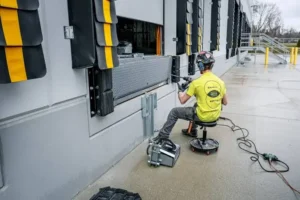
Keeping the area under a loading dock clean is essential for safety, hygiene and smooth operations. Dirt, trash, spilled liquids and dust can collect under docks over time. These materials create slip hazards, attract pests and damage equipment. Using the right tools for cleaning under a loading dock makes the job easier and helps businesses maintain a safe workplace.
In this guide, you will learn why loading dock cleaning matters, which cleaning tools work best and how to choose the right equipment for your needs.
Why Cleaning Under a Loading Dock is Important
Loading docks handle heavy traffic every day. Forklifts, trucks and workers move goods in and out of warehouses. Dust, broken pallets, shrink wrap, cardboard and oil spills often end up beneath the dock.
If workers ignore these materials, they can create serious problems. A clean loading dock reduces accidents, improves efficiency and helps businesses meet workplace safety standards.
Regular cleaning also extends the life of dock equipment. Dirt and moisture can damage moving parts and cause rust over time.
What Collects Under a Loading Dock?
Many different types of waste collect beneath loading docks.
| Common Debris | Possible Risk |
|---|---|
| Dust and dirt | Poor air quality |
| Cardboard pieces | Fire hazard |
| Plastic wrap | Trip hazard |
| Wooden pallet chips | Injury risk |
| Oil and grease | Slippery surface |
| Standing water | Mold and rust |
| Leaves and outdoor debris | Pest attraction |
Removing these materials regularly keeps the workplace cleaner and safer.
Why You Need the Right Cleaning Tools
Cleaning beneath a loading dock is different from cleaning an open warehouse floor. The space is often dark, narrow and difficult to reach.
That is why choosing the proper tools for cleaning under a loading dock saves time and improves cleaning quality. Specialized tools reach hidden spaces without forcing workers into unsafe positions.
Using the wrong equipment may leave dirt behind or even damage the dock structure.
Best Tools for Cleaning Under a Loading Dock
Several cleaning tools perform well under loading docks. Each tool has its own purpose and works best for different types of debris.
Industrial Push Broom
An industrial push broom is one of the simplest cleaning tools available. Its stiff bristles remove dirt, wood chips and loose debris from concrete surfaces.
Workers can quickly sweep large areas before using other cleaning equipment.
Choose a broom with heavy-duty synthetic bristles for longer life.
Long-Handle Dust Pan
A long-handle dust pan reduces bending while collecting dirt. Workers can gather waste without putting extra strain on their backs.
This simple tool also speeds up routine maintenance.
Industrial Wet and Dry Vacuum
An industrial wet and dry vacuum removes both dry debris and liquid spills. It handles sawdust, cardboard particles and water with ease.
Many warehouses rely on this equipment because it works in both indoor and outdoor environments.
The powerful suction also reaches areas that a broom cannot clean.
Floor Scrubber
A floor scrubber cleans stubborn stains from concrete surfaces. It uses rotating brushes and cleaning solution to remove grease and grime.
Many modern scrubbers include powerful vacuum systems that leave floors dry after cleaning.
This makes the area safer for forklift traffic.
Pressure Washer
A pressure washer removes heavy dirt from concrete and steel surfaces.
It sprays high-pressure water that breaks loose dried mud, grease and old stains.
Pressure washing should only be used where proper drainage exists.
Industrial Degreaser
Oil leaks are common around loading docks. Industrial degreasers break down grease before scrubbing.
Using a degreaser improves cleaning results and reduces slipping hazards.
Always choose a product approved for commercial concrete surfaces.
Extendable Cleaning Wand
An extendable cleaning wand reaches narrow spaces beneath loading dock platforms.
Workers stay outside dangerous areas while removing dust and spider webs.
This tool improves safety without sacrificing cleaning quality.
Leaf Blower
Outdoor loading docks often collect leaves, dust and lightweight trash.
A commercial leaf blower clears loose debris quickly before detailed cleaning begins.
Battery-powered models also reduce noise.
Comparison Table of Popular Cleaning Tools
| Cleaning Tool | Best For | Main Benefit |
|---|---|---|
| Push Broom | Dust and dry debris | Fast sweeping |
| Wet/Dry Vacuum | Dust and liquids | Deep cleaning |
| Pressure Washer | Heavy dirt | Removes stubborn stains |
| Floor Scrubber | Grease | Restores concrete |
| Long Dust Pan | Debris collection | Less bending |
| Extendable Wand | Tight spaces | Better reach |
| Leaf Blower | Outdoor debris | Quick cleanup |
| Industrial Degreaser | Oil stains | Breaks down grease |
Choosing the Right Equipment
Every warehouse has different cleaning needs.
A busy shipping center may need industrial machines every day. A small warehouse may only require manual tools and weekly deep cleaning.
The best tools for cleaning under a loading dock depend on several factors.
Consider These Factors
- Size of the loading dock
- Amount of daily traffic
- Indoor or outdoor location
- Type of debris
- Cleaning schedule
- Budget
Choosing equipment based on these needs helps improve cleaning efficiency while reducing labor costs.
Manual Tools vs Powered Equipment
Both manual and powered cleaning tools have advantages.
| Manual Tools | Powered Equipment |
|---|---|
| Lower cost | Faster cleaning |
| Easy storage | Better deep cleaning |
| Simple maintenance | Handles large areas |
| Good for daily cleaning | Saves labor |
Many businesses combine both options for the best results.
Detailed Guide to the Best Tools for Cleaning Under a loading Dock
Keeping the space beneath a loading dock clean requires more than a quick sweep. Dirt builds up in corners, grease sticks to concrete and trash often gets trapped in hard-to-reach areas. The right tools for cleaning under a loading dock help workers remove every type of debris while improving safety and efficiency.
This section explains how each cleaning tool works and when to use it.
Industrial Push Broom
An industrial push broom is one of the most important tools for daily cleaning. It quickly removes dust, pallet wood pieces, paper and loose dirt from concrete floors.
Heavy-duty bristles last longer than household brooms. They also handle rough warehouse floors with ease.
For the best results, sweep from the back of the dock toward the exit. This method keeps dust from spreading into clean areas.
Wet and Dry Vacuum Cleaner
A wet and dry vacuum is one of the most versatile cleaning machines available. It removes both dry debris and liquid spills without changing equipment.
Warehouses often deal with leaking products, rainwater and sawdust. A wet/dry vacuum handles these materials quickly.
Many industrial models include long hoses. These hoses reach under dock levelers and into narrow spaces.
Using a vacuum instead of sweeping also reduces airborne dust.
Floor Scrubber
Concrete floors under loading docks often become stained with grease, tire marks and dirt. A floor scrubber uses rotating brushes to clean these surfaces.
Most commercial scrubbers spray cleaning solution before scrubbing the floor. They then vacuum the dirty water, leaving the surface almost dry.
This process reduces slip hazards and keeps the loading dock looking professional.
Large facilities usually choose ride-on scrubbers, while smaller warehouses prefer walk-behind models.
Pressure Washer
Pressure washers remove heavy dirt that ordinary cleaning tools cannot handle.
High-pressure water loosens dried mud, grease, mold and old stains. This cleaning method works especially well for outdoor loading docks.
However, workers should avoid spraying electrical equipment directly.
Always allow the area to dry before forklift traffic resumes.
Industrial Degreaser
Oil leaks happen often around trucks and forklifts. These spills create dangerous working conditions.
Industrial degreasers break down oil before scrubbing or pressure washing.
Apply the cleaner according to the manufacturer’s directions. Allow it to sit for several minutes before brushing the area.
Never allow grease to build up for long periods because it increases slipping risks.
Extendable Cleaning Tools
Many areas under loading docks are difficult to reach safely.
Extendable cleaning tools solve this problem without requiring workers to crawl beneath the dock.
Common extendable tools include:
- Long-handle brushes
- Adjustable dusters
- Cleaning wands
- Flexible vacuum attachments
These tools improve worker safety while increasing cleaning efficiency.
Air Blowers and Leaf Blowers
Outdoor loading docks collect leaves, dirt and lightweight trash every day.
Commercial leaf blowers quickly clear large areas before detailed cleaning begins.
Battery-powered models have become popular because they produce less noise and require less maintenance than gas-powered units.
Magnetic Sweepers
Metal shavings, screws, nails and broken hardware can hide beneath loading docks.
A magnetic sweeper collects these objects before they damage forklift tires or injure workers.
This tool is especially useful in manufacturing plants and shipping facilities.
Dock Brush Systems
Some warehouses install fixed dock brush systems.
These brushes remove dirt from trailers and loading areas during daily operations.
Although they cost more initially, they reduce manual cleaning over time.
Large distribution centers often benefit from this investment.
Personal Protective Equipment (PPE)
Cleaning tools are only part of the job.
Workers should also wear proper protective equipment.
| Safety Equipment | Purpose |
|---|---|
| Safety gloves | Protect hands from sharp debris |
| Safety glasses | Shield eyes from dust |
| Steel-toe boots | Prevent foot injuries |
| Reflective vest | Improve visibility |
| Dust mask | Reduce dust inhalation |
| Hearing protection | Protect ears near loud equipment |
Proper PPE helps prevent workplace injuries during cleaning.
Step-by-Step Cleaning Process
Following a routine cleaning process improves efficiency and ensures nothing gets missed.
Step 1: Inspect the Area
Walk around the loading dock before cleaning.
Look for spills, broken pallets, damaged equipment and standing water.
Step 2: Remove Large Debris
Pick up cardboard, plastic wrap, wooden boards and loose trash first.
This makes sweeping and vacuuming easier.
Step 3: Sweep the Surface
Use an industrial push broom to collect dust and dirt.
Push debris toward one collection point.
Step 4: Vacuum Fine Dust
Use a wet and dry vacuum to remove small particles.
Vacuuming also cleans cracks and corners.
Step 5: Remove Grease
Apply industrial degreaser to oily areas.
Allow the cleaner to work before scrubbing.
Step 6: Scrub the Floor
Use a floor scrubber for stubborn stains.
Clean in overlapping passes for the best results.
Step 7: Pressure Wash if Needed
For outdoor docks, pressure washing removes heavy dirt.
Allow enough drying time before reopening the area.
Step 8: Final Inspection
Check the area carefully.
Make sure no tools, trash or hazards remain.
Maintenance Tips for Cleaning Equipment
Cleaning equipment lasts longer with proper care.
Follow these simple maintenance practices:
- Empty vacuum tanks after every use.
- Wash brushes regularly.
- Replace worn broom heads.
- Inspect electrical cords.
- Lubricate moving parts.
- Store equipment indoors.
- Charge battery-powered tools correctly.
Regular maintenance improves performance and reduces repair costs.
Common Cleaning Mistakes
Many businesses waste time by making simple mistakes.
Avoid these common problems:
- Skipping daily cleaning
- Using household cleaning products
- Ignoring grease spills
- Overlooking hidden corners
- Forgetting equipment maintenance
- Not wearing PPE
- Cleaning without proper lighting
Avoiding these mistakes keeps the loading dock cleaner and safer.
How to Choose the Best Tools for Cleaning Under a Loading Dock
Choosing the right equipment depends on the size of your facility, the amount of daily traffic and the type of debris. Small warehouses may only need basic hand tools, while large distribution centers often require powered machines for faster cleaning.
Investing in quality equipment saves money over time. Durable tools last longer, reduce labor costs and improve workplace safety.
The best tools for cleaning under a loading dock should be easy to use, simple to maintain and built for commercial environments.
Best Practices for Loading Dock Cleaning
A consistent cleaning routine prevents dirt from building up. It also helps workers identify problems before they become expensive repairs.
Follow these best practices to keep your loading dock in excellent condition:
- Clean high-traffic areas every day.
- Remove spills as soon as they happen.
- Inspect the dock before each work shift.
- Keep trash bins close to loading areas.
- Replace damaged pallets immediately.
- Schedule deep cleaning every week.
- Train employees on proper cleaning methods.
A regular schedule keeps operations running smoothly and reduces workplace accidents.
Benefits of Regular Cleaning
Many businesses only clean when the loading dock becomes visibly dirty. This approach often leads to safety issues and higher maintenance costs.
Regular cleaning offers several important benefits.
| Benefit | Why It Matters |
|---|---|
| Improved Safety | Reduces slips, trips and falls |
| Better Productivity | Workers move faster in clean areas |
| Longer Equipment Life | Less dirt causes less wear |
| Healthier Workplace | Reduces dust and allergens |
| Pest Prevention | Removes food scraps and nesting areas |
| Professional Appearance | Creates a better impression for visitors |
Routine cleaning protects both employees and valuable equipment.
Eco-Friendly Cleaning Tips
Many companies now choose environmentally friendly cleaning methods. These practices reduce water waste and limit the use of harsh chemicals.
Simple ways to clean more sustainably include:
- Use biodegradable cleaning products.
- Choose battery-powered cleaning equipment.
- Recycle cardboard and plastic wrap.
- Use microfiber cloths for wiping surfaces.
- Fix oil leaks quickly to prevent contamination.
- Avoid excessive water during pressure washing.
These small changes help protect the environment while maintaining a clean facility.
How Often Should You Clean Under a Loading Dock?
The cleaning schedule depends on warehouse activity.
| Warehouse Activity | Recommended Cleaning |
|---|---|
| Light Traffic | 2–3 times each week |
| Medium Traffic | Daily sweeping and weekly deep cleaning |
| Heavy Traffic | Daily cleaning and frequent inspections |
| Food Distribution | Clean after every shift |
| Manufacturing Plants | Daily with weekly pressure washing |
High-traffic facilities should never allow debris to build up under the dock.
Signs Your Loading Dock Needs Immediate Cleaning
Sometimes the loading dock needs attention before the scheduled cleaning day.
Watch for these warning signs:
- Oil or hydraulic fluid on the floor
- Excessive dust buildup
- Loose pallet wood and nails
- Standing water
- Bad odors
- Insects or rodents
- Overflowing trash
- Blocked drainage areas
Cleaning these issues early prevents larger problems later.
Frequently Asked Question
What are the best tools for cleaning under a loading dock?
The best tools include industrial push brooms, wet and dry vacuums, floor scrubbers, pressure washers, industrial degreasers, extendable brushes, magnetic sweepers and leaf blowers.
How often should a loading dock be cleaned?
Most warehouses should clean daily. Busy facilities may require cleaning after every shift.
What is the safest way to clean under a loading dock?
Wear proper PPE, remove large debris first, clean with suitable equipment and inspect the area after finishing.
Can pressure washers damage loading docks?
Pressure washers are safe when used correctly. Avoid spraying electrical components or using excessive pressure on damaged concrete.
Why should businesses invest in industrial cleaning tools?
Industrial equipment improves cleaning quality, increases worker safety, reduces labor time and lasts much longer than household tools.


