
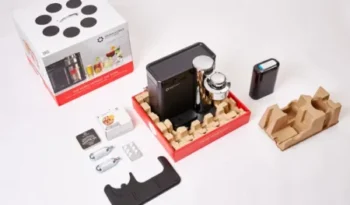
Introduction
Home appliances packaging plays a vital role in protecting products during storage, transportation and delivery. From refrigerators and washing machines to microwaves and vacuum cleaners, every appliances requires strong packaging to prevent damage and maintain product quality. As the global appliance industry continue to grow, manufacturers invest heavily in packaging solutions that improve safety, reduce costs and support environmental sustainability.
Modern consumers expect appliances to arrive in perfect condition. This expectation makes packaging one of the most important parts of the supply chain. Good packaging protects the product from shocks, moisture, dust and handling damage while also providing important information to buyers.
In this guide, you will learn everything about home appliances packaging, including its importance, materials, packaging methods, sustainability trends and future innovations.
What Is Home Appliances Packaging?
Home appliances packaging refers to the materials and methods used to protect household appliances during manufacturing, shipping, warehousing and retail display. The packaging acts as a protective barrier that prevents physical damage and ensures the appliance reaches customers safely.
Manufacturers design packaging according to the size, weight and fragility of each appliance. Large appliances such as refrigerators require heavy-duty packaging, while smaller appliances may use lighter protective materials.
The primary goal of packaging is to maintain product integrity while reducing transportation and storage risks.
Why Home Appliances Packaging Is Important
Packaging serves multiple functions beyond simple protection. It supports logistics, branding, customer satisfaction and sustainability efforts.
When appliances move through warehouses, trucks, ships and delivery networks, they face numerous risks. Packaging minimizes these risks and reduces costly returns.
Key Benefits of Quality Packaging
| Benefit | Description |
|---|---|
| Product Protection | Prevents dents, scratches and breakage |
| Easy Transportation | Simplifies handling and movement |
| Brand Presentation | Improves product appearance and customer trust |
| Storage Efficiency | Maximizes warehouse space utilization |
| Sustainability | Reduces waste through recyclable materials |
| Customer Satisfaction | Ensures products arrive in perfect condition |
Without proper packaging, manufacturers could experience increased product damage, higher costs and dissatisfied customers.
Main Materials Used in Home Appliances Packaging
Several materials are commonly used in appliance packaging. Each material serves a specific purpose and offers unique benefits.
Corrugated Cardboard
Corrugated cardboard remains the most widely used packaging material. It provides strength, durability and cost-effectiveness.
Manufacturers use corrugated boxes because they absorb impacts and protect appliances from external pressure. They also offer excellent printability for branding and instructions.
Expanded Polystyrene (EPS)
EPS foam cushions appliances against shocks and vibrations. It surrounds sensitive parts and prevents movement inside the package.
Although EPS offers excellent protection, many companies now seek eco-friendly alternatives due to environmental concerns.
Molded Pulp
Molded pulp is becoming increasingly popular because it is biodegradable and recyclable. Manufacturers produce it from recycled paper materials.
This material provides strong cushioning while supporting sustainability goals.
Plastic Films
Plastic films protect appliances from moisture, dust and scratches. Shrink wraps and stretch films secure products during shipping.
Many manufacturers now use recyclable plastic films to reduce environmental impact.
Wooden Crates
Heavy appliances sometimes require wooden crates for international transportation. These crates provide maximum protection during long-distance shipping.
Types of Home Appliances Packaging
Different appliances require different packaging solutions. Packaging design depends on product size, weight and fragility.
Primary Packaging
Primary packaging directly surrounds the appliance. It includes protective wraps, foam inserts and surface coverings.
This layer prevents scratches and minor damage during handling.
Secondary Packaging
Secondary packaging contains the primary package and adds extra protection. Corrugated boxes often serve as secondary packaging.
This layer helps during transportation and storage.
Tertiary Packaging
Tertiary packaging supports bulk transportation. Pallets, stretch wraps and shipping containers fall into this category.
Large retailers and distributors rely heavily on tertiary packaging for efficient logistics.
Packaging Requirements for Different Appliances
Different appliances have unique packaging needs. Manufacturers customize packaging to ensure maximum protection.
| Appliance Type | Packaging Requirement |
|---|---|
| Refrigerators | Heavy-duty cardboard and foam protection |
| Washing Machines | Shock-resistant cushioning |
| Dishwashers | Moisture-resistant packaging |
| Microwaves | Lightweight protective inserts |
| Vacuum Cleaners | Compact packaging with internal supports |
| Air Conditioners | Reinforced corner protection |
Proper packaging design reduces damage rates and improves delivery success.
The Packaging Process for Home Appliances
The packaging process involves several carefully planned steps. Manufacturers follow strict procedures to ensure consistency and quality.
First, workers inspect the appliance for defects. They then wrap the product using protective materials.
Next, cushioning components secure vulnerable areas such as corners and control panels. The appliance is placed inside a sturdy box and sealed.
Finally, labels, handling instructions and shipping information are added before transportation.
Sustainable Trends in Home Appliances Packaging
Sustainability has become a major focus within the packaging industry. Consumers increasingly prefer environmentally responsible products and packaging.
Many manufacturers now replace traditional plastics with recyclable or biodegradable alternatives. These changes help reduce waste and improve corporate environmental responsibility.
popular Sustainable Packaging Solutions
- Recyclable corrugated cardboard
- Molded pulp inserts
- Water-based inks
- Biodegradable protective materials
- Reduced packaging volume
- Reusable transport packaging
The shift toward greener home appliances packaging benefits both businesses and the environment.
Challenges in Home Appliances Packaging
Packaging large appliances presents several challenges. Manufacturers must balance protection, cost, sustainability, and efficiency.
Heavy appliances require durable materials, which can increase packaging costs. At the same time, businesses must meet environmental regulations and customer expectations.
Transportation conditions also vary greatly. Products may experience rough handling, temperature changes and long shipping distances.
To address these challenges, companies continuously improve packaging design and testing methods.
Packaging Testing and Quality Assurance
Testing ensures packaging performs effectively under real-world conditions. Manufacturers conduct various tests before releasing products to the market.
Common Packaging Tests
| Test Type | Purpose |
|---|---|
| Drop Test | Measures impact resistance |
| Compression Test | Evaluates stacking strength |
| Vibration Test | Simulates transportation conditions |
| Moisture Test | Assesses water resistance |
| Temperature Test | Checks environmental durability |
These tests help manufacturers identify weaknesses and improve packaging performance.
Smart Packaging Innovations
Technology continues to transform the packaging industry. Smart packaging solutions improve visibility and product tracking throughout the supply chain.
Many companies now integrate QR codes, RFID tags and digital tracking systems into packaging.
These innovations provide valuable information about shipment location, handling conditions and delivery status.
As technology advances, smart home appliances packaging will become increasingly common.
Cost Factors in Home Appliances Packaging
Several factors influence packaging costs. Manufacturers carefully evaluate these elements to maintain profitability.
Material selection significantly impacts total expenses. High-quality protective materials often cost more but reduce product damage.
Package size also affects shipping costs. Compact packaging lowers transportation expenses and improves logistics efficiency.
Companies strive to optimize packaging without sacrificing product protection.
Major Cost Drivers
| Factor | Impact on Cost |
|---|---|
| Material Type | High |
| Package Size | High |
| Labor Costs | Medium |
| Transportation Distance | High |
| Sustainability Features | Medium |
| Packaging Design Complexity | Medium |
Balancing these factors helps companies remain competitive.
Consumer Expectations and Packaging Design
Today’s consumers expect packaging to provide both protection and convenience. They appreciate packaging that is easy to open, recycle and dispose of responsibly.
Packaging also influences purchasing decisions. Attractive designs create positive first impressions and strengthen brand identity.
Manufacturers invest in user-friendly designs that improve the customer experience while maintaining strong protection.
The growing demand for sustainable products further encourages innovation in home appliances packaging.
Future of Home Appliances packaging
The future of the packaging industry focuses on sustainability, automation and digital integration. Companies continue developing advanced materials that offer strong protection while reducing environmental impact.
Artificial intelligence and automation help optimize packaging designs and improve production efficiency. Data-driven packaging solutions allow manufacturers to reduce waste and lower costs.
In the coming years, home appliances packaging will become smarter, lighter and more environmentally friendly. Businesses that embrace these innovations will gain a competitive advantage in the global market.
Best Practices for Effective Home Appliances Packaging
Manufacturers can improve packaging performance by following proven best practices.
First, they should select materials that match the appliance’s size and weight. Second, they should conduct regular testing to verify protection levels.
Third, they should minimize excess packaging while maintaining product safety. Finally, they should prioritize recyclable materials whenever possible.
These strategies help reduce costs, improve sustainability and increase customer satisfaction.
Frequently Asked Question
What is home appliances packaging?
Home appliances packaging refers to the materials and methods used to protect household appliances during storage, transportation and delivery.
Why is home appliances packaging important?
It prevents product damage, improves logistics efficiency, enhances customer satisfaction and supports branding efforts.
What materials are commonly used in appliance packaging?
Common materials include corrugated cardboard, foam inserts, molded pulp, plastic films and wooden crates.
How does sustainable packaging help the environment?
Sustainable packaging reduces waste, supports recycling, lowers carbon emissions and minimizes environmental impact.
What is smart packaging?
Smart packaging uses technologies such as QR codes, RFID tags and tracking systems to improve supply chain visibility and product monitoring.
How do manufacturers test appliance packaging?
Manufacturers conduct drop tests, vibration tests, compression tests, moisture tests and temperature tests to ensure packaging durability.
Conclusion
Home appliances packaging is much more than a simple protective covering. It plays a critical role in product safety, logistics efficiency, branding and environmental responsibility. Effective Packaging protects appliances from damage while ensuring customers receive products in excellent condition.
As sustainability and technology continue to reshape the industry, manufacturers are adopting innovative solutions that improve protection and reduce environmental impact. From recyclable materials to smart tracking systems, modern packaging continues to evolve.
Businesses that invest in advanced home appliances packaging can reduce costs, improve customer satisfaction and strengthen their position in an increasingly competitive market. By understanding packaging materials, processes and future trends, companies can create solutions that meet both consumer expectations and environmental goals.


