
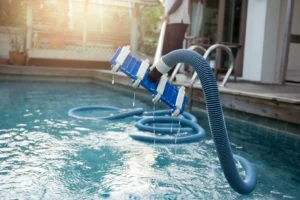
A clean swimming pool is more than a beautiful backyard feature. It also protects your family’s health and extends the life of your pool equipment. Leaves, dirt, insects, algae and small debris can quickly collect in the water. Without regular cleaning, these problems can lead to cloudy water and expensive repairs.
Choosing the best pool cleaning tools makes pool maintenance faster and easier. The right equipment removes dirt before it becomes a serious problem. It also reduces the need for extra chemicals and helps keep the water balanced.
This guide explains everything you need to know about pool cleaning equipment. You will learn which tools work best, how to use them and how to choose the right products for your pool.
Why Pool Cleaning Tools Matter
Every pool collects dirt every day. Wind carries dust and leaves into the water. Swimmers bring sunscreen, body oils and other contaminants. Rain also adds debris and changes water chemistry. Regular cleaning prevents algae growth, improves water quality and protects expensive pool equipment. Good cleaning habits also make swimming more enjoyable because the water stays fresh and clear.
Using the best pool cleaning tools saves time while reducing manual work. Many modern tools are designed to clean large pools with very little effort.
Essential Pool Cleaning Tools Every Pool Owner Needs
Every swimming pool owner should have a basic cleaning kit. These tools work together to remove debris from the surface, walls and floor.
| Pool Cleaning Tool | Main Purpose | Cleaning Frequency |
|---|---|---|
| Pool Skimmer Net | Removes floating debris | Daily |
| Pool Vacuum | Cleans the pool floor | Weekly |
| Pool Brush | Scrubs walls and steps | Weekly |
| Telescopic Pole | Connects cleaning tools | Every cleaning session |
| Water Test Kit | Checks water balance | 2–3 times weekly |
| Leaf Rake | Removes large leaves | As needed |
Each tool serves a different purpose. Together, they keep the pool in excellent condition throughout the swimming season.
Pool Skimmer Nets
A pool skimmer net is often the first tool you use. It removes leaves, bugs, grass and floating dirt before they sink to the bottom. Fine mesh skimmer nets catch even small particles. Deep bag skimmers work well for larger debris after storms or windy days.
Removing debris early reduces strain on your filtration system. It also helps prevent stains on the pool floor.
Pool Vacuums
Pool vacuums clean dirt that settles on the bottom. They also remove sand, algae and small debris that skimmers cannot reach.
There are three main types of pool vacuums.
| Vacuum Type | Best For | Advantages |
|---|---|---|
| Manual Vacuum | Small pools | Affordable and effective |
| Suction-Side Vacuum | Medium pools | Uses existing filtration |
| Robotic Vacuum | Large pools | Automatic and energy efficient |
Many homeowners consider robotic cleaners among the best pool cleaning tools because they work without much supervision. They clean the floor, walls and even the waterline while saving time.
Pool Brushes
Brushing the pool removes algae and dirt that stick to surfaces. Even pools with automatic cleaners need regular brushing.
Different pool surfaces require different brush materials.
| Pool Surface | Recommended Brush |
|---|---|
| Concrete | Stainless steel bristles |
| Plaster | Combination brush |
| Vinyl | Soft nylon brush |
| Fiberglass | Nylon brush |
Always choose a brush that matches your pool surface. Using the wrong brush may cause scratches or damage.
Telescopic Poles
A telescopic pole connects with skimmers, brushes and vacuum heads. It allows you to reach every part of the pool without entering the water. Quality aluminum poles are lightweight but durable. Adjustable poles also make cleaning easier for pools of different sizes.
A strong telescopic pole is one of the best pool cleaning tools because it works with several accessories.
Robotic Pool Cleaners
Technology has changed pool maintenance. Robotic cleaners now perform many cleaning tasks automatically. These machines move across the pool floor and walls using smart navigation systems. They collect dirt in built-in filter baskets instead of relying on the pool’s filtration system. Some advanced robotic cleaners even connect to smartphone apps. Users can schedule cleaning cycles and monitor progress remotely.
Although robotic cleaners cost more upfront, they often reduce long-term maintenance expenses.
Pool Water Test Kits
Cleaning alone cannot keep a pool healthy. Water chemistry must also remain balanced.
A quality water testing kit measures important factors.
| Water Parameter | Ideal Range |
|---|---|
| pH | 7.2 – 7.6 |
| Free Chlorine | 1 – 3 ppm |
| Total Alkalinity | 80 – 120 ppm |
| Calcium Hardness | 200 – 400 ppm |
Balanced water prevents algae, protects equipment and keeps swimmers comfortable.
Leaf Rakes
Pools surrounded by trees collect many leaves during certain seasons. A heavy-duty leaf rake removes large amounts of debris quickly. Unlike standard skimmer nets, leaf rakes have deeper bags that hold more leaves before emptying.
This simple tool reduces the risk of clogged filters and improves water circulation.
Automatic Pool Skimmers
Automatic skimmers float on the water and collect debris continuously. They move with the water current and trap floating leaves before they sink. These devices reduce daily manual cleaning and help maintain clear water between major cleaning sessions.
Many pool owners now include automatic skimmers among the best pool cleaning tools because they save valuable time.
Choosing the Right Pool Cleaning Tools
Every pool has different cleaning needs. The right equipment depends on several factors.
| Factor | Recommended Choice |
|---|---|
| Small Above-Ground Pool | Manual vacuum and skimmer |
| Large In-Ground Pool | Robotic cleaner |
| Many Trees Nearby | Leaf rake and skimmer |
| Vinyl Pool | Soft nylon brush |
| Concrete Pool | Stainless steel brush |
Before buying equipment, think about your pool size, surrounding environment and maintenance budget.
Manual vs Automatic Cleaning Tools
Many homeowners wonder whether manual or automatic tools are better.
| Feature | Manual Tools | Automatic Tools |
|---|---|---|
| Initial Cost | Low | Higher |
| Cleaning Time | Longer | Shorter |
| Physical Effort | More | Less |
| Maintenance | Simple | Moderate |
| Long-Term Convenience | Moderate | Excellent |
Manual tools remain important for detailed cleaning. Automatic cleaners provide convenience and save hours every month.
Many people combine both methods for the best results.
Common Pool Cleaning Mistakes
Even good equipment cannot help if cleaning habits are poor.
Avoid these common mistakes:
- Skipping regular brushing
- Waiting too long to remove leaves
- Ignoring water chemistry
- Using the wrong brush type
- Cleaning only the pool floor
- Forgetting to clean filters
Consistent maintenance always works better than occasional deep cleaning.
Seasonal Pool Cleaning Tips
Each season brings different cleaning challenges. During spring, remove winter debris and inspect equipment before opening the pool. Summer requires frequent skimming because swimming activity increases. Autumn brings falling leaves, making leaf rakes especially useful. Winter maintenance depends on your climate, but covered pools still need periodic inspection.
Following seasonal routines helps the best pool cleaning tools perform more effectively throughout the year.
How Often Should You Clean Your Pool?
A regular cleaning schedule keeps maintenance simple.
| Cleaning Task | Frequency |
|---|---|
| Skim Surface | Daily |
| Brush Walls | Weekly |
| Vacuum Pool | Weekly |
| Empty Skimmer Basket | Weekly |
| Clean Filter | Monthly |
| Test Water | Two or three times weekly |
Following this schedule reduces algae growth and improves water clarity.
Tips to Extend the Life of Pool Cleaning Equipment
Good maintenance keeps cleaning tools working for many years. Rinse tools with fresh water after every use. Store them in a dry place away from direct sunlight. Clean robotic filters after every cleaning cycle. Replace worn brushes and damaged vacuum hoses before they affect cleaning performance.
Well-maintained equipment performs better and saves money over time.
Signs It’s Time to Upgrade Your Pool Cleaning Tools
Old equipment becomes less effective with age. You may need new tools if you notice reduced cleaning performance, cracked brushes, leaking vacuum hoses, broken poles or robotic cleaners that stop frequently. Modern equipment often works faster while using less energy.
Replacing outdated equipment with the best pool cleaning tools improves cleaning efficiency and reduces maintenance time.
Frequently Asked Questions
What are the best pool cleaning tools for beginners?
Beginners should start with a pool skimmer, vacuum, brush, telescopic pole and water testing kit. These basic tools handle most cleaning tasks effectively.
How often should I vacuum my swimming pool?
Most pools should be vacuumed once each week. Pools with heavy use or many nearby trees may need more frequent vacuuming.
Are robotic pool cleaners worth the money?
Yes. Robotic cleaners save time, reduce manual labor and clean pool floors and walls very efficiently. Many homeowners consider them one of the best pool cleaning tools available today.
Can I clean a pool without a vacuum?
You can remove surface debris with a skimmer and brush the walls manually. However, a vacuum removes dirt from the bottom much more effectively.
Which pool brush should I buy?
Choose a nylon brush for vinyl or fiberglass pools. Stainless steel brushes work best for concrete pools. Always match the brush to your pool surface.
Conclusion
Keeping a swimming pool clean does not have to be difficult. The right equipment makes every cleaning session easier while protecting your investment.
From skimmer nets and pool brushes to robotic cleaners and water testing kits, each tool plays an important role. Together, they remove debris, prevent algae and maintain healthy water.
Investing in the best pool cleaning tools helps you spend less time cleaning and more time enjoying your swimming pool. Regular maintenance, balanced water chemistry and quality equipment create a pool that stays clean throughout the year.


