
Introduction
Good oral hygiene plays a major role in overall health. Clean teeth and healthy gums help prevent cavities, bad breath and serious dental problems. Many people brush their teeth daily, but brushing alone cannot remove every bit of plaque and food debris.
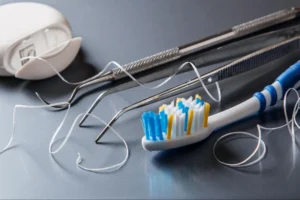
This is where dental tools for cleaning become important. These tools help remove plaque, bacteria and trapped food from places that a toothbrush cannot easily reach. Dentists use professional tools, and many safe options are also available for use at home.
In this guide, you will learn about the various types of dental cleaning tools, their benefits, how they function and how to use them effectively for optimal oral health.
What Are Dental Tools for Cleaning?
Dental tools for cleaning are instruments designed to remove plaque, tartar, food particles and bacteria from teeth and gums. Some tools are used by dental professionals, while others are suitable for home care.
These tools help maintain oral hygiene and reduce the risk of tooth decay and gum disease. They also improve the effectiveness of regular brushing and flossing.
When used properly, dental cleaning tools support healthier teeth and fresher breath.
Why Dental Cleaning Tools Are Important
Dental plaque begins forming on teeth shortly after eating. If plaque remains on the teeth, it can harden into tartar. Once tartar develops, brushing alone cannot remove it.
The table below shows the benefits of proper dental cleaning.
| Benefit | Description |
|---|---|
| Plaque Removal | Helps prevent cavities |
| Fresher Breath | Removes bacteria causing odor |
| Healthier Gums | Reduces gum inflammation |
| Better Appearance | Keeps teeth cleaner and brighter |
| Lower Dental Costs | Prevents expensive treatments |
Regular use of dental cleaning tools can significantly improve oral health and reduce future dental problems.
Types of Dental Tools for Cleaning
Several tools are available for professional and personal oral care. Each serves a specific purpose.
Dental Scalers
Dental scalers remove hardened plaque and tartar from tooth surfaces. Dentists commonly use these instruments during professional cleanings. Scalers feature pointed or curved tips that reach areas near the gum line. They effectively remove deposits that brushing cannot eliminate.
Dental scalers are among the most commonly used dental tools for cleaning in professional dental clinics.
Dental Mirrors
These mirrors allow dentists to see hard-to-reach areas inside the mouth. They help identify plaque buildup, cavities and gum issues. These mirrors provide better visibility during examinations and cleaning procedures. They also improve precision when using other dental instruments.
Curettes
Curettes are specialized tools designed for cleaning below the gum line. Dentists use them to remove tartar and bacterial deposits from periodontal pockets. Their rounded tips reduce the risk of damaging gum tissue. They are essential for treating gum disease and maintaining gum health.
Ultrasonic Scalers
Ultrasonic scalers use high-frequency vibrations to break apart tartar. Water sprays cool the tip and flush away debris during the cleaning process. These devices make professional cleanings faster and more comfortable. Many dental practices rely on ultrasonic technology for deep cleaning procedures.
Common Home Dental Cleaning Tools
Several cleaning tools are safe for daily use at home. These products support regular oral hygiene routines.
Dental Floss
Dental floss removes food particles and plaque from between teeth. It reaches spaces where toothbrush bristles cannot clean effectively.
Daily flossing helps reduce cavities and gum disease. Dentists recommend flossing at least once every day.
Interdental Brushes
Interdental brushes clean wider spaces between teeth. They are especially useful for people with braces, bridges or dental implants.
These small brushes remove debris and plaque efficiently. They provide excellent cleaning in hard-to-reach areas.
Water Flossers
Water flossers use a stream of pressurized water to clean between teeth and along the gum line. They are easy to use and comfortable for many people.
People with braces often prefer water flossers because they can clean around wires and brackets more effectively.
Tongue Scrapers
Tongue scrapers remove bacteria and debris from the tongue surface. This simple tool helps reduce bad breath and improves oral freshness.
Regular tongue cleaning supports overall oral hygiene and enhances the effectiveness of brushing.
Professional vs Home Dental Cleaning Tools
Both professional and home cleaning tools play important roles in oral care. Understanding the difference helps you choose the right approach.
| Feature | Professional Tools | Home Tools |
|---|---|---|
| Usage | Dental clinics | Personal use |
| Plaque Removal | Advanced | Moderate |
| Tartar Removal | Highly effective | Limited |
| Cost | Higher | Affordable |
| Training Required | Yes | Minimal |
Combining professional cleanings with proper home care provides the best oral health results.
How Dental Tools for Cleaning Help Prevent Oral Diseases
Poor oral hygiene allows bacteria to multiply inside the mouth. These bacteria contribute to cavities, gingivitis and periodontal disease. Using dental tools for cleaning regularly helps remove harmful plaque before it causes serious damage. Clean teeth and gums create a healthier oral environment.
Research consistently shows that proper oral hygiene lowers the risk of tooth loss and gum infections.
Prevention of Cavities
Cavities develop when bacteria produce acids that weaken tooth enamel. Cleaning tools remove bacterial buildup and reduce acid production. This process helps protect teeth from decay and damage. Strong oral hygiene habits are essential for cavity prevention.
Prevention of Gum Disease
Gum disease begins when plaque accumulates near the gum line. Inflamed gums may bleed, swell or become painful.
Regular cleaning removes plaque before it irritates the gums. Healthy gums provide strong support for teeth and reduce the risk of tooth loss.
Choosing the Right Dental Cleaning Tool
The best tool depends on your oral health needs. Some people require specialized products because of braces, implants, or gum conditions.
The table below can help guide your decision.
| Dental Need | Recommended Tool |
|---|---|
| Daily Cleaning | Toothbrush and floss |
| Braces | Water flosser |
| Wide Gaps Between Teeth | Interdental brush |
| Bad Breath | Tongue scraper |
| Heavy Tartar | Professional scaling |
Choosing suitable dental tools for cleaning improves cleaning effectiveness and supports long-term oral health.
Safety Tips When Using Dental Cleaning Tools
Using dental tools incorrectly can damage teeth or gums. Safe usage is important for maintaining oral health.
Follow these simple recommendations:
- Use gentle pressure during cleaning.
- Avoid sharp instruments without professional training.
- Replace worn cleaning tools regularly.
- Follow manufacturer instructions carefully.
- Visit a dentist if you experience pain or bleeding.
Professional guidance is always recommended before using advanced dental instruments at home.
Signs You Need Professional Dental Cleaning
Even with excellent home care, professional cleanings remain necessary. Dentists can remove tartar that home tools cannot eliminate.
You may need professional cleaning if you experience:
- Persistent bad breath
- Bleeding gums
- Visible tartar buildup
- Tooth sensitivity
- Gum recession
Regular dental checkups help identify problems before they become serious.
Modern Technology in Dental Cleaning
Dental technology continues to improve cleaning procedures. New equipment allows dentists to provide more comfortable and effective treatments.
Laser cleaning systems, digital imaging and advanced ultrasonic devices have transformed modern dentistry. These innovations improve precision and patient comfort.
Many clinics now use technology that reduces cleaning time while improving treatment outcomes.
Maintaining Results After Dental Cleaning
Professional cleanings provide excellent results, but maintaining those results requires daily care.
Brush your teeth twice daily using fluoride toothpaste. Floss every day and clean your tongue regularly. Stay hydrated and limit sugary foods.
Consistent oral hygiene helps extend the benefits of professional treatments and keeps your smile healthy.
Common Mistakes to Avoid
Many people unintentionally make mistakes that reduce cleaning effectiveness.
| Mistake | Potential Result |
|---|---|
| Skipping Flossing | Plaque buildup |
| Brushing Too Hard | Gum damage |
| Infrequent Dental Visits | Tartar accumulation |
| Using Damaged Tools | Poor cleaning results |
| Ignoring Gum Bleeding | Worsening gum disease |
Avoiding these habits helps protect your teeth and gums over the long term.
The Future of Dental Cleaning Tools
The future of oral care looks promising. Manufacturers continue developing smarter and more effective products.
Electric toothbrushes now include pressure sensors and artificial intelligence features. New cleaning devices provide personalized recommendations based on individual oral health needs.
As technology advances, dental tools for cleaning will become even more efficient and user-friendly.
Frequently Asked Question
What are dental tools for cleaning used for?
Dental tools for cleaning help remove plaque, tartar, food particles and bacteria from teeth and gums. They improve oral hygiene and reduce the risk of dental disease.
Can I use dental scalers at home?
Basic cleaning tools are suitable for home use, but professional scalers require proper training. Incorrect use may damage teeth or gums.
How often should I use dental floss?
Dentists recommend flossing at least once every day. Daily flossing removes plaque and food particles from between teeth.
Are water flossers better than traditional floss?
Water flossers are effective for many people, especially those with braces or dental implants. However, both methods can support good oral hygiene.
How often should I get professional dental cleaning?
Most dentists recommend professional cleanings every six months. Some patients may require more frequent visits based on their oral health.
Conclusion
Maintaining good oral hygiene requires more than brushing alone. A variety of dental tools for cleaning help remove plaque, tartar and bacteria from difficult areas of the mouth.
From floss and interdental brushes to professional scalers and ultrasonic devices, each tool serves an important purpose. Regular use of these tools supports healthier teeth, stronger gums and fresher breath.
Combining home care with routine dental visits provides the best protection against oral disease. Investing in the right dental tools for cleaning today can help preserve your smile for years to come.


