
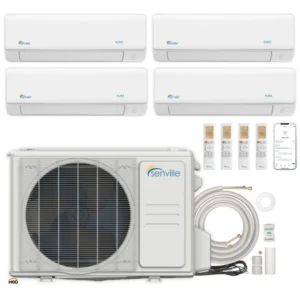
When homeowners want better temperature control in multiple rooms, a 4 zone mini split system often becomes the best solution. These systems provide efficient heating and cooling without the need for bulky ductwork. They allow users to control temperatures independently in different areas of the home while reducing energy waste.
As energy efficiency becomes more important, many homeowners are replacing traditional HVAC systems with mini split technology. A 4 zone mini split can deliver comfort, flexibility and lower utility costs while improving indoor air quality.
In this guide, you will learn everything about 4-zone mini split systems, including how they work, benefits, installation requirements, costs, maintenance and how to choose the right system for your home.
What Is a 4 Zone Mini split System?
A 4 zone mini split system consists of one outdoor condenser connected to four indoor air handlers. Each indoor unit serves a separate room or zone and operates independently.
Unlike central HVAC systems, mini splits do not require air ducts. Refrigerant lines connect the indoor and outdoor units, allowing conditioned air to be delivered directly into each room.
This design gives homeowners greater control over temperature settings while minimizing energy loss commonly associated with ductwork.
Basic Components of a 4 Zone Mini Split
| Component | Function |
|---|---|
| Outdoor Condenser | Houses the compressor and condenser coil |
| Indoor Air Handlers | Deliver heated or cooled air into rooms |
| Refrigerant Lines | Transfer refrigerant between units |
| Remote Controller | Controls temperature settings |
| Drain Line | Removes condensation from indoor units |
These components work together to create an efficient and customizable climate control system.
How Does a 4 Zone Mini Split Work?
A mini split system transfers heat rather than generating it. During cooling mode, it removes heat from indoor spaces and releases it outside. During heating mode, the process reverses.
Each indoor unit communicates with the outdoor condenser independently. This setup allows one room to remain cooler while another stays warmer.
For example, a family member can keep a bedroom at 68°F while another room remains at 74°F. This level of customization makes a 4 zone mini split ideal for families with different comfort preferences.
Benefits of Installing a 4 Zone Mini Split
Superior Energy Efficiency
One of the biggest advantages of mini split systems is energy efficiency. Traditional ducted systems can lose up to 30% of conditioned air through duct leakage.
Since mini splits eliminate ducts, more energy reaches the intended space. Many systems also use inverter technology that adjusts compressor speed based on demand.
This feature reduces electricity consumption and lowers monthly utility bills.
Individual Room Control
Each zone operates independently. Users can adjust temperatures in each room without affecting other areas of the house.
This flexibility prevents unnecessary heating or cooling and increases overall comfort.
Easy installation
Installing a mini split system requires only a small opening for refrigerant lines and electrical connections.
The installation process is often faster and less disruptive than installing ductwork throughout a home.
Improved Indoor Air Quality
Dust, allergens and contaminants often accumulate inside duct systems.
Because mini splits operate without ducts, they can help maintain cleaner indoor air. Many units also include advanced filtration systems that capture airborne particles.
Quiet Operation
Modern mini split systems operate quietly compared to traditional HVAC systems.
Indoor units often produce less noise than a typical conversation, making them suitable for bedrooms, offices and study areas.
Best Applications for a 4 Zone Mini Split
A 4 zone mini split is ideal for various residential and commercial applications.
Homes Without Existing Ductwork
Older homes often lack duct systems. Installing new ductwork can be expensive and invasive.
Mini splits provide a practical alternative while delivering excellent comfort.
Home Additions
Room additions frequently create heating and cooling challenges.
Instead of extending existing ductwork, homeowners can use a mini split system to condition the new space efficiently.
Multi-Level Homes
Temperature differences between floors can create discomfort.
A four-zone system allows homeowners to manage each level independent.
Small Offices
Businesses often need customized temperature settings for different work areas.
Mini splits provide flexible climate control while reducing energy costs.
Understanding BTU Requirements
Choosing the correct system size is essential for performance and efficiency.
BTU stands for British Thermal Unit and measures heating and cooling capacity.
Typical Room BTU Requirements
| Room Size | Recommended BTUs |
|---|---|
| 150-250 sq ft | 6,000 BTU |
| 250-400 sq ft | 9,000 BTU |
| 400-550 sq ft | 12,000 BTU |
| 550-800 sq ft | 18,000 BTU |
| 800-1,200 sq ft | 24,000 BTU |
A professional HVAC contractor should perform a load calculation before selecting a system.
Energy Savings With a 4 Zone Mini Split
Energy savings are among the primary reasons homeowners choose mini split systems.
The ability to condition only occupied rooms significantly reduces wasted energy.
Comparison of HVAC Systems
| Feature | Central HVAC | Mini Split |
|---|---|---|
| Duct Loss | High | None |
| Zone Control | Limited | Excellent |
| Installation Cost | Higher | Moderate |
| Energy Efficiency | Good | Excellent |
| Maintenance | Moderate | Low |
Because each zone operates independently, homeowners often experience noticeable reductions in energy bills.
Installation Process
Proper installation is critical for system performance and longevity.
The process generally begins with selecting indoor unit locations.
Technicians then mount indoor air handlers and install the outdoor condenser.
Refrigerant lines, electrical wiring and condensate drains are connected between units.
Finally, the system undergoes testing to verify proper operation and efficiency.
Average Installation Timeline
| Installation Stage | Estimated Time |
|---|---|
| Site Evaluation | 1 Day |
| Equipment Setup | 1 Day |
| Line Installation | 1 Day |
| Testing & Startup | Several Hours |
Most residential installations are completed within two to three days.
Cost of a 4 Zone Mini Split
The total cost varies based on system size, brand, installation complexity and labor rates.
Average Cost Breakdown
| Expense | Estimated Cost |
|---|---|
| Equipment | $4,000 – $9,000 |
| Installation | $2,000 – $6,000 |
| Electrical Work | $500 – $2,000 |
| Total Project Cost | $6,500 – $17,000 |
While upfront costs may seem high, energy savings often offset the investment over time.
Popular Mini Split Brands
Several manufacturers produce high-quality mini split systems.
Leading Brands
| Brand | Known For |
|---|---|
| Mitsubishi Electric | Premium efficiency and reliability |
| Daikin | Advanced inverter technology |
| Fujitsu | Quiet performance |
| LG | Smart home integration |
| Gree | Affordable solutions |
Selecting a reputable brand helps ensure long-term reliability and warranty support.
Maintenance Tips
Routine maintenance keeps your system operating efficiently.
Clean indoor air filters every few weeks during heavy use.
Inspect outdoor units regularly for debris and obstructions.
Schedule professional maintenance annually to check refrigerant levels and electrical components.
Essential Maintenance Tasks
- Clean air filters regularly.
- Keep outdoor units clean.
- inspect refrigerant lines.
- Check drainage systems.
- Schedule yearly inspections.
Proper maintenance can extend equipment lifespan and improve efficiency.
Common Problems and Solutions
Like any HVAC system, mini splits can occasionally experience issues.
Common Issues
| Problem | Possible Cause |
|---|---|
| Weak Airflow | Dirty filters |
| Water Leakage | Blocked drain line |
| Poor Cooling | Refrigerant issue |
| Unusual Noise | Loose components |
| System Won’t Start | Electrical problem |
Addressing problems early can prevent costly repairs.
Is a 4 Zone Mini Split Worth It?
For many homeowners, the answer is yes.
The combination of energy efficiency, flexible temperature control and easy installation makes these systems highly attractive.
A 4 zone mini split works especially well for homes without ducts, renovations, room additions, and households with varying comfort preferences.
Although installation costs can be significant, long-term energy savings often justify the investment.
Frequently Asked Question
How many rooms can a 4 zone mini split cool?
A 4-zone system can heat or cool four separate rooms or areas independently using four indoor air handlers connected to one outdoor unit.
Is a 4 zone mini split energy efficient?
Yes. Mini split systems are among the most energy-efficient HVAC options because they eliminate duct losses and use inverter technology.
How long does a mini split system last?
Most quality mini split systems last between 15 and 20 years when properly maintained.
Can a 4 zone mini split heat a house in winter?
Yes. Many modern systems provide efficient heating even in very cold climates.
Do mini splits require professional installation?
Professional installation is highly recommended because proper refrigerant charging, electrical work and system sizing are essential for performance.
Conclusion
A 4 zone mini split offers one of the most efficient and versatile ways to heat and cool multiple rooms. By providing independent climate control for four separate zones, these systems improve comfort while reducing energy waste.
Modern inverter technology, quiet operation and ductless installation make them a popular choice for homeowners seeking reliable year-round comfort. Whether you are upgrading an older home, adding new living space, or replacing an aging HVAC system, a 4 zone mini split can deliver outstanding performance and long-term value.
Investing in the right system, sizing it correctly and maintaining it regularly will help ensure years of dependable operation and energy savings.


