
Introduction
Industrial cleaning has undergone significant changes in recent years. Companies now seek faster, safer and more eco-friendly methods to remove rust, paint, grease and other contaminants from various surfaces. One technology that stands out is the laser cleaning tool.
Unlike traditional cleaning methods, laser cleaning uses concentrated light energy to remove unwanted materials without damaging the base surface. This advanced process reduces waste, improves precision and lowers maintenance costs. Industries such as automotive, aerospace, manufacturing, electronics and restoration increasingly rely on laser cleaning systems.
In this guide, you will learn how laser cleaning works, its benefits, applications, costs and why many businesses consider it the future of industrial surface preparation.
What Is a Laser Cleaning Tool?
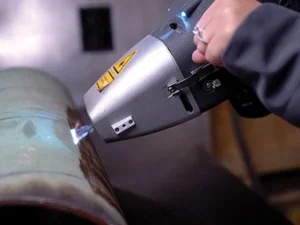
A laser cleaning tool is a machine that uses high-energy laser beams to remove contaminants from surfaces. The laser targets rust, paint, oil, oxide layers, dirt or coatings and vaporizes them without affecting the underlying material. The process is known as laser ablation. During cleaning, the contaminant absorbs the laser energy and breaks away from the surface. Since the base material reflects or absorbs less energy, it remains largely untouched.
This technology provides a non-contact cleaning solution. Operators do not need chemicals, abrasives or excessive manual labor to achieve excellent results.
How Does Laser Cleaning Work?
Laser cleaning works by directing a focused beam of light onto a contaminated surface. The unwanted material absorbs the laser energy faster than the base material.
The laser energy creates rapid heating. This heating causes the contamination layer to evaporate, melt or separate from the surface. The cleaning process happens in a controlled manner and removes only the targeted material.
Laser Cleaning Process Overview
| Step | Description |
|---|---|
| Surface Analysis | Identify contamination type |
| Laser Adjustment | Set power and frequency |
| Laser Exposure | Beam targets contaminants |
| Material Removal | Rust, paint, or dirt separates |
| Inspection | Check cleaning quality |
The precision of laser technology allows operators to clean complex shapes and delicate components with excellent accuracy.
Types of Laser Cleaning Tools
Manufacturers offer different laser cleaning systems based on cleaning requirements and industrial applications.
Portable Laser Cleaning Machines
Portable units provide flexibility and mobility. Technicians often use these machines for maintenance work, field repairs and equipment restoration.
Handheld Laser Cleaning Systems
Handheld devices allow operators to clean specific areas with high precision. These systems work well for automotive repairs and industrial maintenance.
Automated Laser Cleaning Machines
Automated systems integrate into production lines. They deliver consistent results and improve operational efficiency.
Robotic Laser Cleaning Solutions
Robotic systems combine automation with laser technology. They handle large-scale cleaning tasks and reduce human intervention.
Key Components of a Laser Cleaning Tool
Understanding the major components helps users evaluate machine quality and performance.
| Component | Function |
|---|---|
| Laser Source | Generates laser beam |
| Control System | Manages machine settings |
| Scanning Head | Directs laser movement |
| Cooling System | Prevents overheating |
| Power Supply | Provides energy |
| Safety System | Protects operators |
Each component plays an important role in ensuring effective and reliable cleaning performance.
Major Benefits of Laser Cleaning Technology
Many industries prefer laser cleaning because it offers advantages that traditional methods cannot match.
Environmentally Friendly Cleaning
Traditional cleaning often requires chemicals that produce hazardous waste. Laser cleaning eliminates the need for chemical solvents and reduces environmental impact.
Non-Contact Surface Treatment
The laser never physically touches the surface. This feature minimizes wear and protects sensitive materials from damage.
High Precision
Laser cleaning removes contaminants from targeted areas only. Operators can clean specific spots without affecting surrounding surfaces.
Lower Maintenance Costs
Businesses spend less on cleaning materials, disposal fees, and replacement parts. The technology reduces long-term operational expenses.
Improved Workplace Safety
Workers avoid exposure to harmful chemicals and abrasive materials. This creates a safer working environment.
Minimal Waste Generation
The process generates very little waste compared to sandblasting or chemical cleaning.
Laser Cleaning vs Traditional Cleaning Methods
Many businesses compare laser cleaning with conventional surface cleaning techniques before investing in equipment.
| Feature | Laser Cleaning | Traditional Cleaning Methods |
|---|---|---|
| Surface Damage | Very Low | Moderate to Low |
| Environmental Impact | Low | High |
| Waste Production | Minimal | Significant |
| Precision | Excellent | Moderate |
| Operating Cost | Lower Long Term | Moderate to High |
| Chemical Usage | None | Often Required |
The comparison clearly shows why industries increasingly adopt laser cleaning solutions.
Industrial Applications of Laser Cleaning Tools
The versatility of laser technology allows companies to use it across many industries.
Automotive Industry
Automotive manufacturers use laser cleaning to remove rust, paint, grease and coatings from vehicle components. The technology improves surface preparation before welding and painting.
Aerospace Industry
Aircraft components require precise cleaning. Laser systems remove contaminants without affecting delicate materials.
Manufacturing Facilities
Factories use laser cleaning equipment to maintain molds, tools and production machinery. Clean equipment improves production quality.
Electronics Industry
Electronic manufacturers clean sensitive components without causing mechanical damage.
Shipbuilding Industry
Shipyards remove corrosion, marine deposits and paint from metal surfaces using laser technology.
Historical Restoration
Restoration experts clean statues, monuments and historical artifacts while preserving original materials.
Rust Removal with Laser Cleaning
Rust removal remains one of the most popular applications of a laser cleaning tool. Traditional rust removal methods often damage the underlying metal.
Laser technology removes oxidation layers with exceptional precision. Operators can restore metal surfaces without grinding or sanding.
Industries use laser rust removal for:
- Machinery maintenance
- Metal fabrication
- Automotive restoration
- Pipeline cleaning
- Ship maintenance
The process saves time and preserves valuable components.
Paint Removal Using Laser Technology
Paint removal can be difficult with traditional methods. Chemical stripping creates waste and introduces environmental concerns. A laser cleaning tool removes paint layers efficiently without harming the underlying surface. This capability makes it ideal for automotive, aerospace and manufacturing applications.
Businesses often use laser paint removal for surface preparation before repainting or coating processes.
Mold Cleaning and Surface Preparation
Manufacturing molds accumulate residue over time. Dirty molds reduce product quality and increase production defects.
Laser cleaning removes buildup from molds without disassembly. This reduces downtime and improves manufacturing efficiency.
Many injection molding companies rely on laser technology to maintain production quality.
Cost of a Laser Cleaning Tool
The price of laser cleaning equipment depends on power, features and intended applications.
Average Price Range
| Machine Type | Estimated Cost |
|---|---|
| Entry-Level Portable Unit | $5,000 – $15,000 |
| Mid-Range Industrial System | $15,000 – $50,000 |
| High-Power Industrial Machine | $50,000 – $200,000+ |
Although the initial investment may seem high, many businesses recover costs through improved productivity and reduced maintenance expenses.
Factors to Consider Before Buying
Selecting the right laser cleaning tool requires careful evaluation of operational needs.
Power Output
Higher power levels clean faster but increase equipment costs.
Material Compatibility
Different materials require different laser settings. Verify compatibility before purchasing.
Portability Requirements
Field service operations often benefit from lightweight portable systems.
Safety Features
Choose equipment with advanced safety controls and protective systems.
Manufacturer Support
Reliable technical support helps reduce downtime and maintenance issues.
Safety Guidelines for Laser Cleaning
Laser systems require proper safety measures during operation.
Important Safety Practices
- Wear approved laser safety glasses.
- Follow manufacturer instructions.
- Restrict access to cleaning areas.
- Inspect equipment regularly
- Train operators properly
Safety should always remain a top priority when operating laser equipment.
Future of Laser Cleaning Technology
The future of laser cleaning looks promising. Manufacturers continue to improve efficiency, portability and automation capabilities.
Artificial intelligence and robotic integration are expected to enhance cleaning precision further. More industries are discovering the economic and environmental benefits of laser-based cleaning systems.
As technology advances, laser cleaning equipment will likely become more affordable and accessible for small and medium-sized businesses.
Why Businesses Are Switching to Laser Cleaning
Companies face growing pressure to improve efficiency while reducing environmental impact. Laser cleaning addresses both challenges effectively.
A modern laser cleaning tool delivers precision, consistency and long-term savings. Businesses reduce waste, improve product quality and minimize downtime.
Organizations that invest in advanced cleaning technology often gain a competitive advantage in their industries.
Common Challenges of Laser Cleaning
While laser cleaning offers many advantages, users should understand its limitations.
Higher Initial Investment
The upfront cost remains higher than some traditional cleaning methods.
Training Requirements
Operators need proper training to achieve optimal results.
Power Limitations
Very thick coatings may require multiple cleaning passes.
Despite these challenges, many companies find the long-term benefits outweigh the initial costs.
Maintenance Tips for Laser Cleaning Equipment
Proper maintenance helps maximize machine lifespan and performance.
| Maintenance Task | Recommended Frequency |
|---|---|
| Lens Inspection | Daily |
| System Cleaning | Weekly |
| Cooling Check | Weekly |
| Software Updates | Monthly |
| Full Inspection | Quarterly |
Frequently Asked Questions
What is a laser cleaning tool used for?
A laser cleaning tool removes rust, paint, grease, coatings, dirt and oxidation from surfaces using concentrated laser energy.
Does laser cleaning damage metal surfaces?
No. When operators use proper settings, laser cleaning removes contaminants without damaging the underlying metal.
Is laser cleaning environmentally friendly?
Yes. Laser cleaning eliminates the need for chemical solvents and produces very little waste.
Which industries use laser cleaning technology?
Automotive, aerospace, manufacturing, electronics, shipbuilding and restoration industries commonly use laser cleaning systems.
How much does a laser cleaning machine cost?
Prices typically range from $5,000 to more than $200,000, depending on power, size and features.
Can laser cleaning remove paint?
Yes. Laser technology effectively removes paint layers while preserving the base material.
Conclusion
Laser cleaning technology has transformed the way industries remove rust, paint, grease and contaminants. A laser cleaning tool provides a fast, precise and environmentally friendly alternative to traditional cleaning methods.
Its ability to clean surfaces without physical contact makes it valuable across automotive, aerospace, manufacturing, electronics and restoration industries. Businesses benefit from reduced waste, improved efficiency and lower long-term operating costs.
As innovation continues, the demand for the laser cleaning tool will likely grow even further. Companies that adopt this technology today can improve productivity, enhance safety and support sustainable industrial practices for years to come.


