
Maintaining good oral hygiene plays a major role in overall health. Healthy teeth and gums help people eat comfortably, speak clearly and smile with confidence. While regular dental visits remain important, many people now rely on the best teeth cleaning tools for home use to improve their daily oral care routine.
Modern dental technology has made home oral care easier and more effective than ever. From electric toothbrushes to water flossers, several tools help remove plaque, reduce bacteria and keep teeth looking clean. Understanding these helps consumers make informed choices and improve their dental health.
Why Home Teeth Cleaning Matters
Daily brushing and flossing remove food particles and plaque before they cause problems. When plaque remains on teeth for a long period, it hardens into tartar. Tartar can lead to cavities, gum disease and bad breath.
The best teeth cleaning tools for home use help people maintain cleaner teeth between professional dental appointments. These tools support healthy gums and reduce the risk of common oral health issues.
According to dental professionals, proper home care significantly lowers the chances of developing serious dental problems. Consistent use of quality cleaning tools helps protect teeth throughout life.
Understanding Plaque and Tartar
Plaque is a sticky film of bacteria that forms on teeth every day. It develops after eating and drinking, especially when sugary foods remain on tooth surfaces.
Tartar forms when plaque hardens and becomes difficult to remove with a regular toothbrush. Professional dental cleaning is often required to remove tartar completely. However, effective home tools can help prevent plaque from becoming tartar.
The table below shows the difference between plaque and tartar.
| Feature | Plaque | Tartar |
|---|---|---|
| Texture | Soft and sticky | Hard and rough |
| Color | Clear or pale yellow | Yellow or brown |
| Removal | Brushing and flossing | Professional cleaning |
| Formation Time | Forms daily on teeth | Develops after plaque hardens |
| Health Impact | Can cause cavities and tooth decay | Can lead to gum disease and other oral health problems |
Electric Toothbrushes – The Most Popular Cleaning Tool
Electric toothbrushes remain among the best teeth cleaning tools for home use because they provide consistent brushing power. Many models use rotating or sonic technology to remove plaque more effectively than manual brushes. These toothbrushes help users maintain proper brushing techniques. Built-in timers ensure brushing lasts the recommended two minutes.
Many dentists recommend electric toothbrushes for people who struggle with brushing technique. They are especially useful for children, older adults and individuals with limited hand movement.
Benefits of Electric Toothbrushes
Electric toothbrushes can remove more plaque than manual brushes. They also encourage better brushing habits through timers and pressure sensors.
Some advanced models are compatible with smartphone applications. These apps help users track brushing habits and improve oral hygiene routines.
Water Flossers for Deep Cleaning
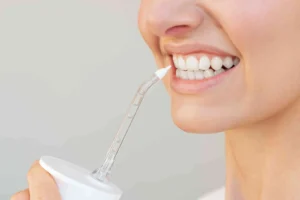
Water flossers have gained popularity in recent years. They use a stream of water to remove food particles and bacteria from between teeth and below the gumline.
People with braces, dental implants, or sensitive gums often find water flossers easier to use than traditional floss. Many dental experts consider them among the best teeth cleaning tools for home use because of their effectiveness and convenience.
How Water Flossers Work
A water flosser directs pressurized water between teeth and around gum pockets. This process helps remove debris that regular brushing may miss.
Regular use can reduce gum inflammation and improve overall gum health. Many users report fresher breath after adding a water flosser to their routine.
Dental Floss Remains Essential
Despite modern innovations, traditional dental floss remains a key part of oral care. Floss reaches tight spaces where toothbrush bristles cannot reach.
Daily flossing helps remove plaque buildup between teeth. It also reduces the risk of gum disease and cavities.
The table below compares traditional floss and water flossers.
| Feature | Traditional Floss | Water Flosser |
|---|---|---|
| Cost | Low | Moderate to High |
| Ease of Use | Moderate | Easy |
| Cleaning Between Teeth | Excellent | Excellent |
| Suitable for Braces | Moderate | Excellent |
| Travel Friendly | Excellent | Good |
Interdental Brushes for Small Spaces
Interdental brushes are tiny brushes designed to clean between teeth. They work particularly well for people with larger gaps between teeth.
These brushes remove plaque and food particles effectively. Dentists often recommend them for individuals with bridges, implants or orthodontic appliances.
Many users include interdental brushes among the best teeth cleaning tools for home use because they provide targeted cleaning in hard-to-reach areas.
Tongue Scrapers for Fresh Breath
Many people focus only on their teeth and forget about the tongue. However, bacteria often collect on the tongue’s surface and contribute to bad breath.
Tongue scrapers help remove bacteria, food debris and dead cells. Using a tongue scraper daily can significantly improve breath freshness.
A clean tongue also enhances taste perception and supports better oral hygiene. This simple tool can become an important addition to any dental routine.
Dental Mirrors for Better Visibility
Dental mirrors allow users to inspect difficult areas inside the mouth. They help identify plaque buildup, food particles and possible oral health concerns.
While dental mirrors do not clean teeth directly, they improve awareness of oral hygiene. People can monitor areas that require additional attention during brushing and flossing.
When combined with other tools, dental mirrors contribute to a more effective home care routine.
Teeth Whitening Tools
Many consumers seek brighter smiles in addition to cleaner teeth. Several home whitening tools are available, including whitening strips, LED kits and whitening pens.
While whitening products improve appearance, they do not replace brushing and flossing. Proper cleaning remains the foundation of oral health.
People should choose whitening products carefully and follow manufacturer instructions to avoid tooth sensitivity.
Oral Irrigators and Advanced Cleaning Devices
Modern oral irrigators combine advanced technology with convenience. These devices use water pressure to clean difficult areas and massage gums.
Some advanced models include adjustable pressure settings and specialized tips. These features allow users to customize their cleaning experience.
For individuals with gum issues, oral irrigators may become some of the best teeth cleaning tools for home use available today.
Choosing the Right Toothpaste
Even the best cleaning tools require a quality toothpaste. Fluoride toothpaste helps strengthen enamel and prevent cavities. Some toothpaste products target specific concerns such as sensitivity, whitening, or gum health. Selecting the right formula supports better oral care outcomes.
Dentists generally recommend using fluoride toothpaste twice daily for maximum protection.
Essential Features to Consider Before Buying
Selecting dental tools requires careful evaluation. Consumers should focus on effectiveness, ease of use, durability and cost.
The table below highlights important buying factors.
| Factor | Why It Matters |
|---|---|
| Cleaning Efficiency | Removes plaque effectively and helps maintain better oral hygiene. |
| Ease of Use | Encourages regular use and supports a consistent dental care routine. |
| Durability | Provides long-term value and reduces replacement costs over time. |
| Maintenance | Simplifies the cleaning process and keeps the tool functioning properly. |
| Price | Fits personal budget while delivering the desired cleaning performance. |
| Professional Recommendations | Supports proven results based on dental expert advice and research. |
Creating an Effective Home Oral Care Routine
A successful oral hygiene routine combines multiple cleaning methods. Brushing alone cannot remove all plaque and food debris. An effective routine typically includes brushing twice daily, flossing once daily, cleaning the tongue and using a water flosser when needed. Consistency produces the best results.
People who follow comprehensive oral care routines often experience healthier gums and fewer dental problems.
Common Mistakes People Make
Many individuals brush too hard. Aggressive brushing can damage enamel and irritate gums over time.
Others skip flossing because it seems inconvenient. However, neglecting flossing allows plaque to accumulate between teeth.
Using worn toothbrush heads also reduces cleaning effectiveness. Dental professionals recommend replacing brush heads every three months.
Benefits of Using the Best Teeth Cleaning Tools for Home Use
The best teeth cleaning tools for home use offer several important advantages. They improve plaque removal, support healthier gums and help maintain fresher breath.
These tools also encourage better oral hygiene habits. Many modern devices provide feedback that helps users improve their cleaning techniques.
Consistent use can reduce the need for extensive dental treatments in the future. Better prevention often leads to lower dental costs over time.
Are Home Cleaning Tools Enough?
Home cleaning tools provide excellent support for oral health, but they do not replace professional dental care. Dentists can detect problems that are not visible during home inspections.
Professional cleanings remove hardened tartar and help maintain healthy gums. Regular checkups remain essential for long-term oral health.
The combination of professional care and the best teeth cleaning tools for home use delivers the strongest protection against dental disease.
Frequently Asked Questions
What are the best teeth cleaning tools for home use?
The most effective options include electric toothbrushes, water flossers, dental floss, interdental brushes and tongue scrapers. These tools work together to maintain oral health.
Are electric toothbrushes better than manual toothbrushes?
Yes. Studies show that electric toothbrushes often remove more plaque and improve gum health compared to manual brushes.
How often should I use a water flosser?
Most dentists recommend using a water flosser once daily, preferably after brushing.
Can home cleaning tools remove tartar?
Home tools help prevent tartar formation but cannot remove hardened tartar completely. Professional dental cleaning is required.
How often should I replace my toothbrush head?
Replace toothbrush heads every three months or sooner if the bristles become worn.
Conclusion
Maintaining a healthy smile requires daily effort and the right tools. Today’s dental products make it easier than ever to remove plaque, improve gum health and prevent oral problems.
The best teeth cleaning tools for home use include electric toothbrushes, water flossers, interdental brushes, tongue scrapers and quality dental floss. Each tool serves a specific purpose and contributes to better oral hygiene.
By choosing effective products and following a consistent routine, individuals can enjoy cleaner teeth, fresher breath and healthier gums for years to come.


